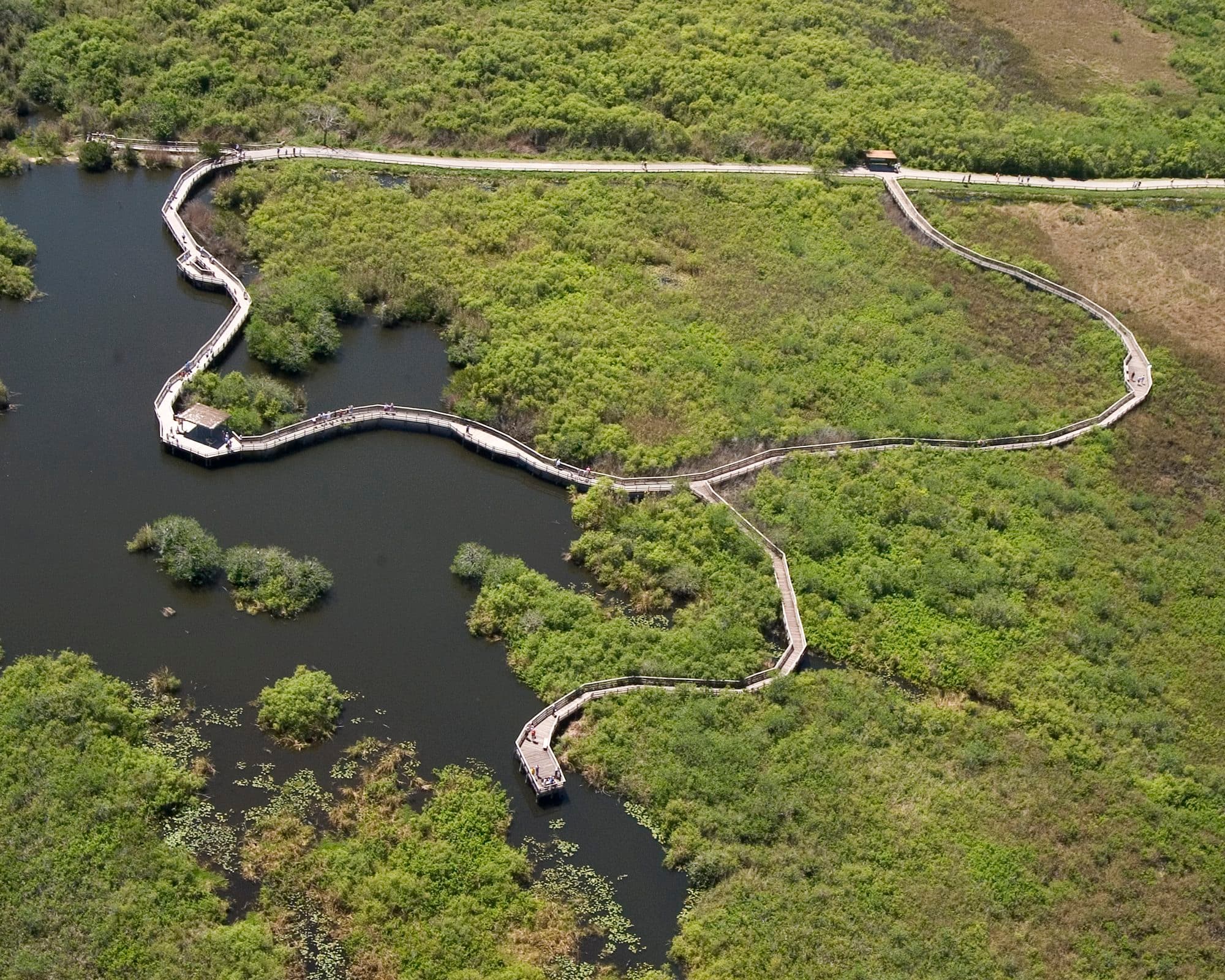
The Anhinga Trail from the air, in Everglades National Park: ponds and grassy marshes of Taylor Slough.
Photo: evergladesnps, Public domain, via Wikimedia Commons
Springs and marshes
Springs and marshes of Florida
Florida, United States
Crystal-clear spring rivers and grassy marshes on limestone: a subtropical biotope home to the Everglades pygmy sunfish, the flagfish and the Florida crayfish.
The habitat
Florida rests on a thick bed of limestone, that of the Floridan aquifer. Rainwater seeps into it, dissolves the rock and flows out through hundreds of springs (the USGS counted 320) feeding clear rivers such as the Ichetucknee. Further south, the Everglades are a vast plain of grassy marshes, sloughs and ponds.
The climate is subtropical: marsh water cools down in winter, while spring water keeps an almost constant temperature, around 21 °C in the north of the state and 24 °C in central Florida.
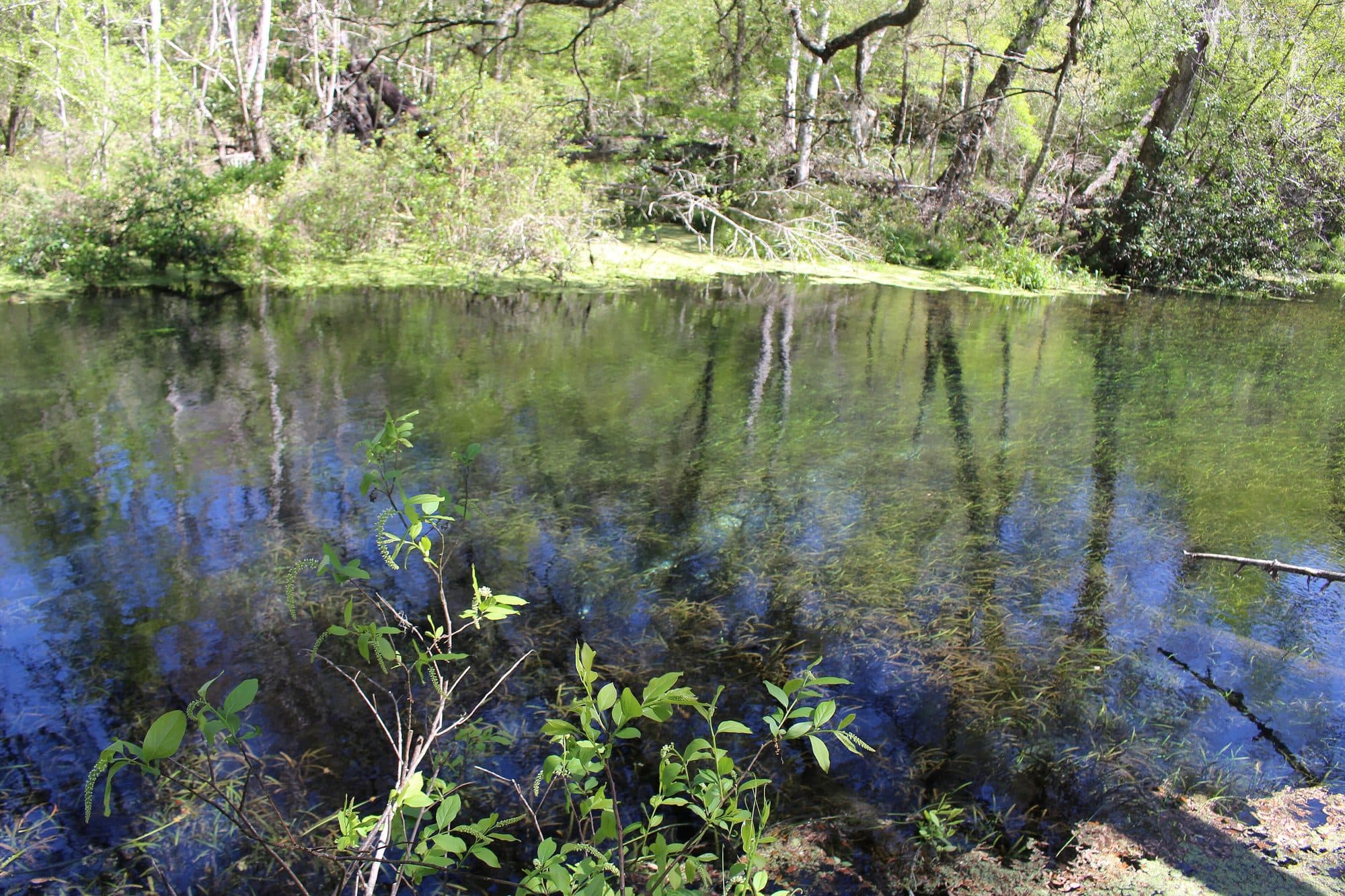
The spring-fed Ichetucknee River: crystal-clear water and submerged plant beds.
Photo: Michael Rivera, CC BY-SA 4.0, via Wikimedia Commons
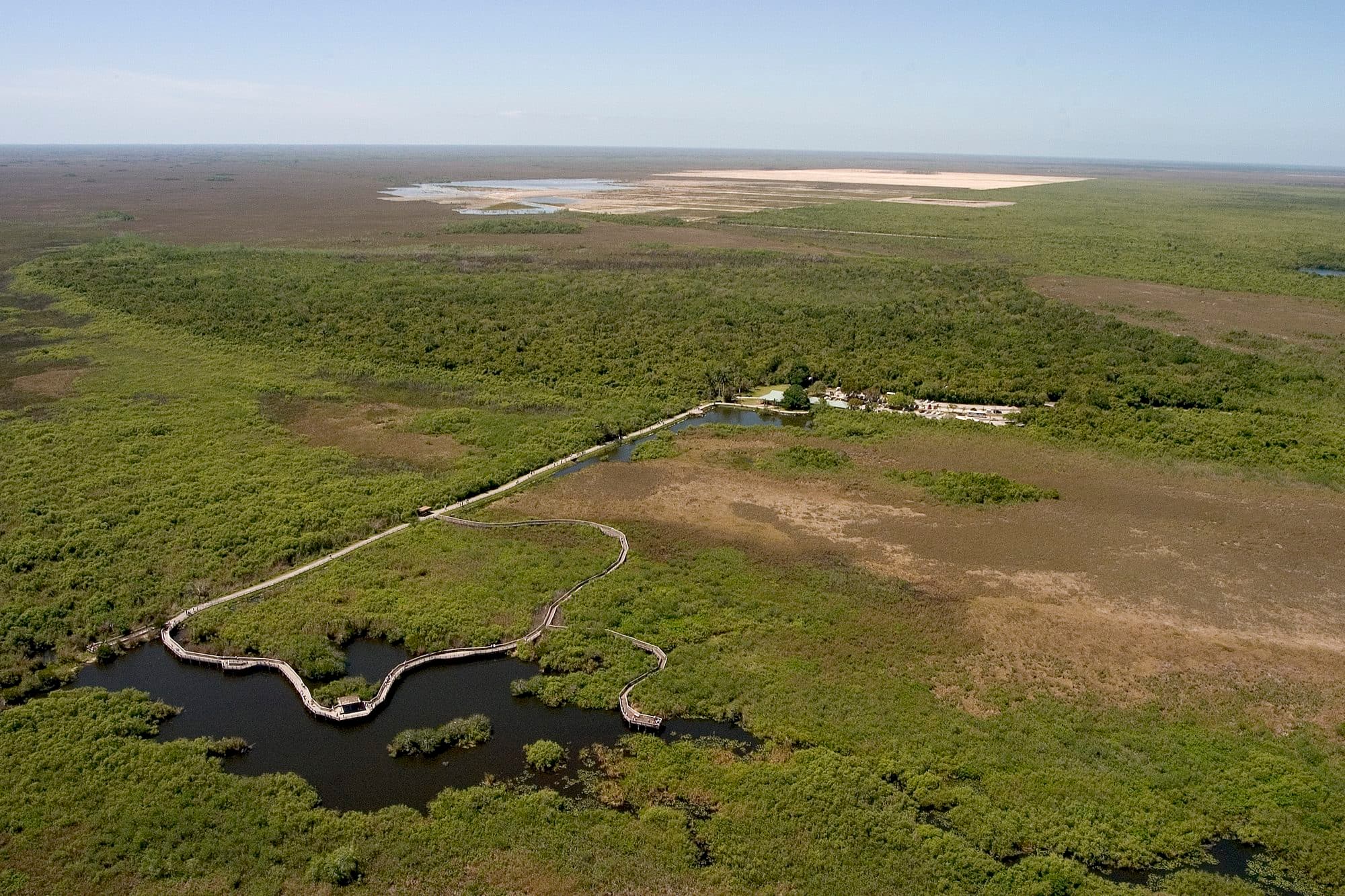
The Everglades from the air: marshland as far as the eye can see.
Photo: evergladesnps, Public domain, via Wikimedia Commons
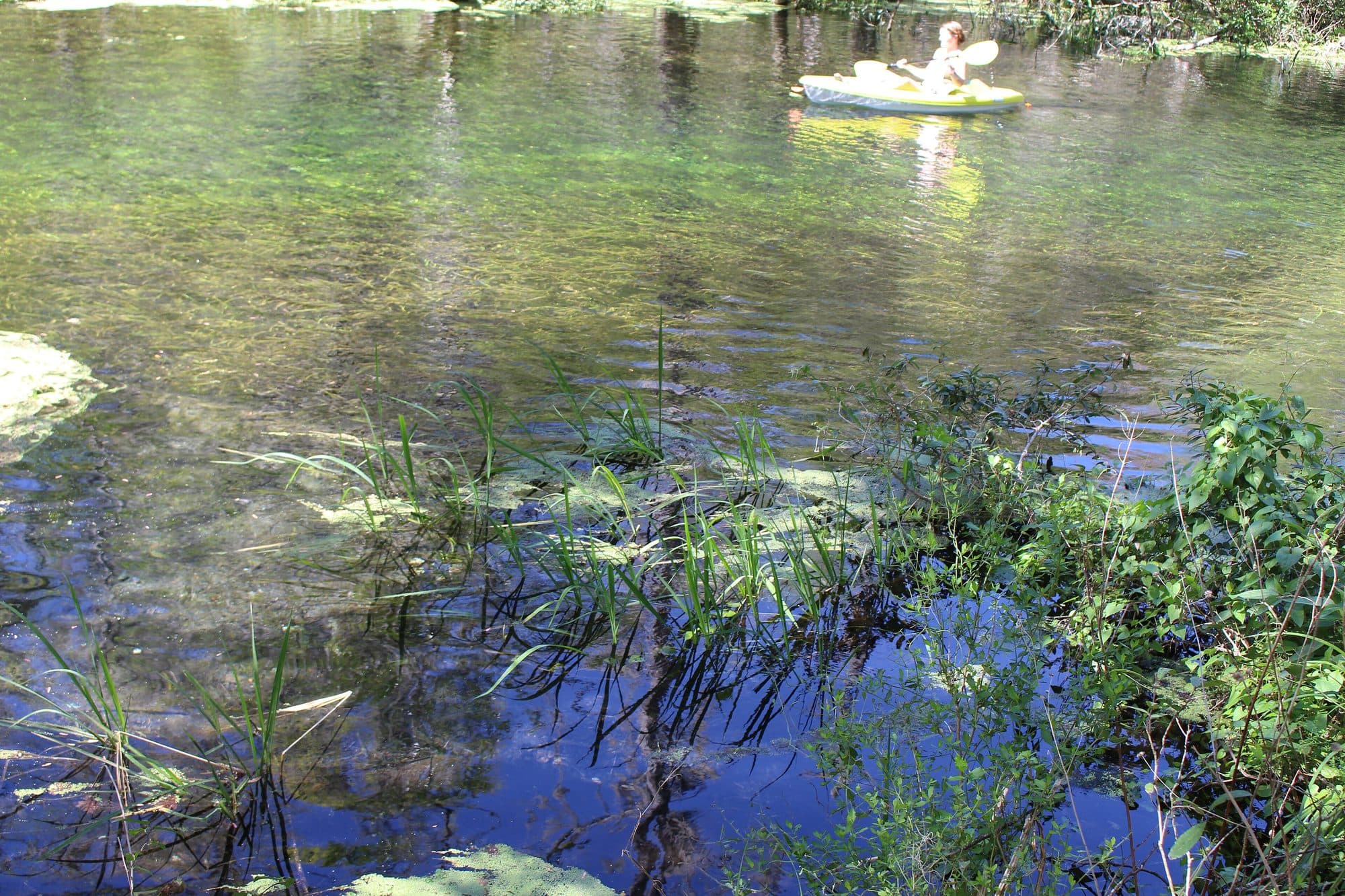
Plant beds and floating leaves in the Ichetucknee River.
Photo: Michael Rivera, CC BY-SA 4.0, via Wikimedia Commons
The water
Coming from limestone, the water is hard and alkaline. In the Ichetucknee River, 25 USGS samples taken between 1966 and 1993 give a pH of 6.5 to 8.4 (median 7.8) and a hardness of 140 to 160 mg/L as CaCO₃, that is 7.8 to 9 °dGH; conductivity was 268 to 278 µS/cm in autumn 2026.
It is the opposite of the Rio Negro: mineral-rich, clear, calcium-rich water in which plants grow well in full light.
Who lives here
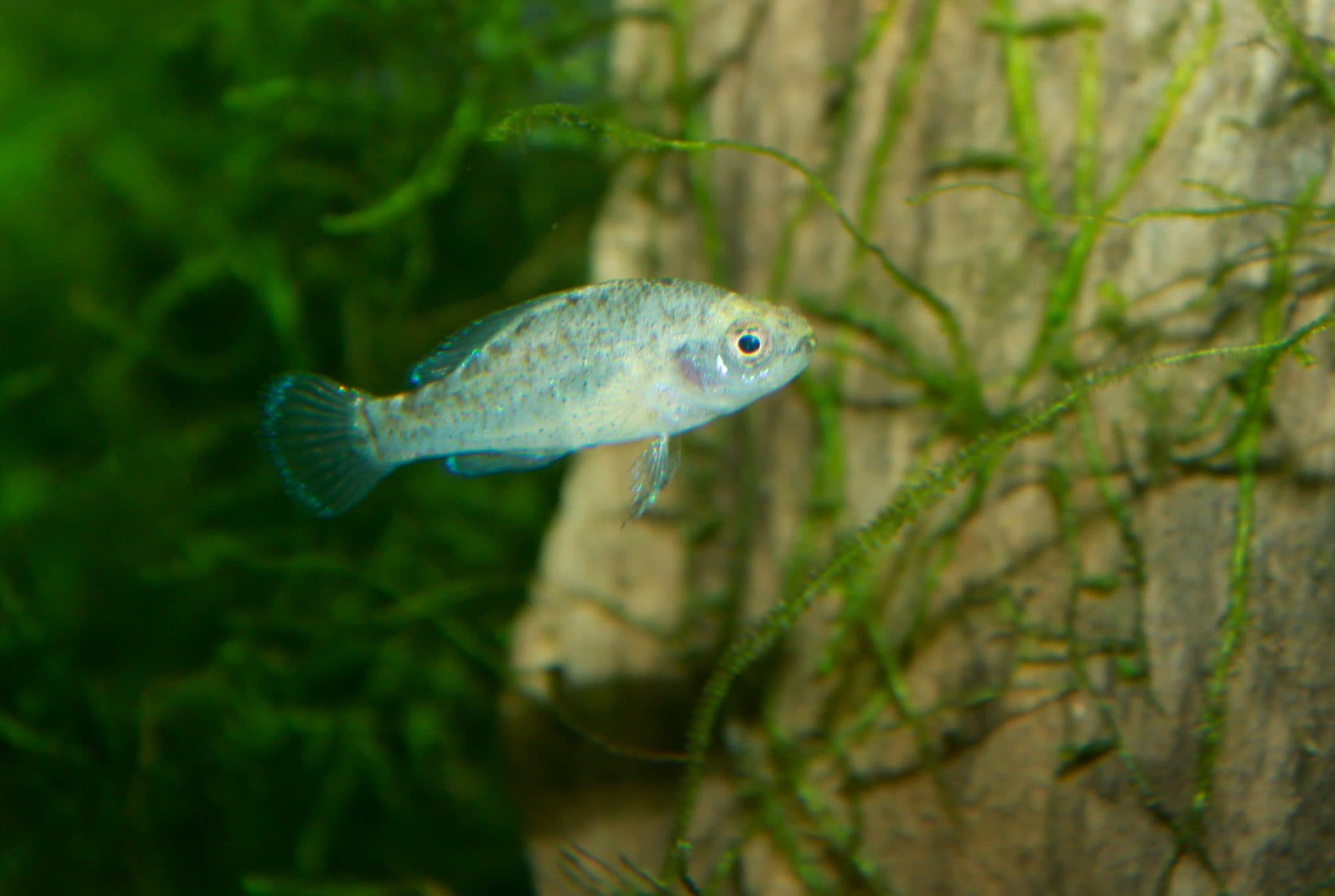
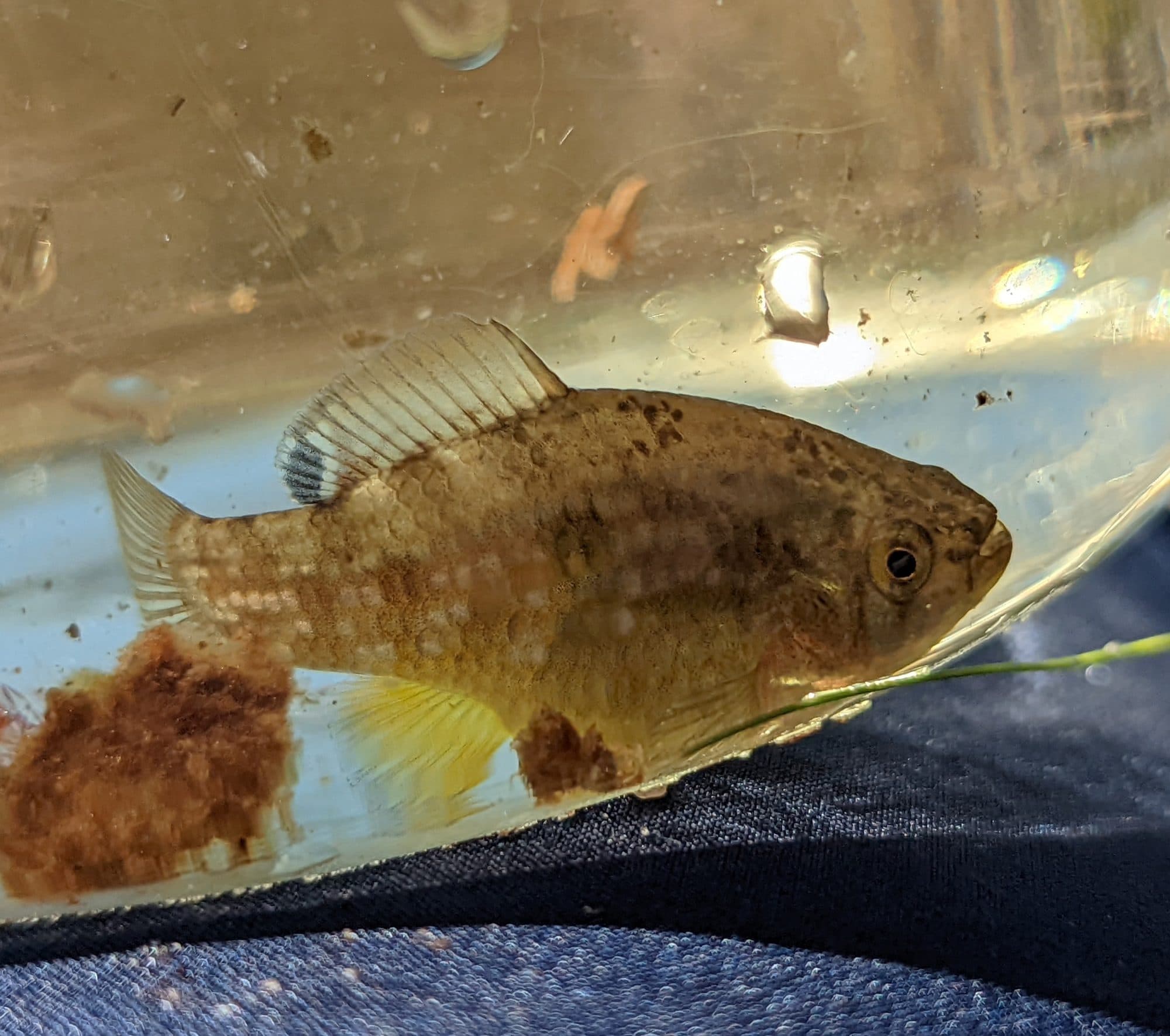
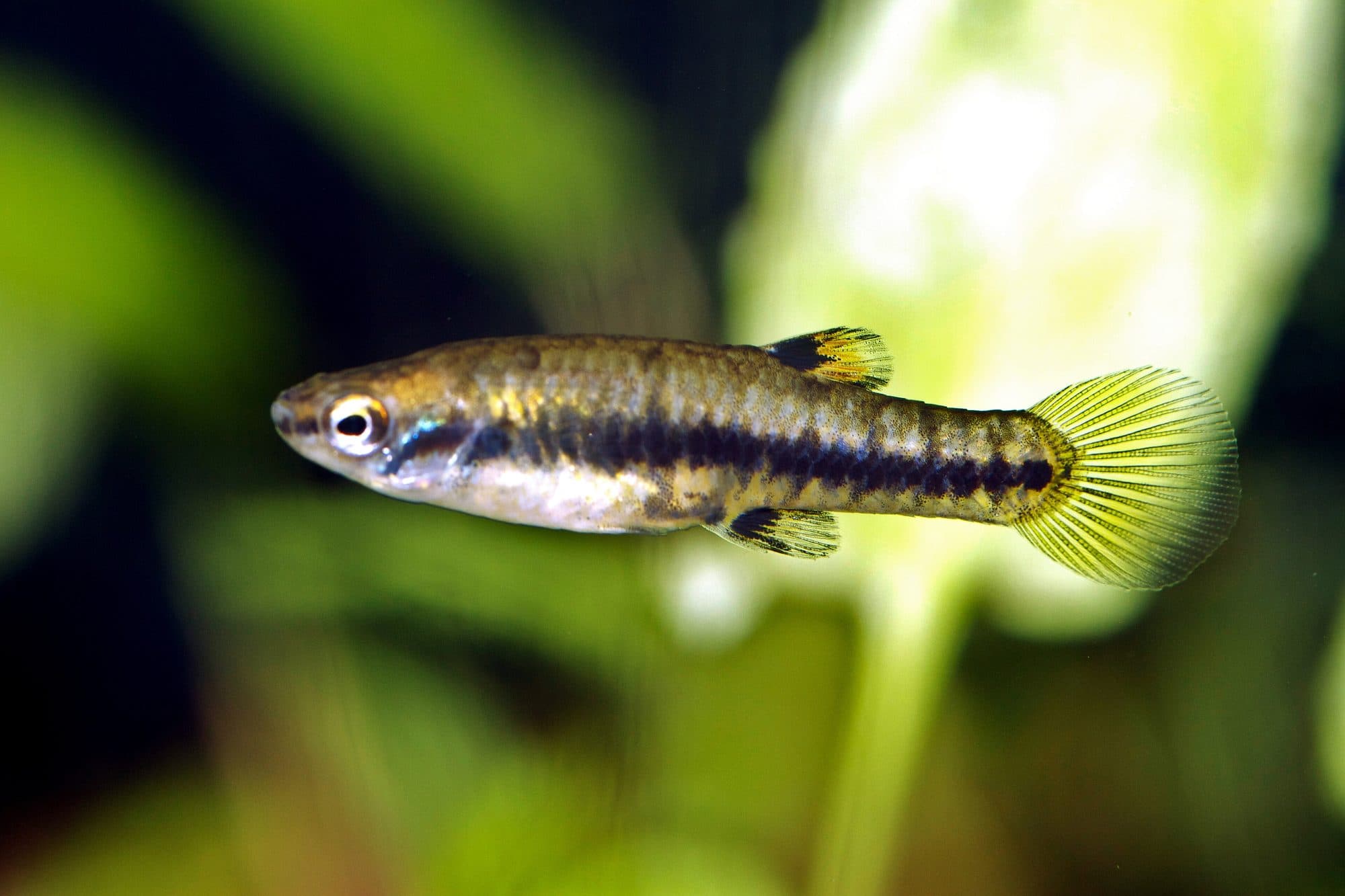
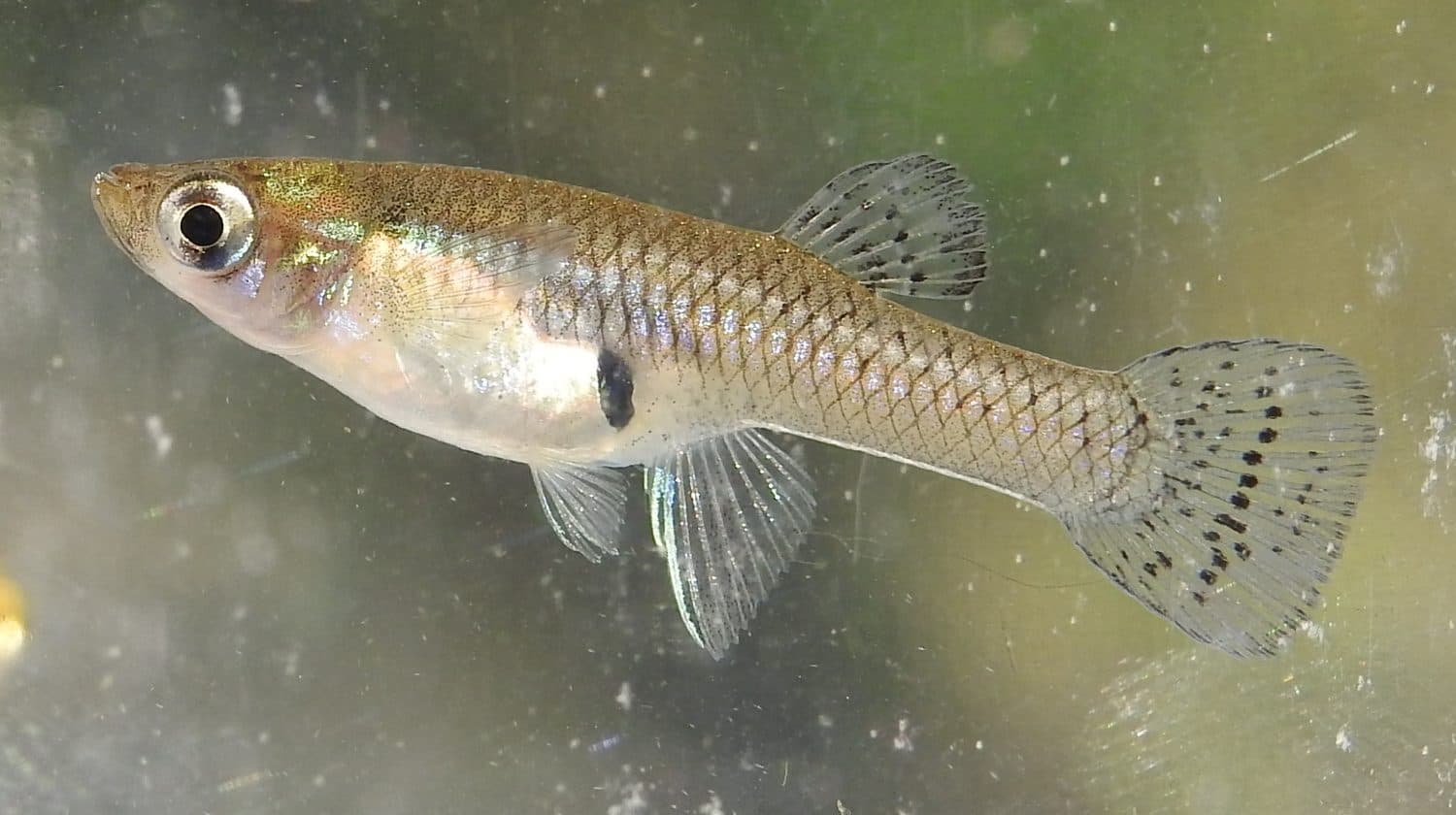
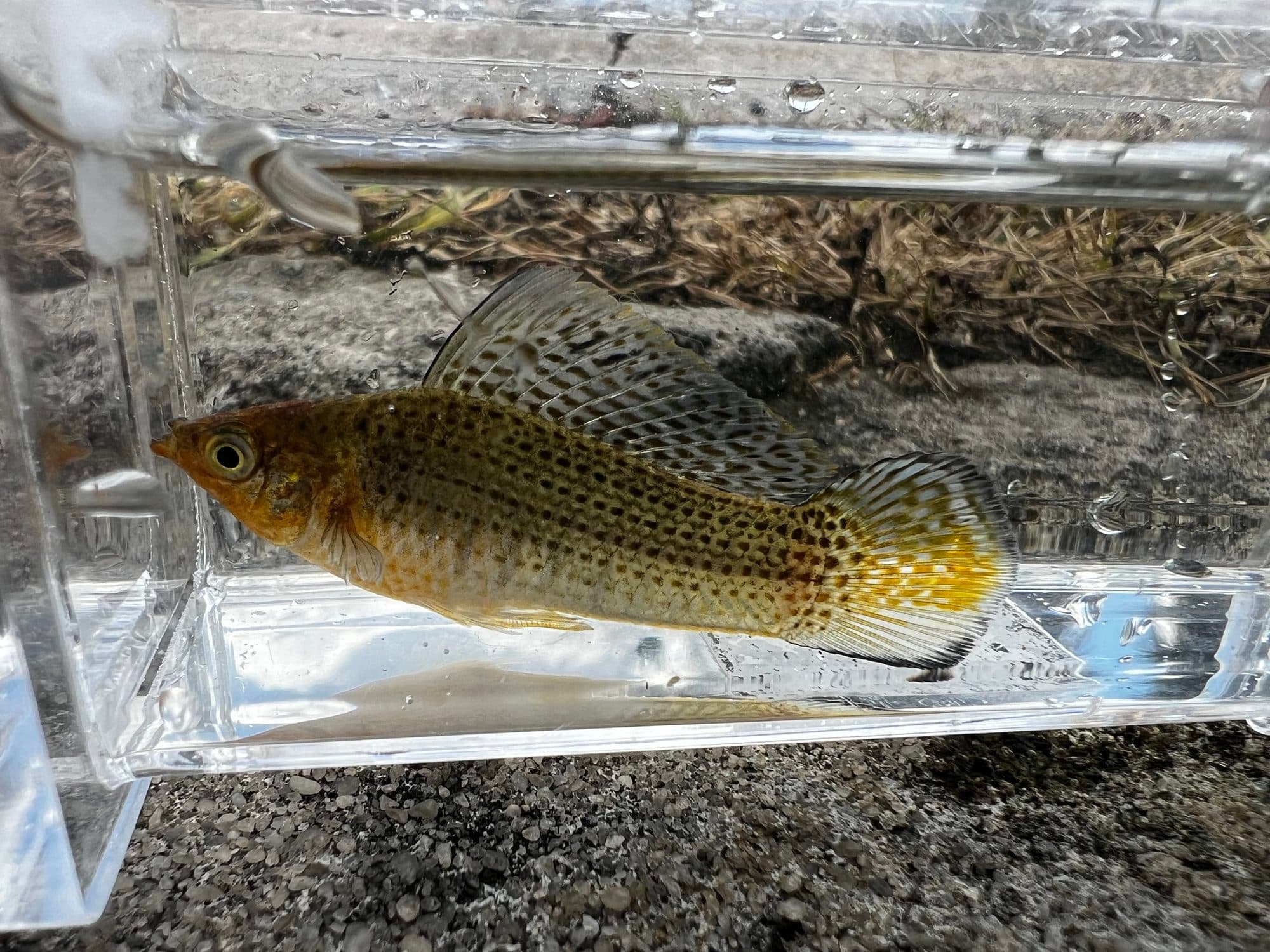
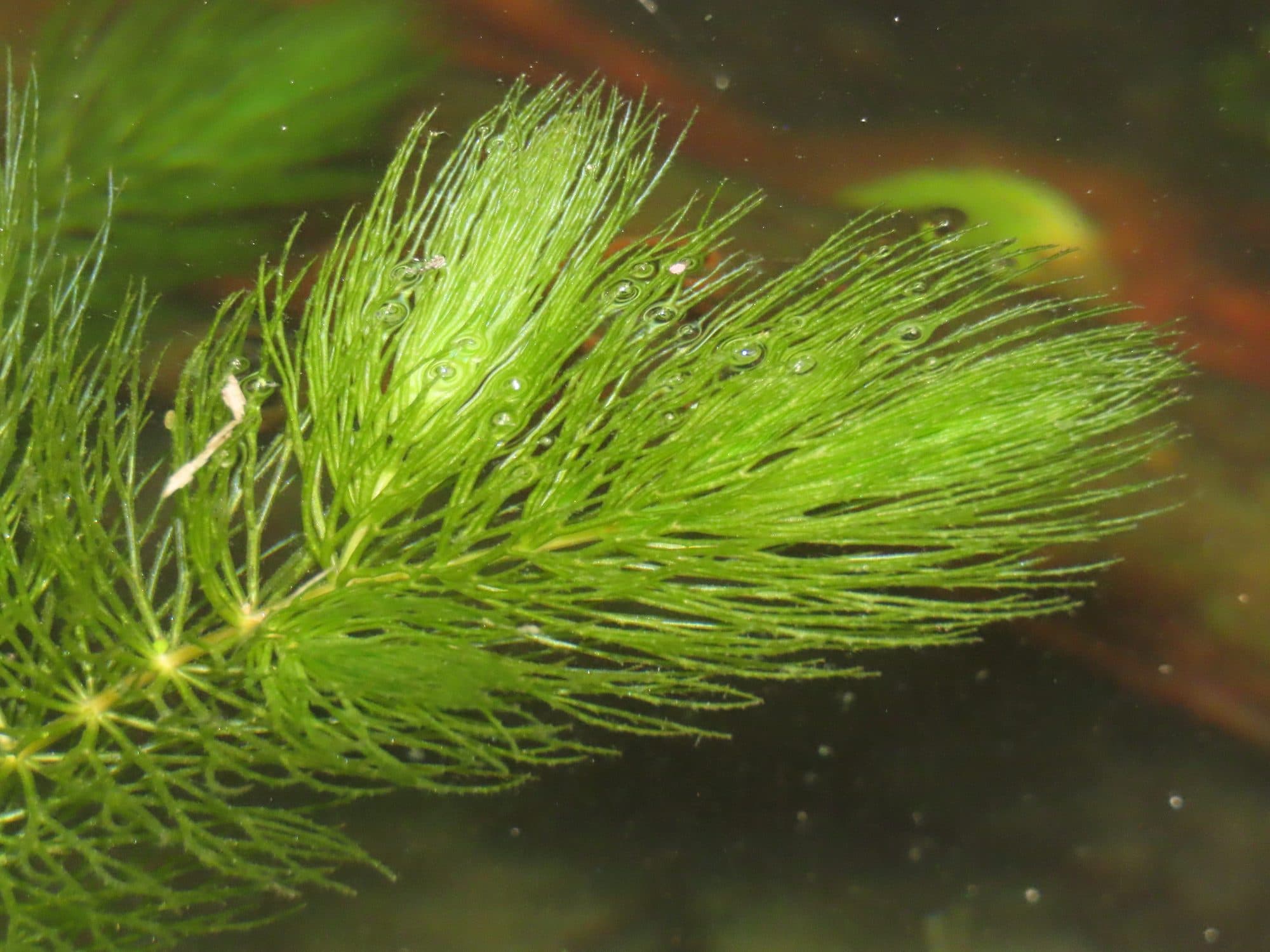
The fish are small and suited to shallow, plant-choked water: the Everglades pygmy sunfish (3 cm) spawns in vegetation, preferably on hornwort; the flagfish lives on the peninsula; the least killifish, one of the smallest livebearers, and the eastern mosquitofish stay near the surface; the sailfin molly also lives in brackish coastal water.
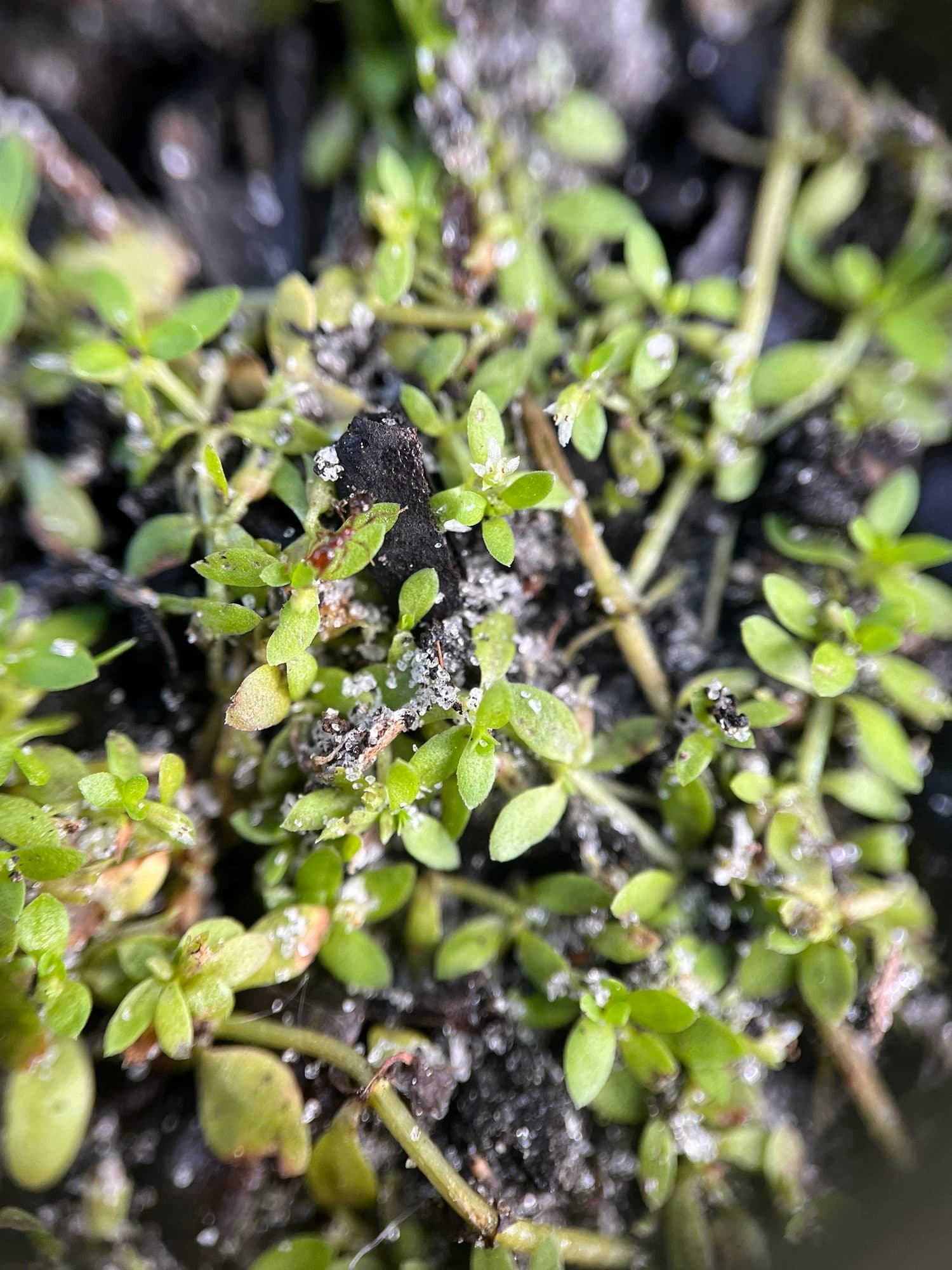
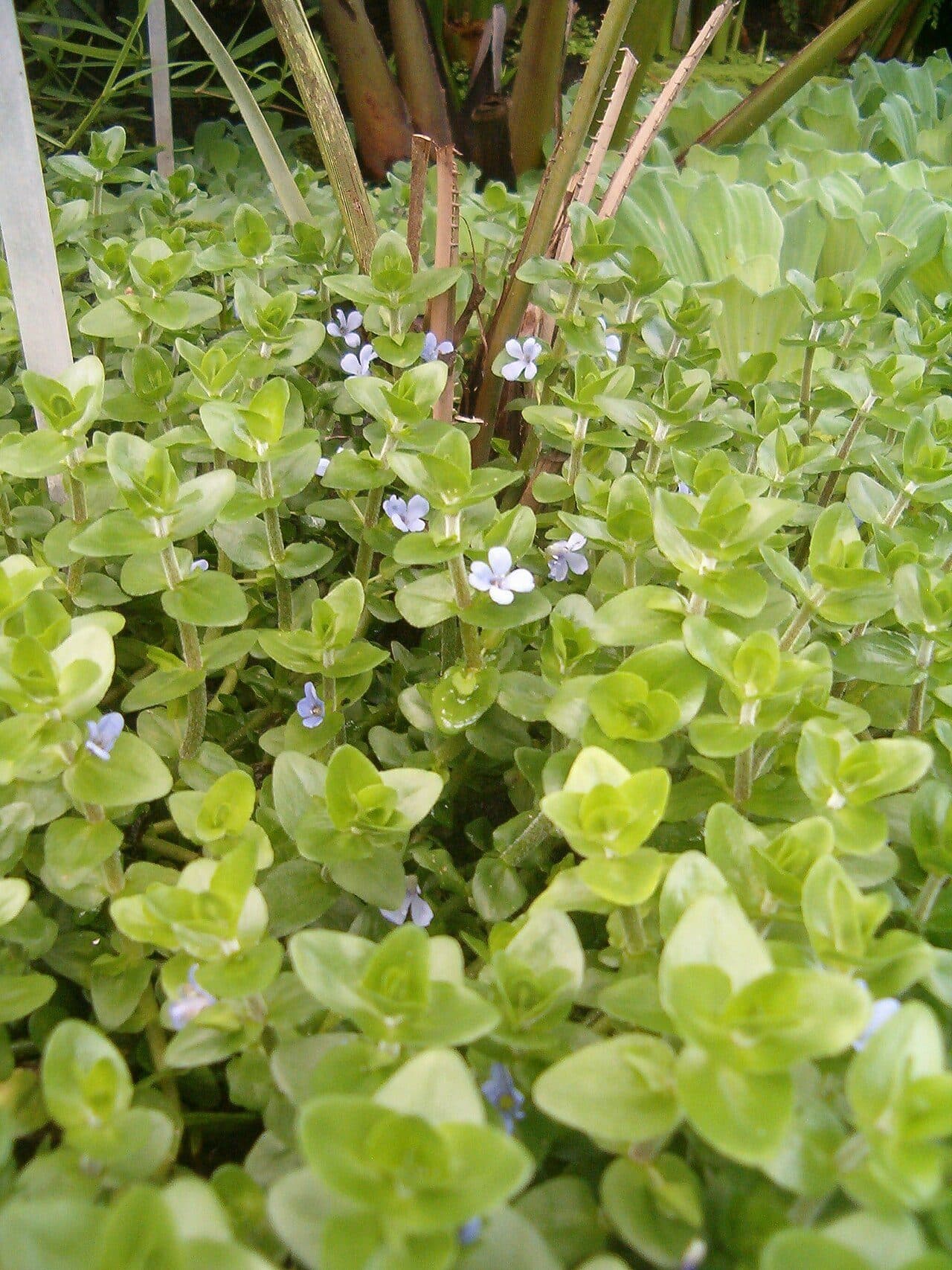
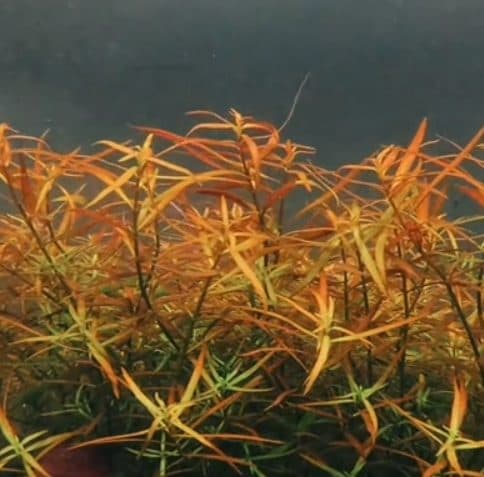
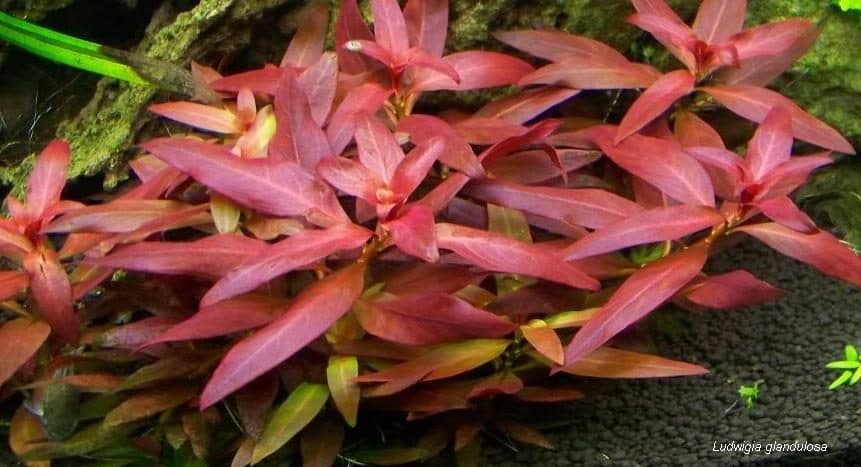
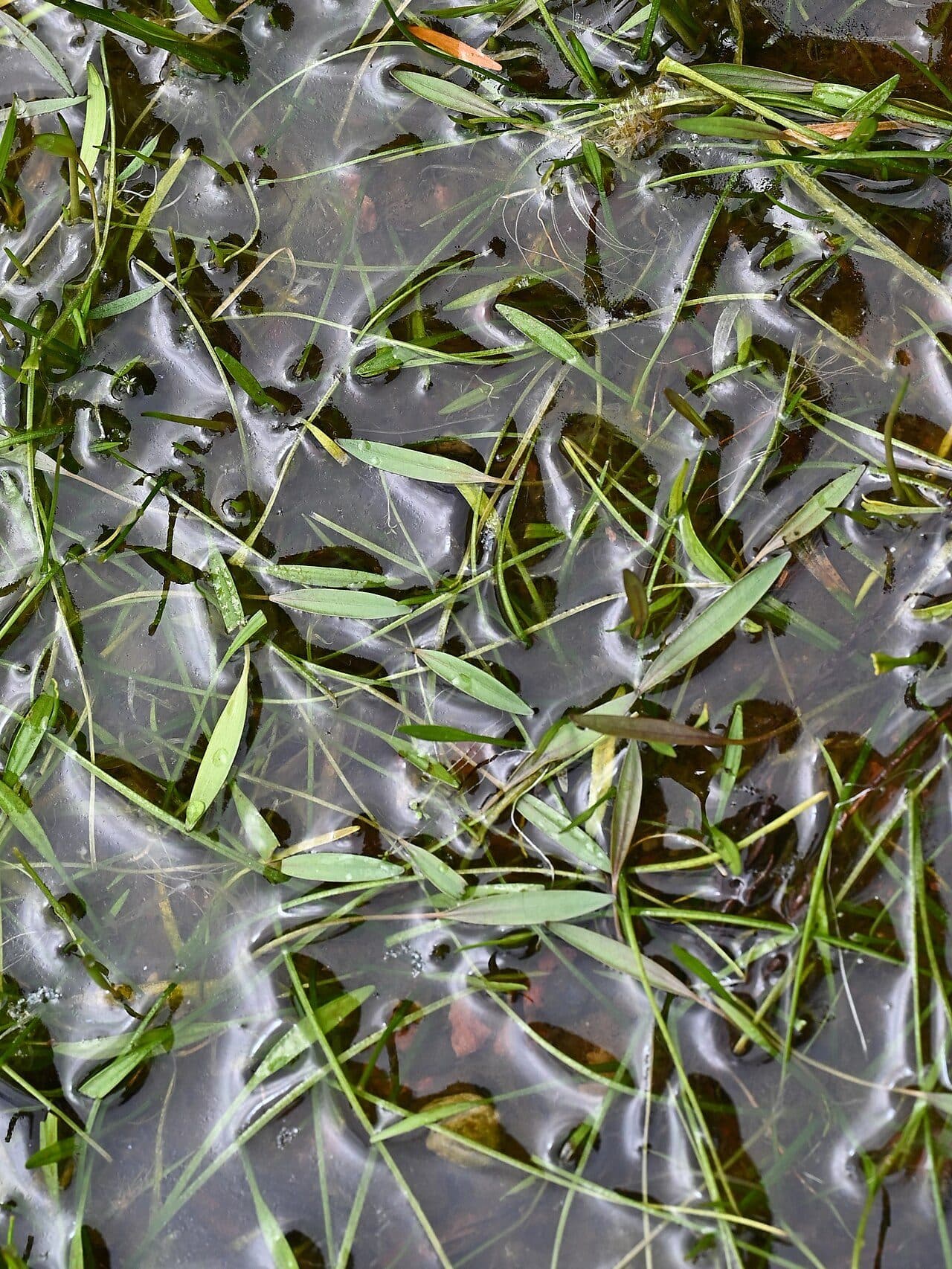
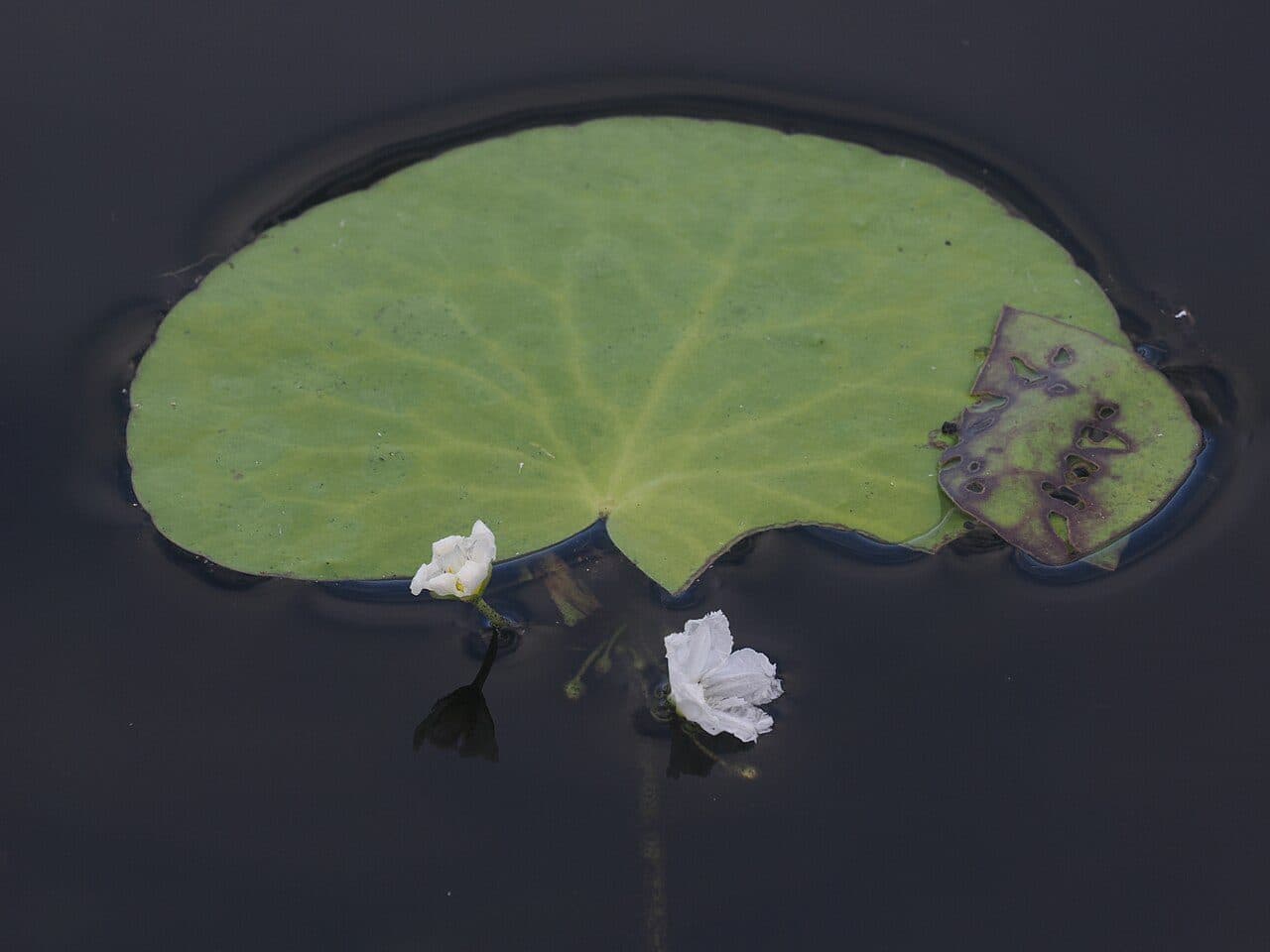
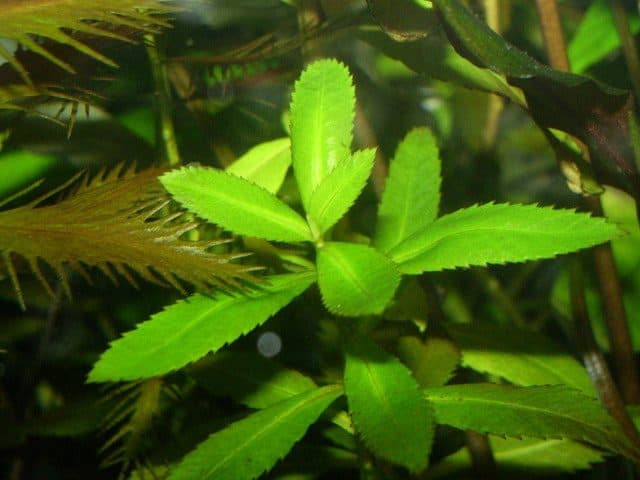
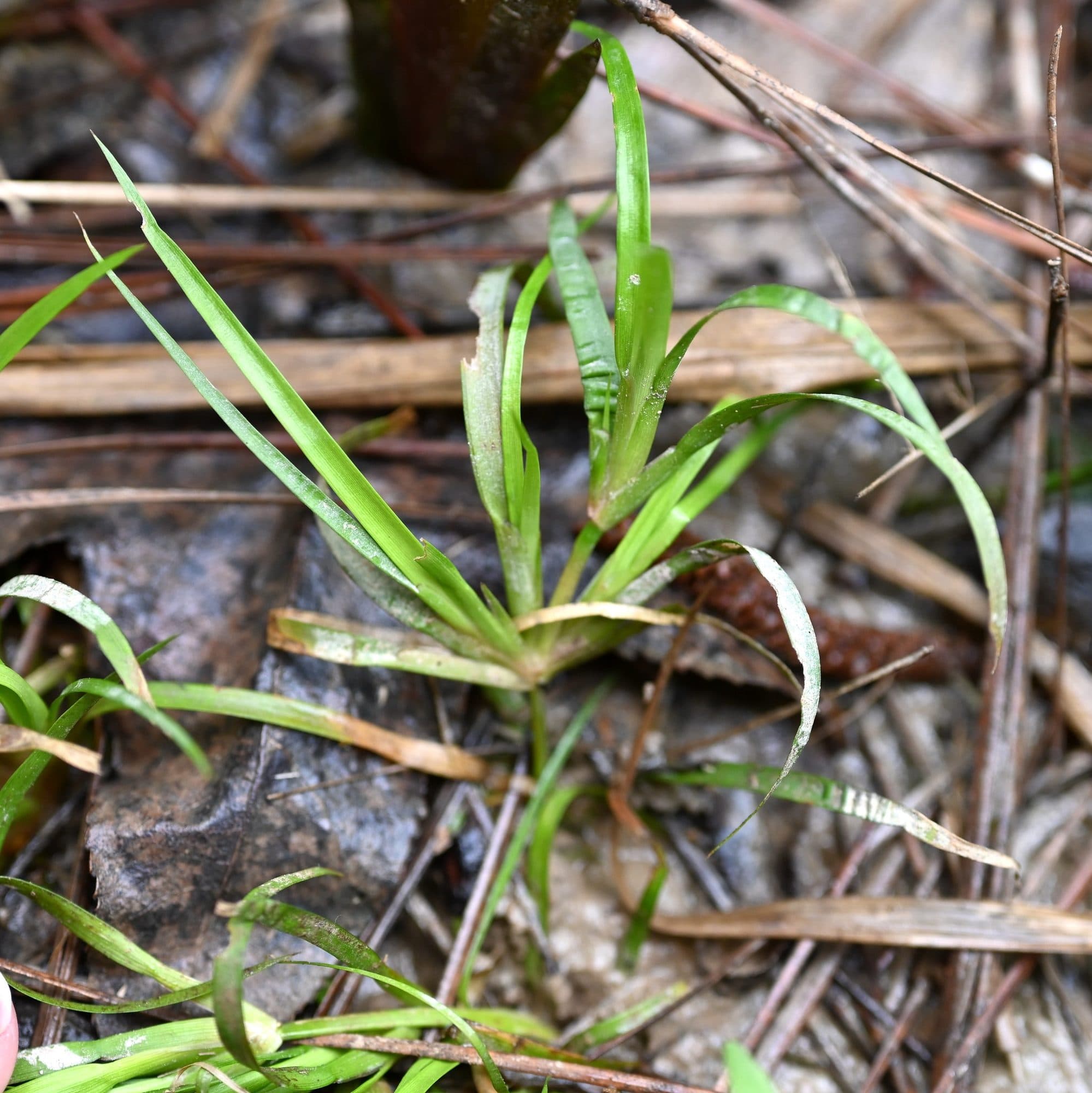
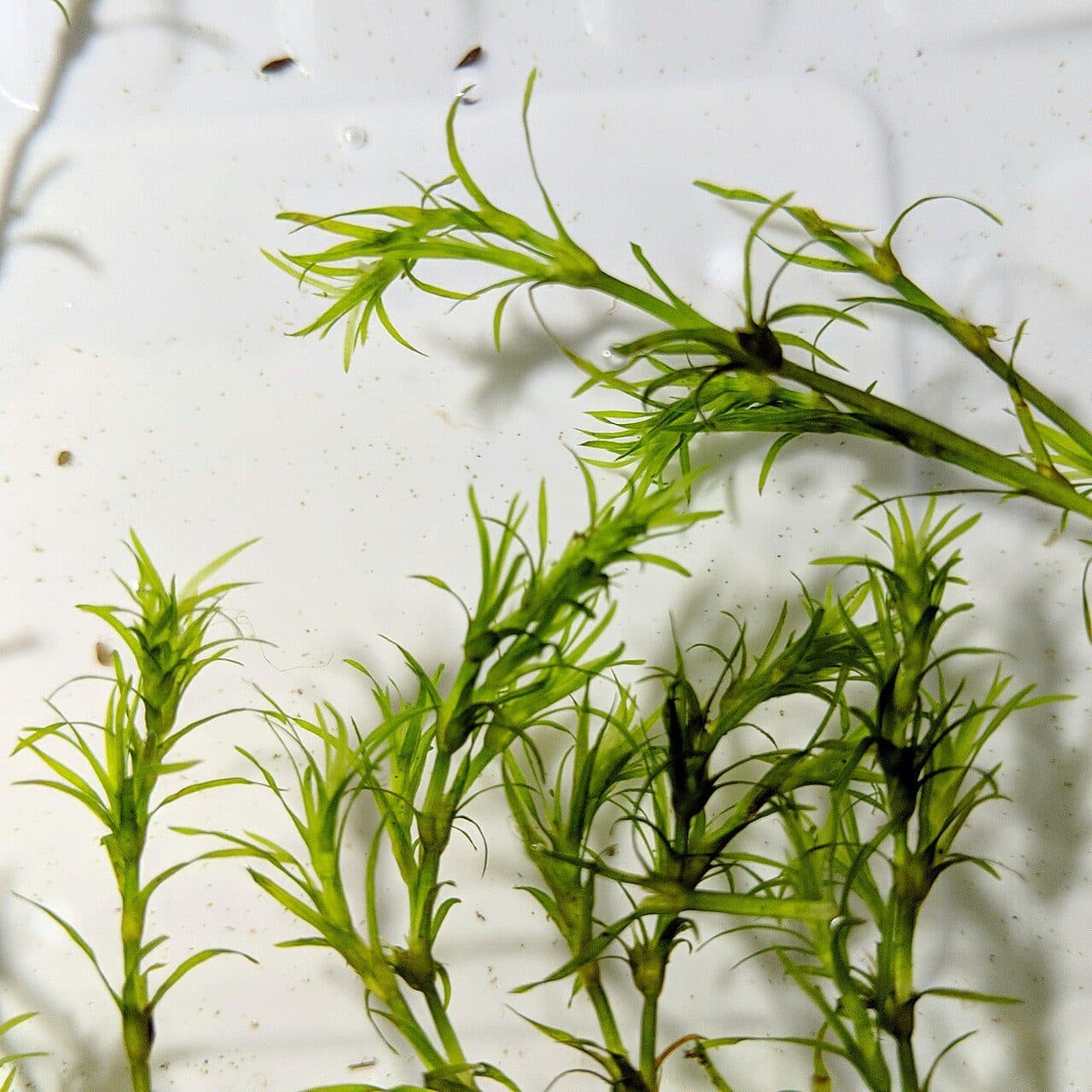
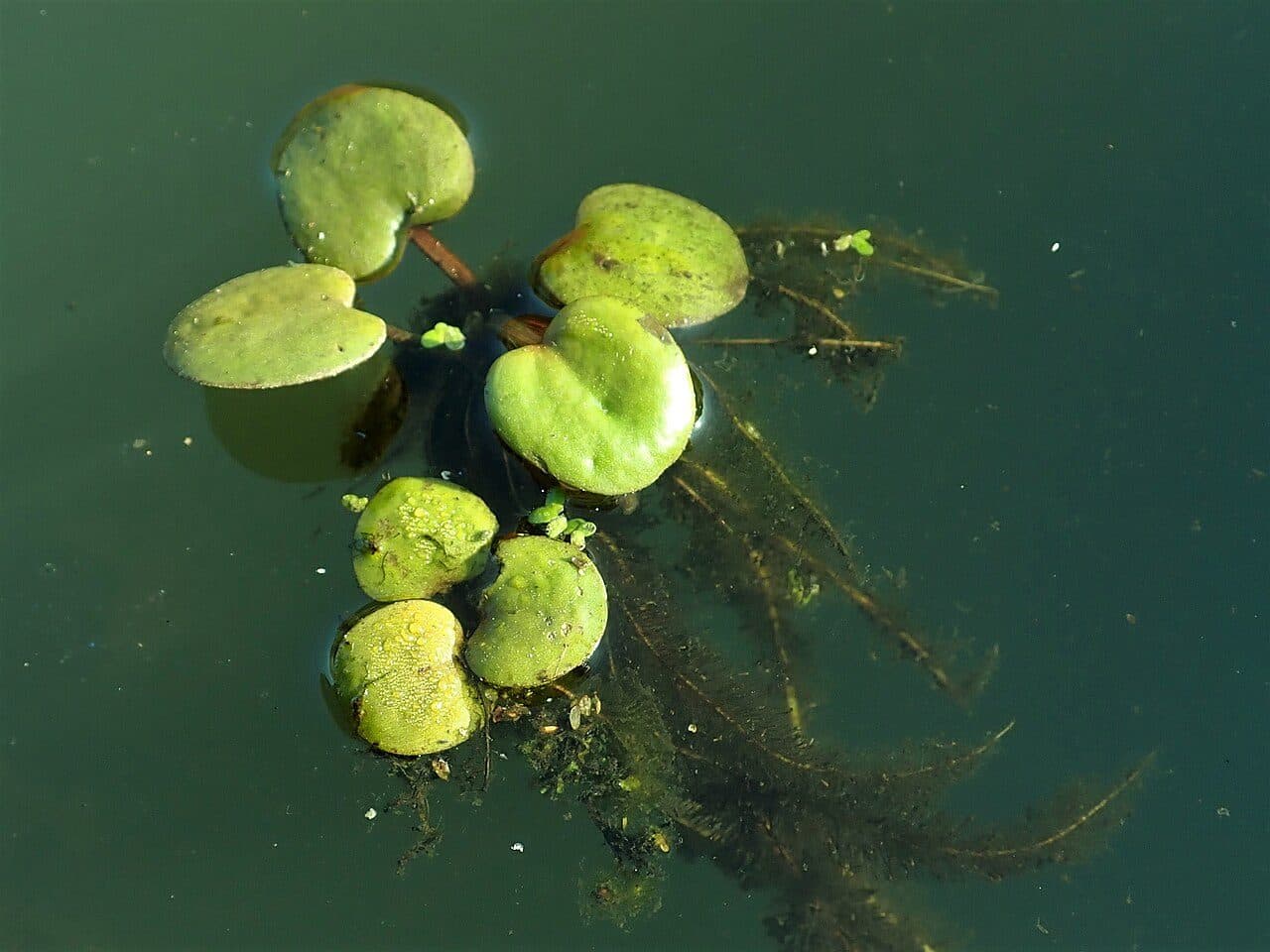
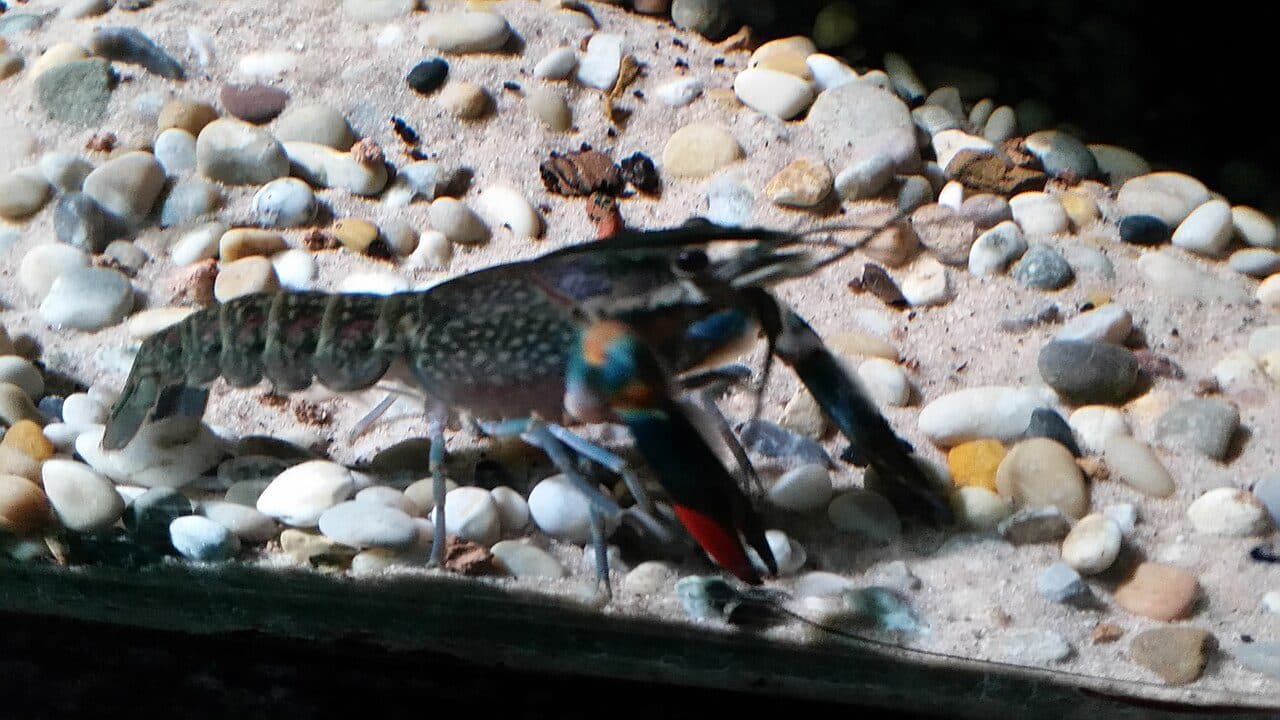
Plants abound: Hemianthus glomeratus, native to Florida, Bacopa caroliniana, Ludwigia, Sagittaria subulata, Nymphoides aquatica, all recorded in Florida according to GBIF. The Florida crayfish (Procambarus alleni) is endemic to Florida; its bright blue colour is a form selected in captivity.
Fish (5)
Recreating it in an aquarium
- Moderately hard, slightly alkaline water (pH 7 to 8), cool for a tropical tank: 20 to 24 °C.
- Plenty of plants and good light: Hemianthus, Bacopa and Sagittaria, hornwort at the surface.
- Small fish among themselves: the shy Everglades pygmy sunfish does not hold its own against lively fish.
- The Florida crayfish in a separate tank: it catches small fish and cuts plants.
Example tank
- Volume
- 80 L
- pH
- 7.4
- GH
- 10°
- Temp.
- 22 °C
- 6 × Everglades pygmy sunfish
- 6 × Least killifish
- Pearlweed
- Lemon bacopa
- Dwarf sagittaria
- Hornwort
A planted 80 L tank for a group of Everglades pygmy sunfish and least killifish, at 22 °C and pH 7.4, with Hemianthus glomeratus, Bacopa caroliniana, Sagittaria subulata and hornwort.
Compatible stocking
Water shared by all species
- pH
- 7–7.5
- GH
- 9–12°
- Temp.
- 20–26 °C
Good to know
- Biotope tank: every species comes from North America.
Tanks recreating it
Aquarists present their tanks on video, often modelled on one precise site. The videos are hosted by YouTube, and the player only loads when you click.
Biotope Aquarium · YouTube
ZenAqua · YouTube
Sources
Species are listed from their profiles (FishBase, Seriously Fish) or, for plants, from GBIF records in the region; the example tank is checked by the simulator's rules.
- U.S. Geological Survey (1995), Springs of Florida. Fact Sheet FS-151-95
- Water Quality Portal (USGS): Ichetucknee River at US 27, samples 1966-1993 (pH, hardness)
- USGS Water Data: Ichetucknee River at US 27 near Hildreth, continuous records (temperature, conductance)
- Seriously Fish: Jordanella floridae
- GBIF occurrences: Hemianthus glomeratus (Micranthemum glomeratum), Florida