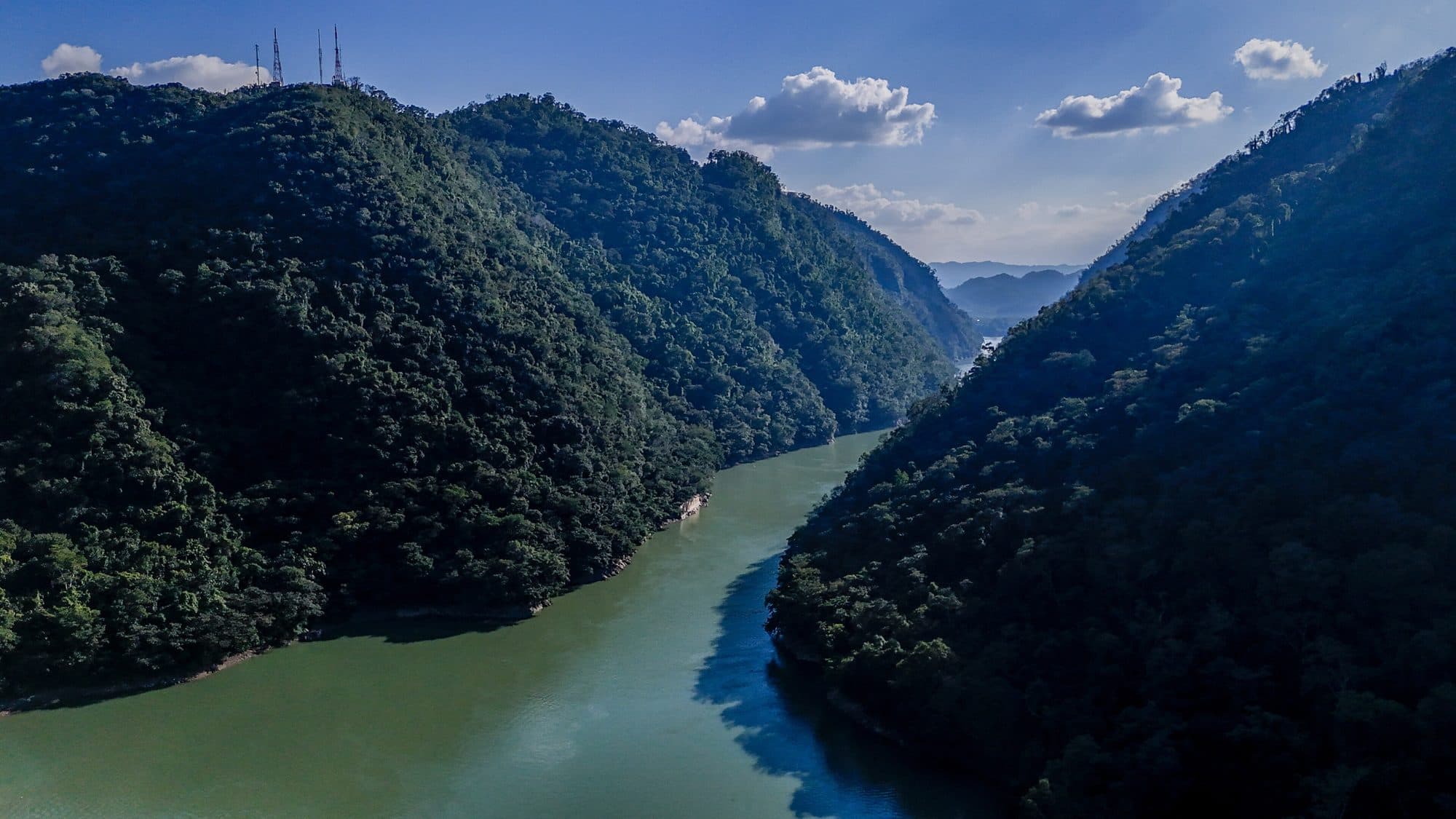
The Usumacinta canyon at Boca del Cerro, near Tenosique (Tabasco), seen by drone.
Photo: ProtoplasmaKid, CC BY-SA 4.0, via Wikimedia Commons
Large limestone river
Rivers of the Usumacinta basin
Mexico (Chiapas, Tabasco), Guatemala
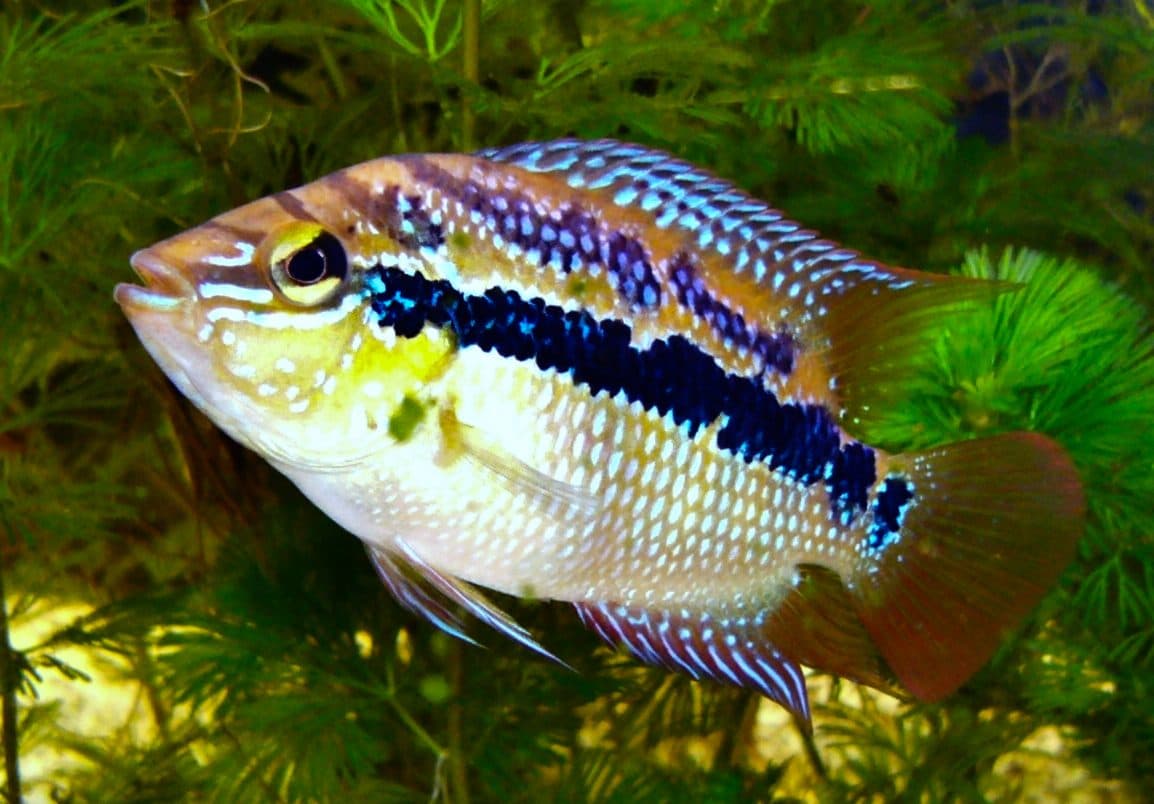
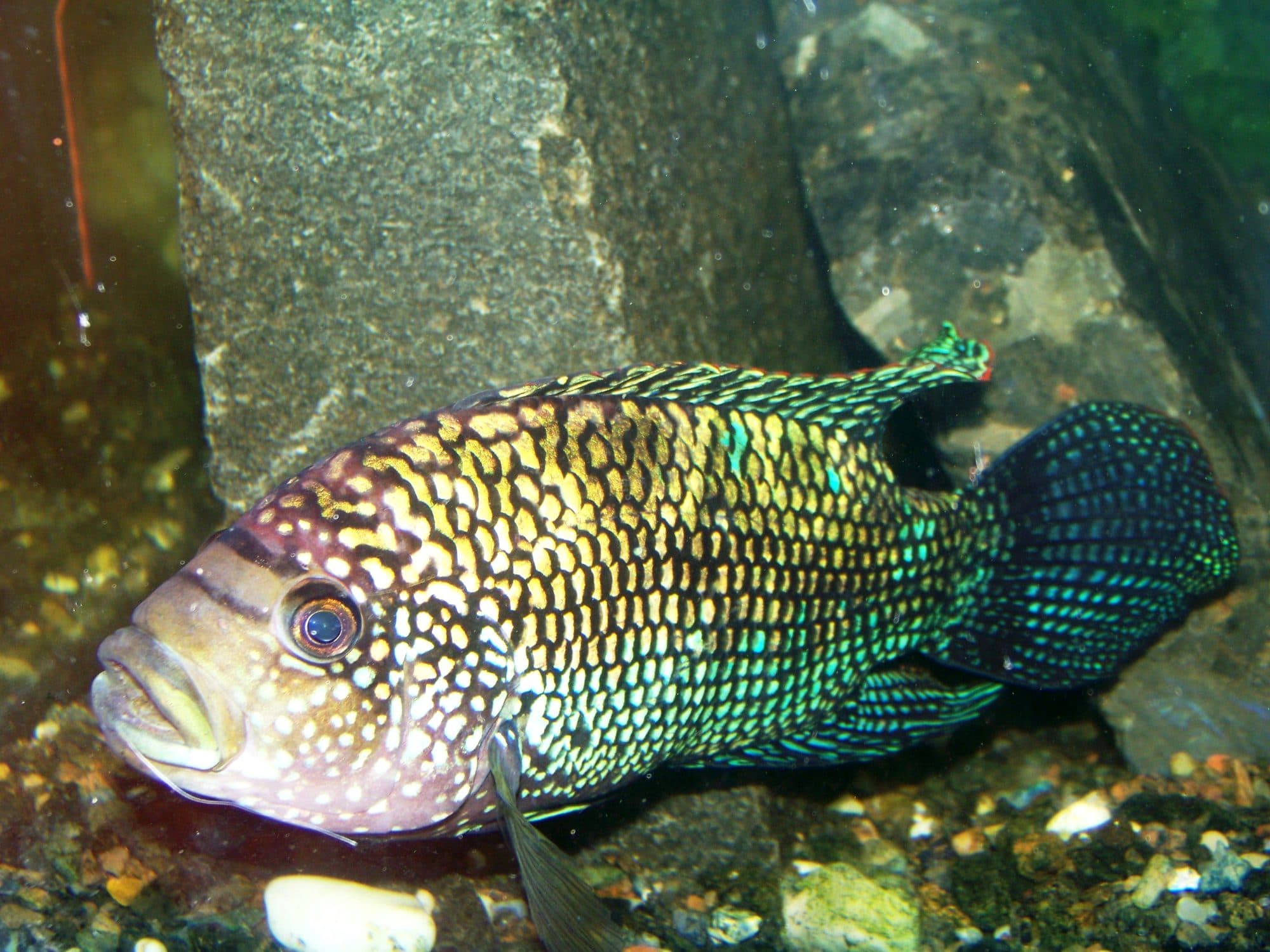
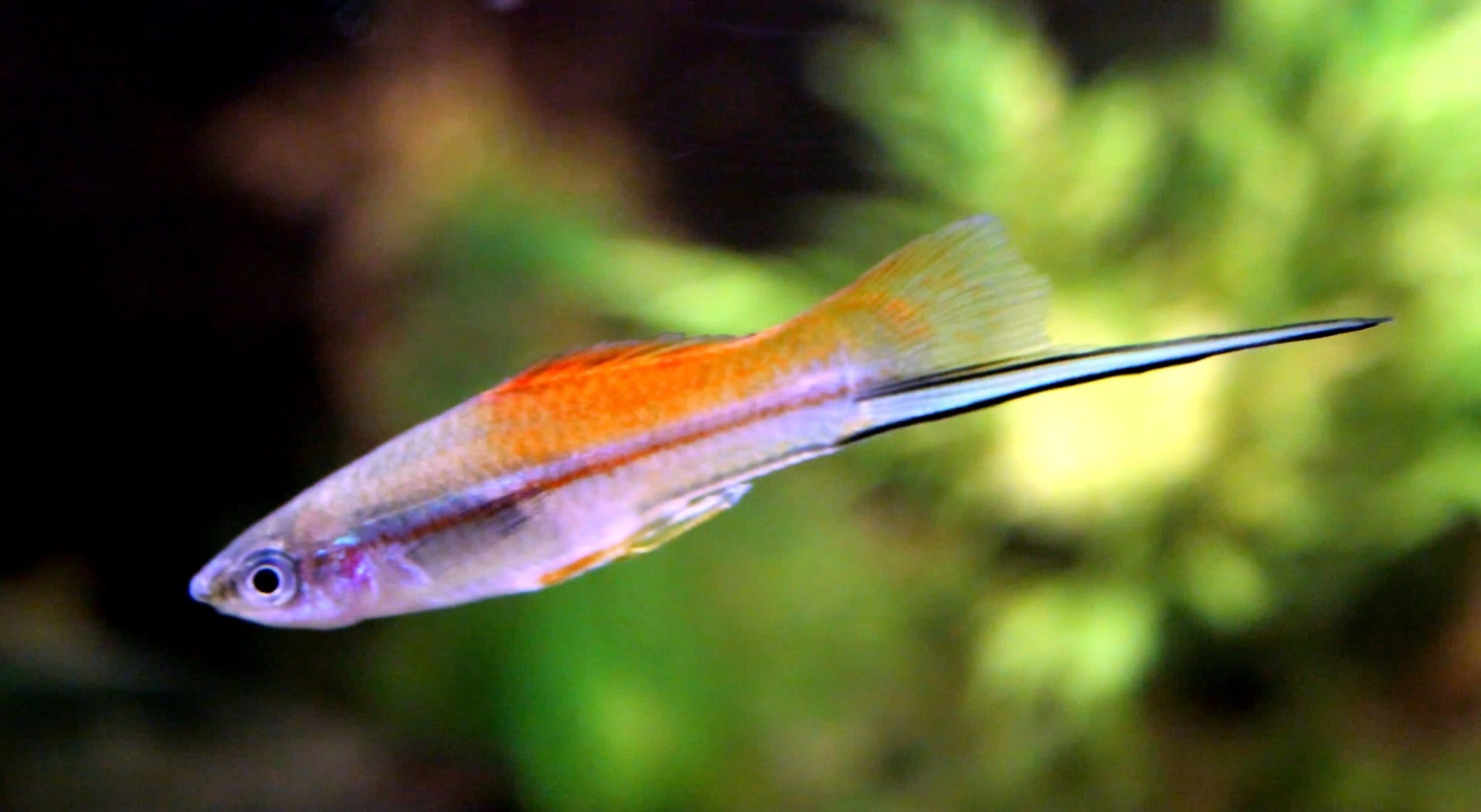
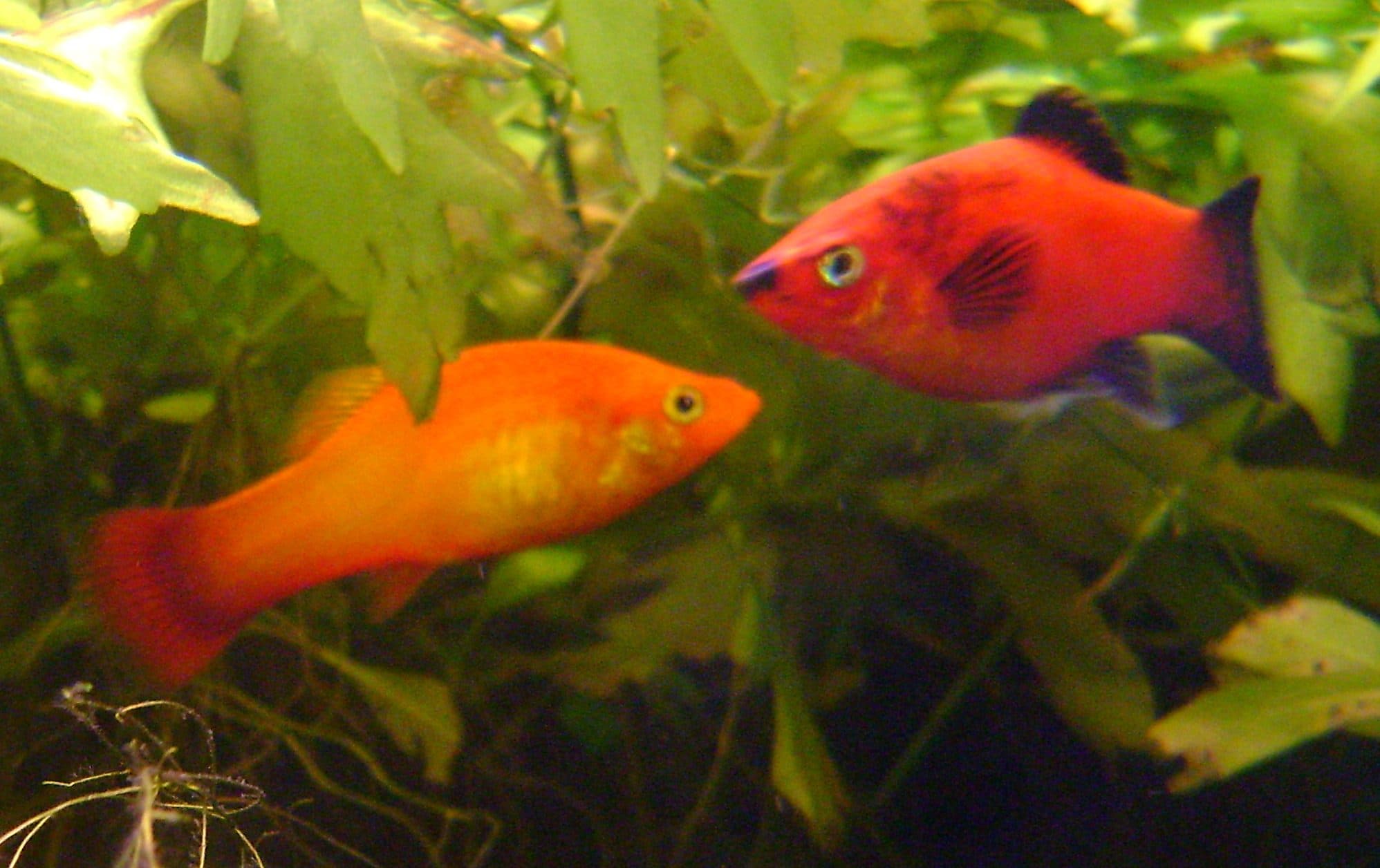
The largest river in Mesoamerica, with warm, limestone water: the realm of the firemouth cichlid, Salvin's cichlid, swordtails and mollies.
The habitat
The Usumacinta rises in the highlands of Guatemala, forms part of the border with Chiapas, cuts through the Boca del Cerro canyon, then spreads out over the marshy plains of Tabasco before joining the Grijalva and the Gulf of Mexico.
Its basin largely drains limestone, like the neighbouring Petén and Yucatán. Habitats are very varied: the main channel and its sandbanks, clear tributaries, lagoons, marshes and weed-choked ditches, where most of the region's aquarium fish live.
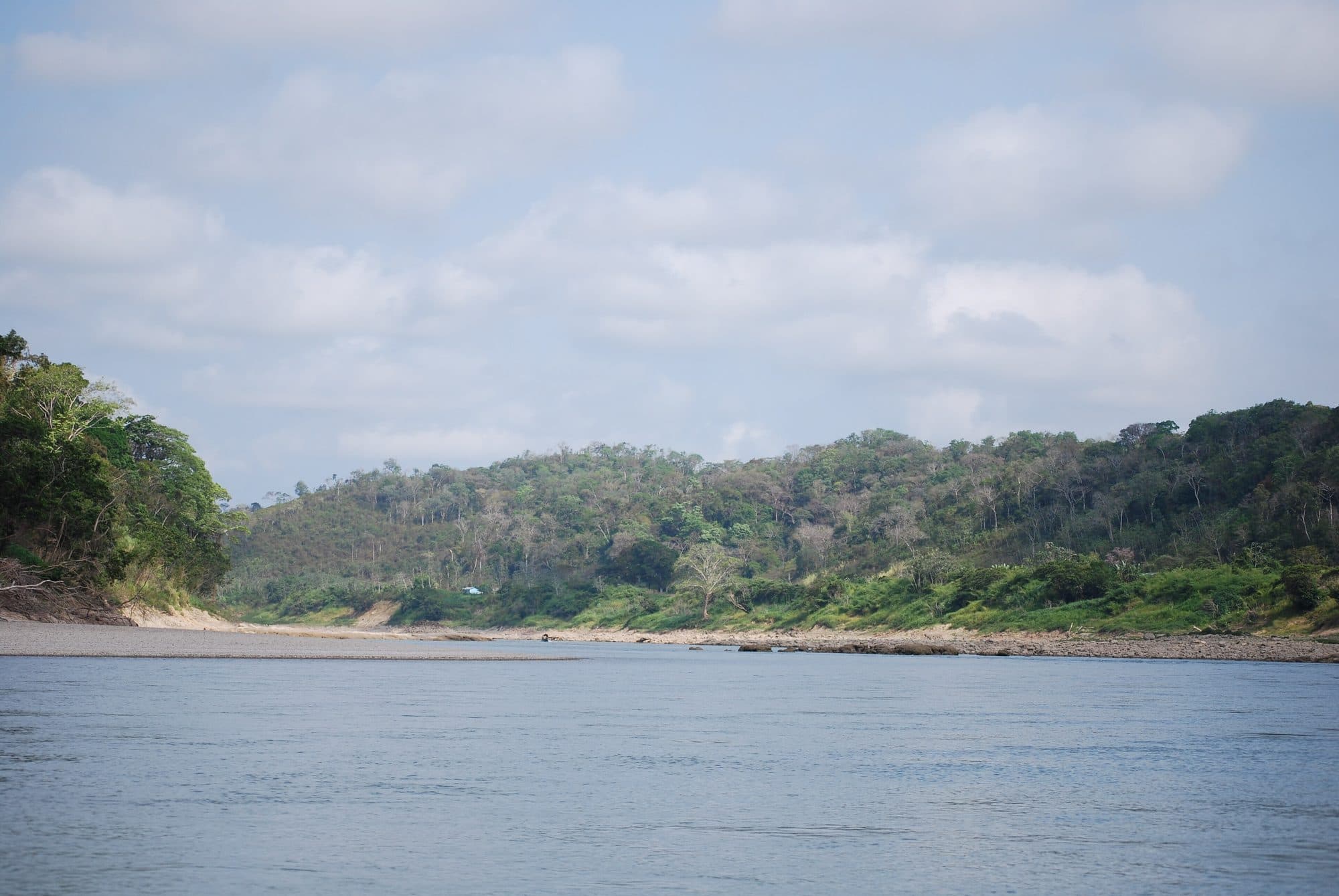
The Usumacinta near Yaxchilán: Chiapas (Mexico) on the left, Guatemala on the right.
Photo: Thelmadatter, CC BY-SA 3.0, via Wikimedia Commons
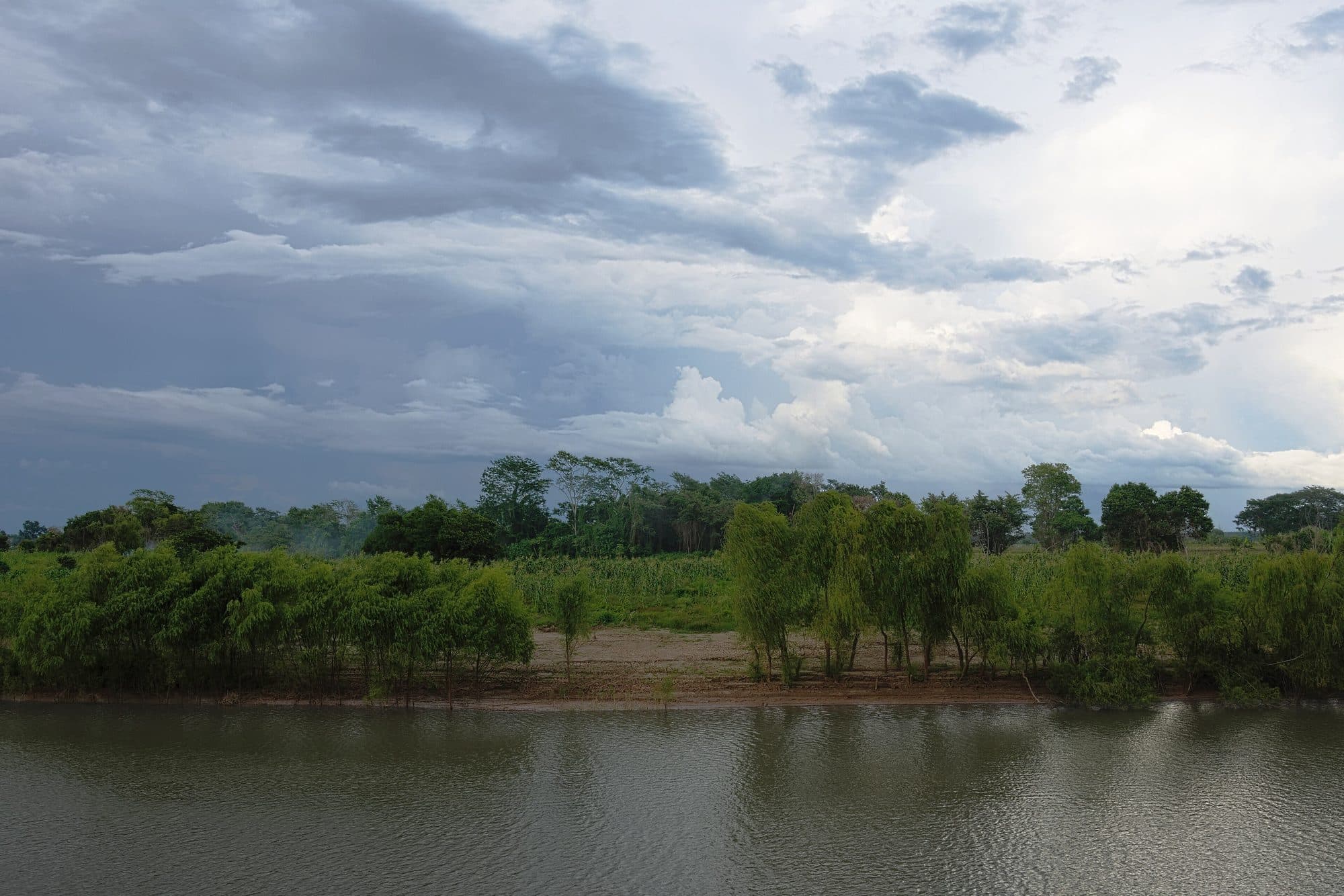
The river in the plains of Tabasco, at Balancán.
Photo: Carlos Valenzuela, CC BY-SA 4.0, via Wikimedia Commons
The water
Salcedo-Garduño and colleagues (2022) analysed the water of the lower Usumacinta, in Tabasco, from June 2017 to May 2018: a pH of 7.5 to 8.9 and a temperature of 23 to 33.9 °C, warmest in May, at the end of the dry season. Dissolved solids also rose in the dry season.
The profiles of the region's fish call for neutral to alkaline, moderately hard water; the Atlantic molly wants harder water than the cichlids and swordtails.
Who lives here
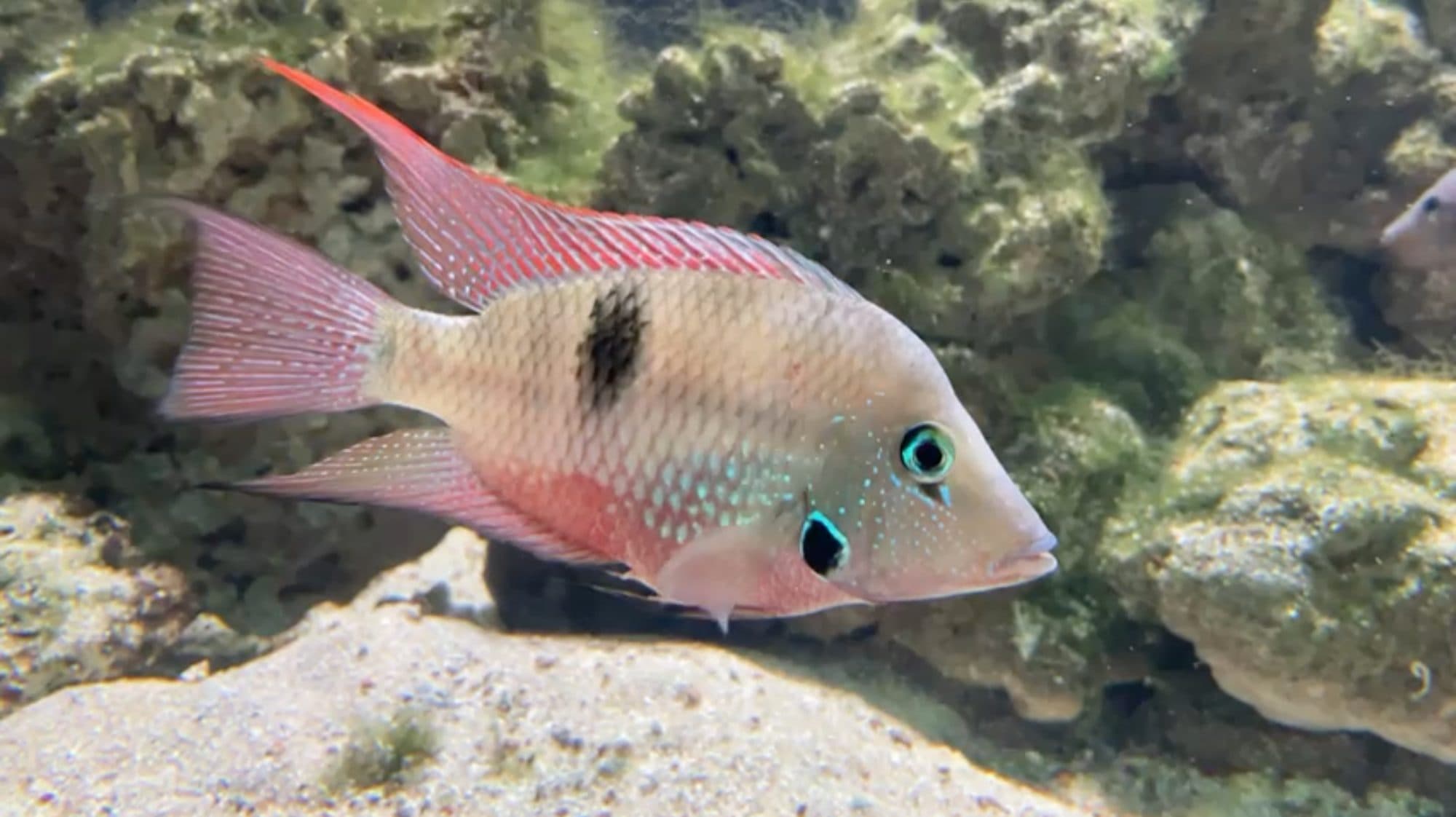
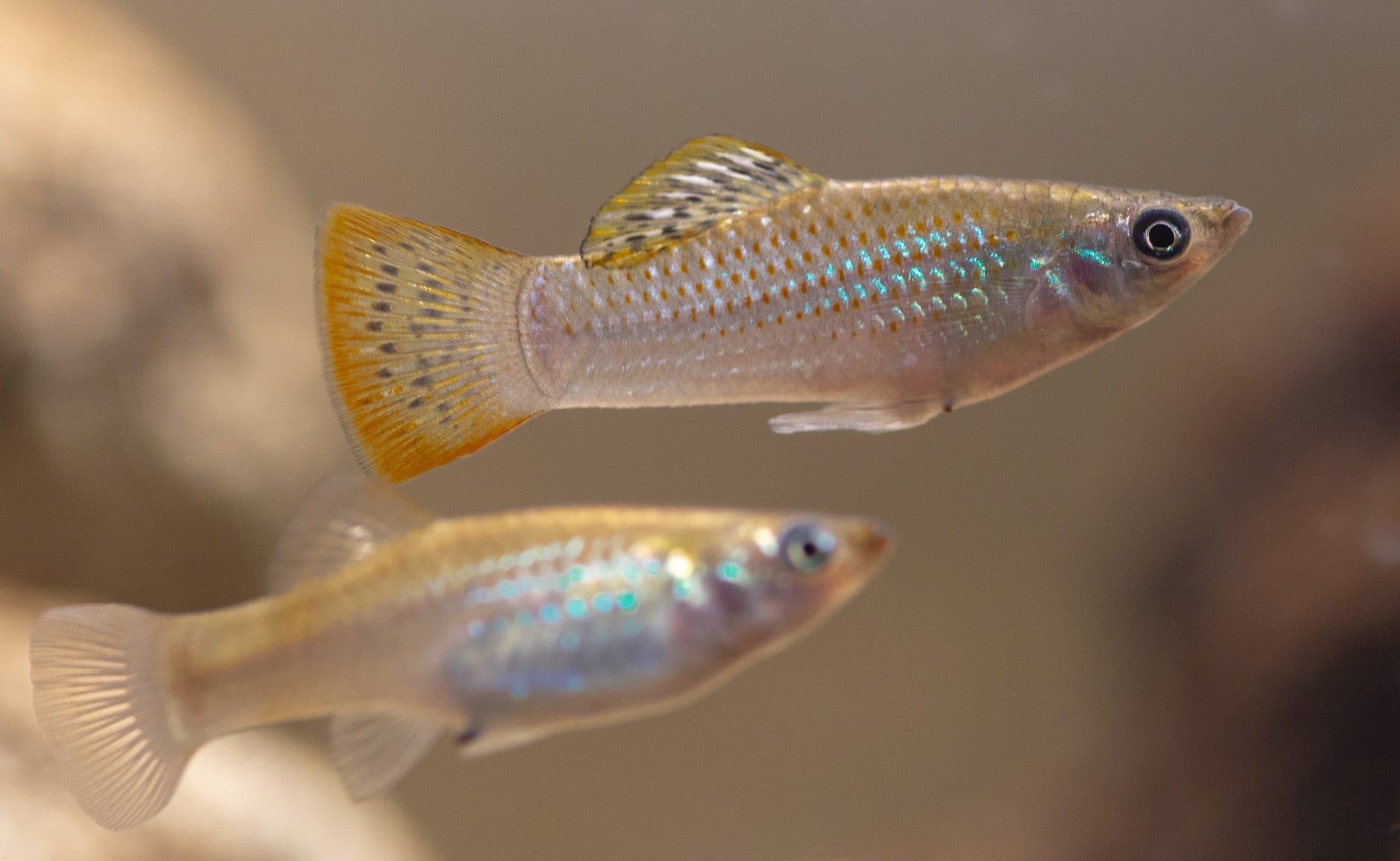
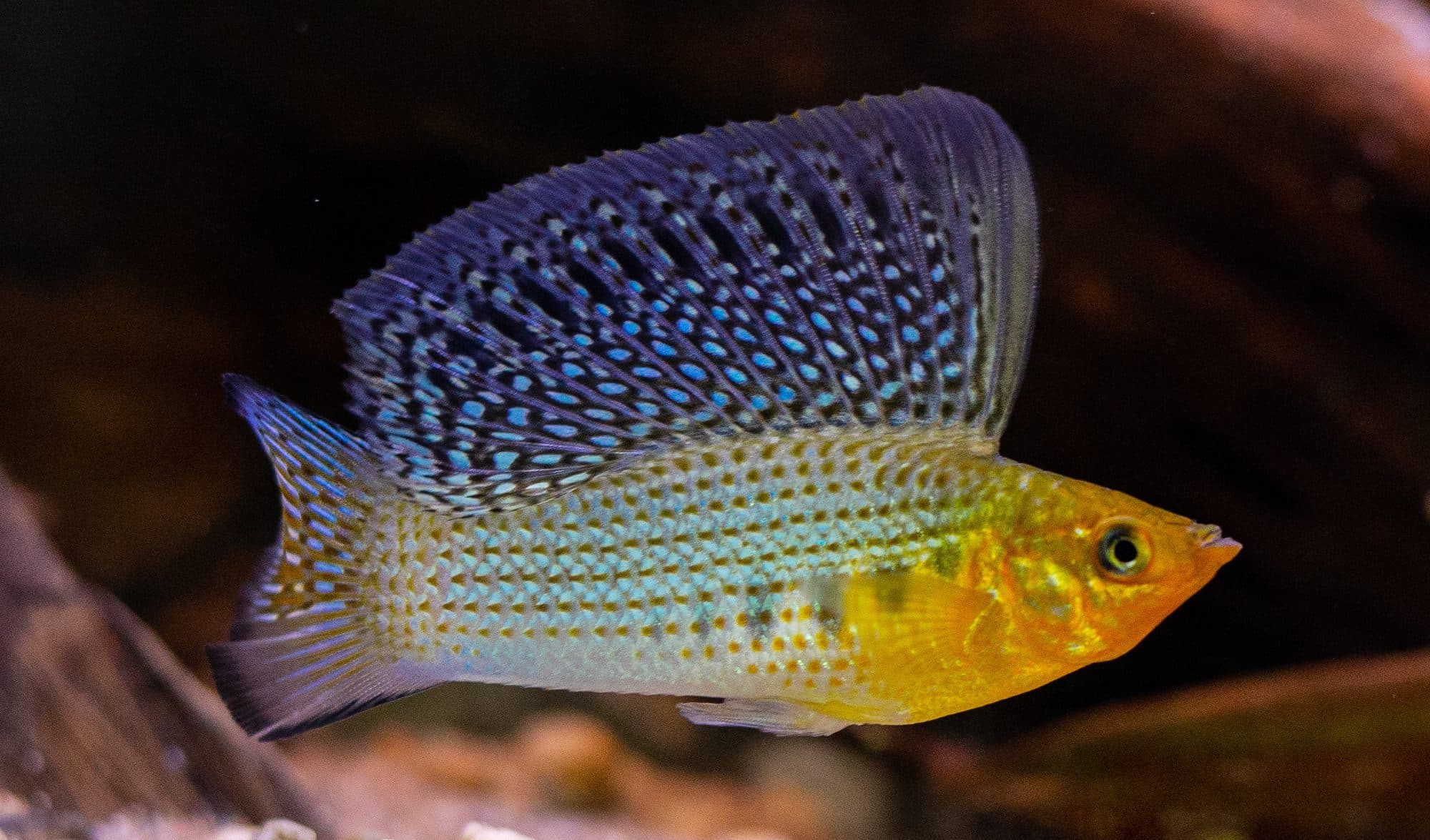
The firemouth cichlid (Thorichthys meeki), Salvin's cichlid (Trichromis salvini) and the Jack Dempsey (Rocio octofasciata) defend territories near the bottom; Salvin's cichlid also hunts in the current. Swordtails (Xiphophorus hellerii), platies (X. maculatus) and the Atlantic molly (Poecilia mexicana) live in groups in calm, vegetated water; the sailfin molly (P. velifera) only reaches the lower basin, near the coastal lagoons.
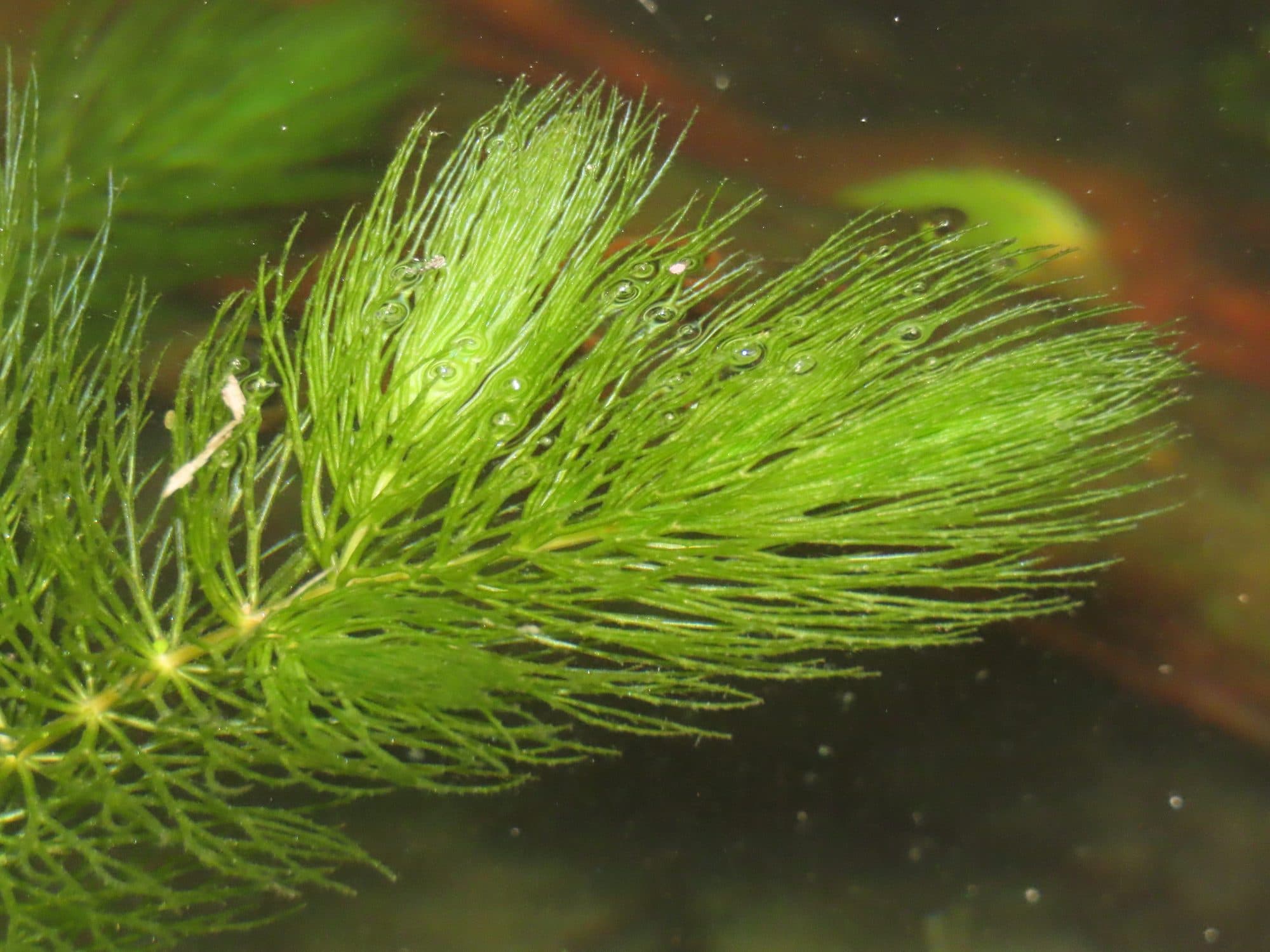
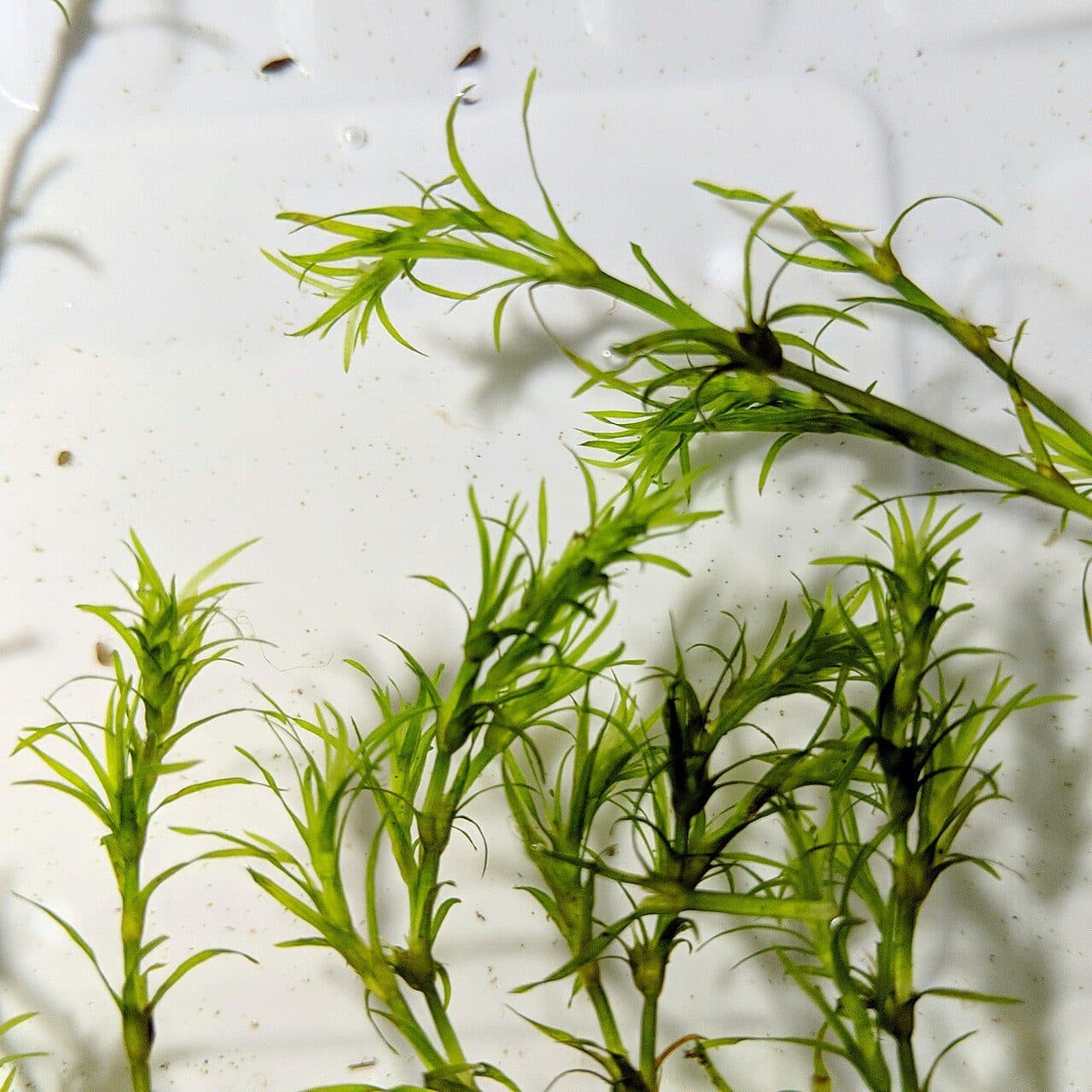
The plant beds mix hornwort, southern naiad and water stargrass, with floating plants such as Ludwigia helminthorrhiza and pennyworts on the banks, all recorded in the basin according to GBIF.
Fish (7)
Plants (5)
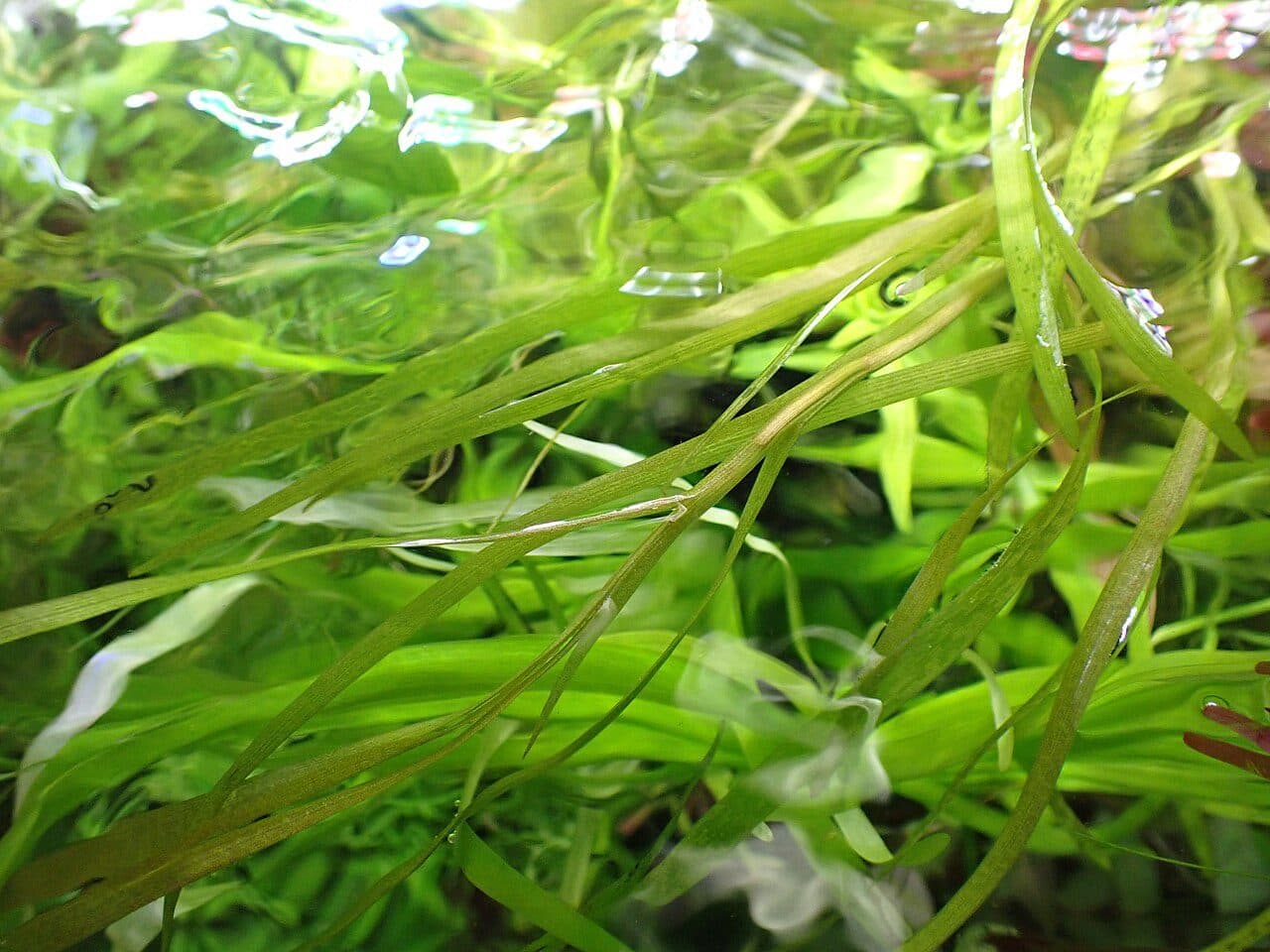
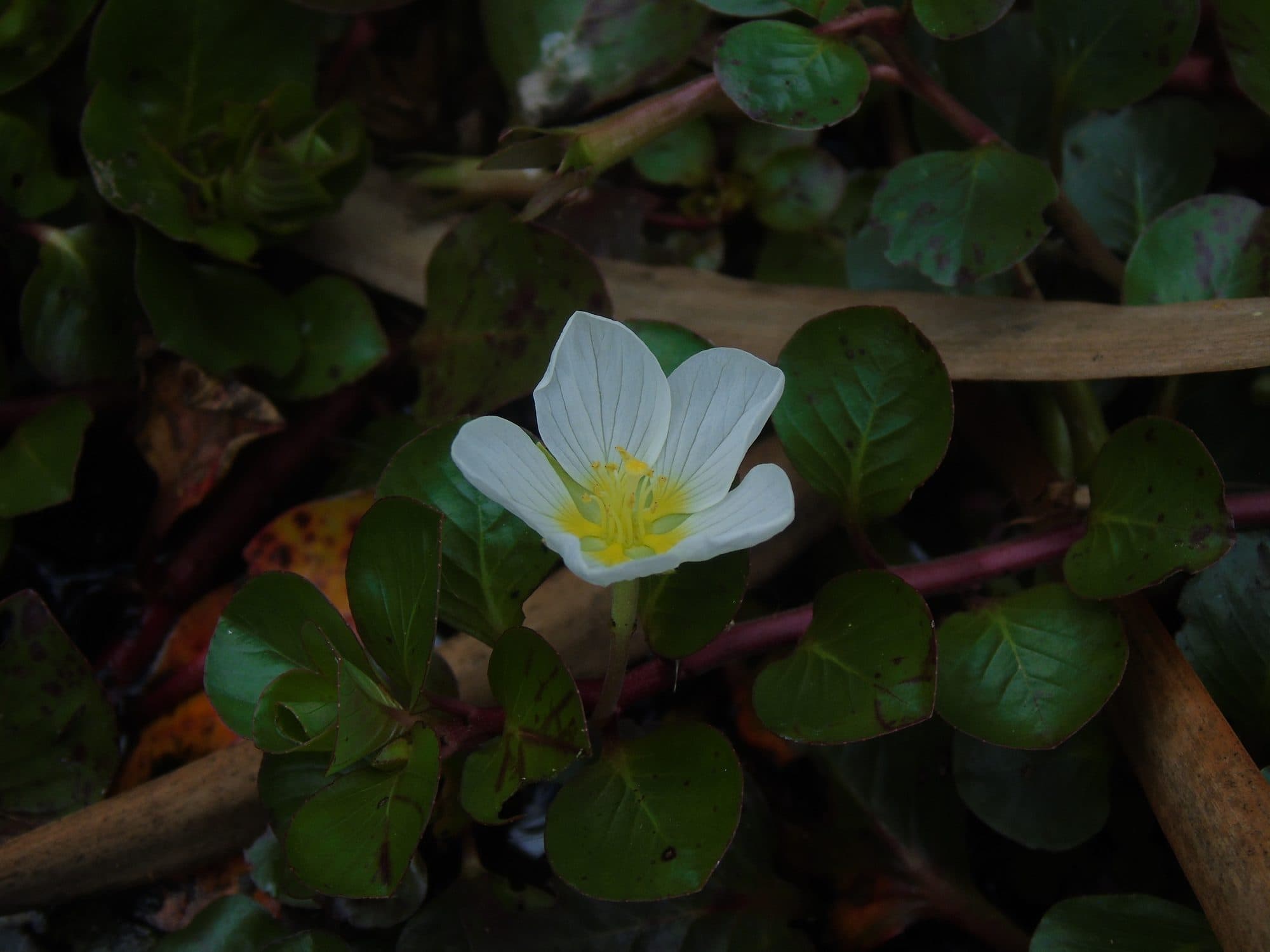
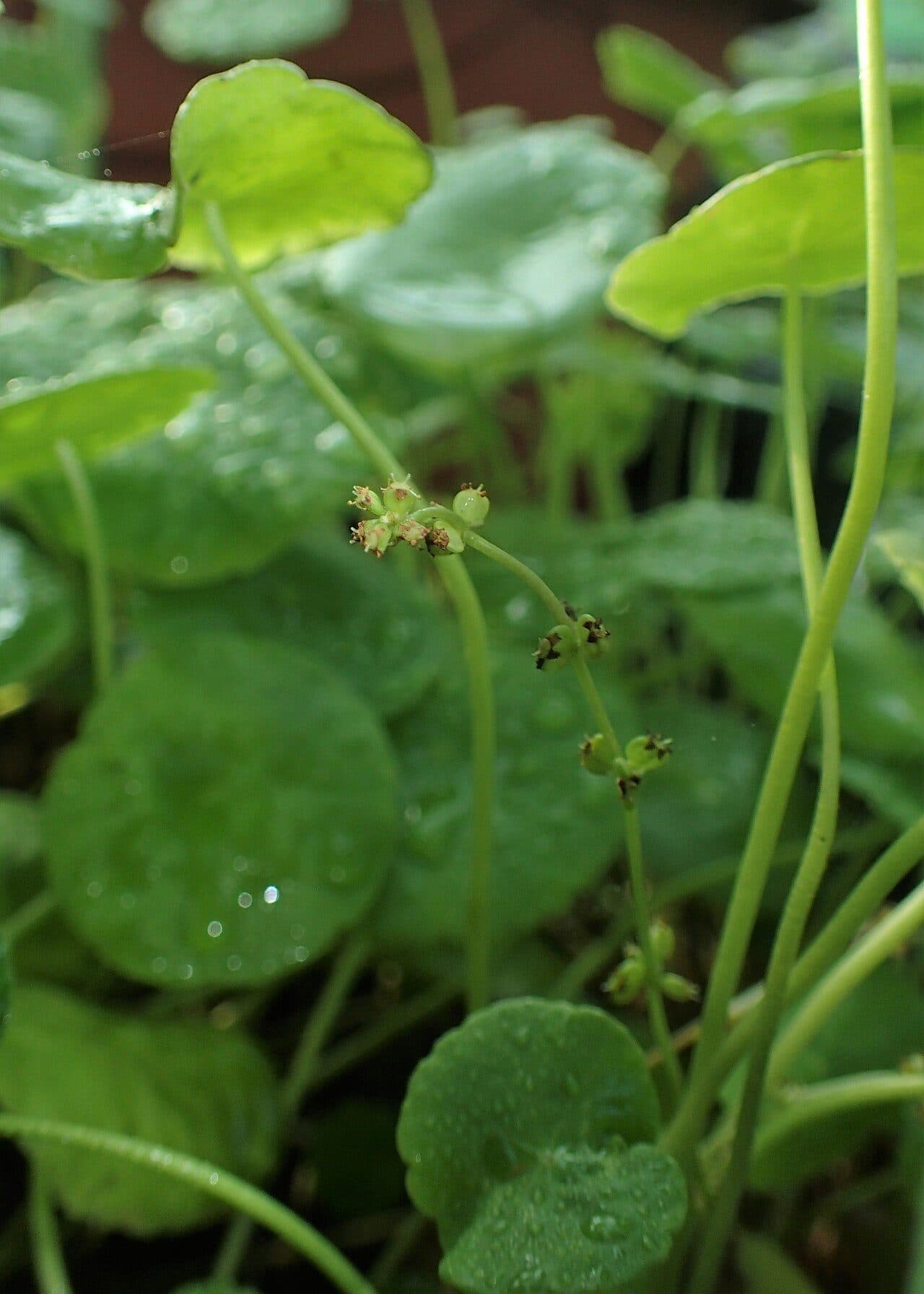
Recreating it in an aquarium
- A bottom of sand and gravel, a few limestone rocks and roots; the cichlids dig.
- Neutral to alkaline water (pH 7.5 to 8), moderately hard, between 24 and 28 °C.
- Hardy plants in clumps (hornwort, water stargrass) and floating plants, where livebearer fry hide.
- The territorial cichlids apart from the peaceful livebearers: a pair of firemouths in at least 140 L, or a tank of swordtails and platies.
Example tank
- Volume
- 150 L
- pH
- 7.6
- GH
- 14°
- Temp.
- 25 °C
- 4 × Green swordtail
- 4 × Southern platyfish
- Hornwort
- Water stargrass
- Guppy grass
A 150 L tank for the livebearers: four swordtails and four platies (one male for three females), with hornwort, water stargrass and naiad, at pH 7.6 and 14 °dGH. The Atlantic molly is left out: its profile asks for harder water than the swordtails'.
Compatible stocking
Water shared by all species
- pH
- 7–8
- GH
- 10–15°
- Temp.
- 22–26 °C
Good to know
- Biotope tank: every species comes from Central America.
Tanks recreating it
Aquarists present their tanks on video, often modelled on one precise site. The videos are hosted by YouTube, and the player only loads when you click.
Biotope Aquarium · YouTube
dnbiotopes · YouTube
Sources
Species are listed from their profiles (FishBase, Seriously Fish) or, for plants, from GBIF records in the region; the example tank is checked by the simulator's rules.
- Salcedo-Garduño, Galaviz-Villa & Pérez-Vázquez (2022), Determining water quality of the lower basin of the Usumacinta River in Tabasco, Mexico. Agro Productividad 15(8), table 1
- Seriously Fish: Thorichthys meeki
- Seriously Fish: Xiphophorus hellerii
- GBIF occurrences: Heteranthera dubia, Usumacinta basin