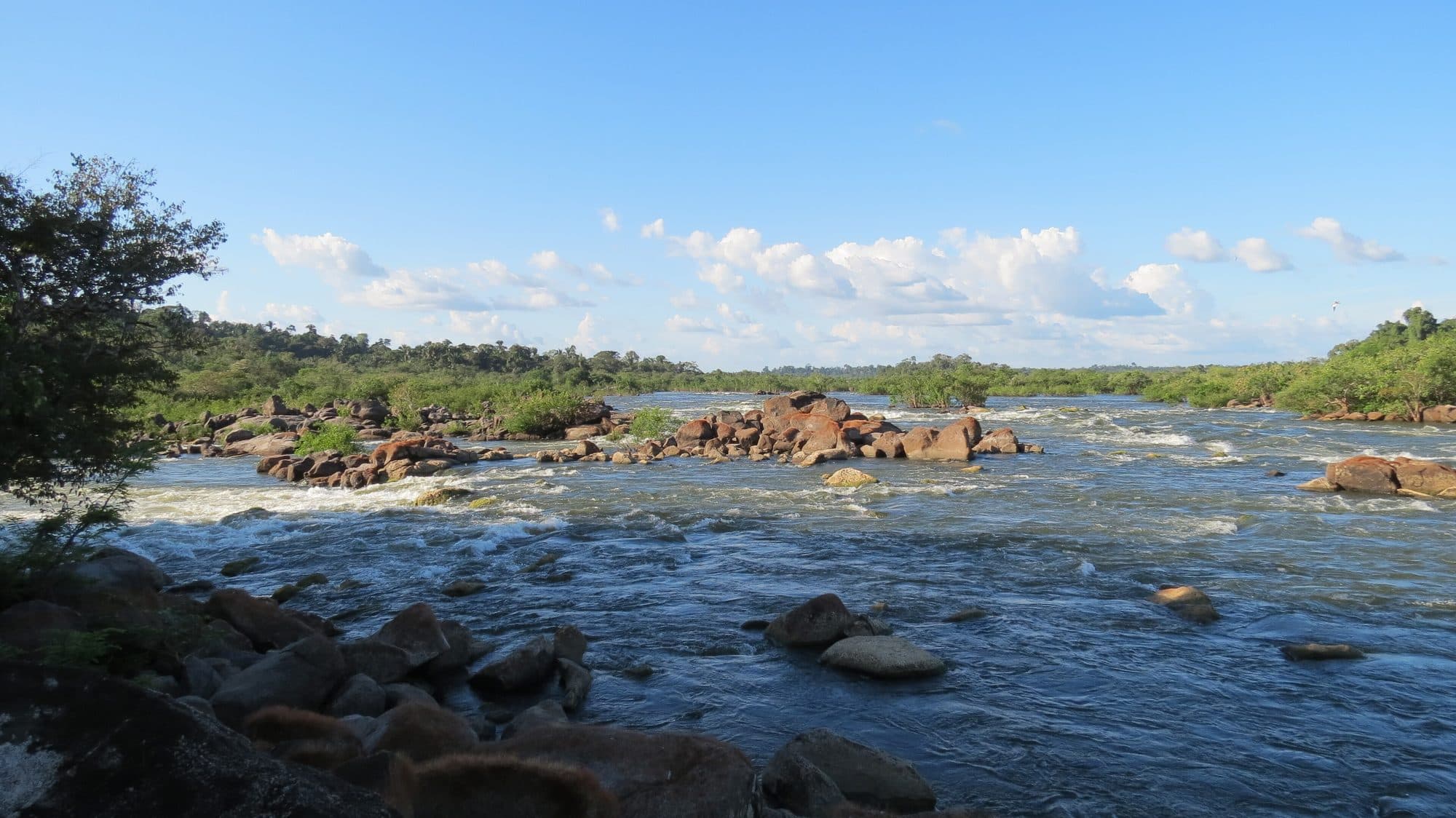
Xingu rapids near Vitória do Xingu (Pará): rocks, channels and clear water.
Photo: Fred Almeida2016, CC BY-SA 4.0, via Wikimedia Commons
Clear-water rapids
Xingu rapids, the river of plecos
Pará, Brazil
A clear-water tributary of the Amazon tumbling over rock slabs, in warm, highly oxygenated water: the Volta Grande, the only refuge of the zebra pleco.
The habitat
The Xingu flows down from the Brazilian plateau to the Amazon, which it joins in the state of Pará. Downstream of Altamira it makes a great bend, the Volta Grande, through a series of rapids: channels, rocky islands, slabs and boulders resting on sand, between which the water speeds up.
It is a clear-water river, transparent and poor in sediment, very different from the black water of the Rio Negro. Since 2016, the Belo Monte dam has diverted much of the flow of the Volta Grande, the only known habitat of the zebra pleco, listed as critically endangered by the IUCN.
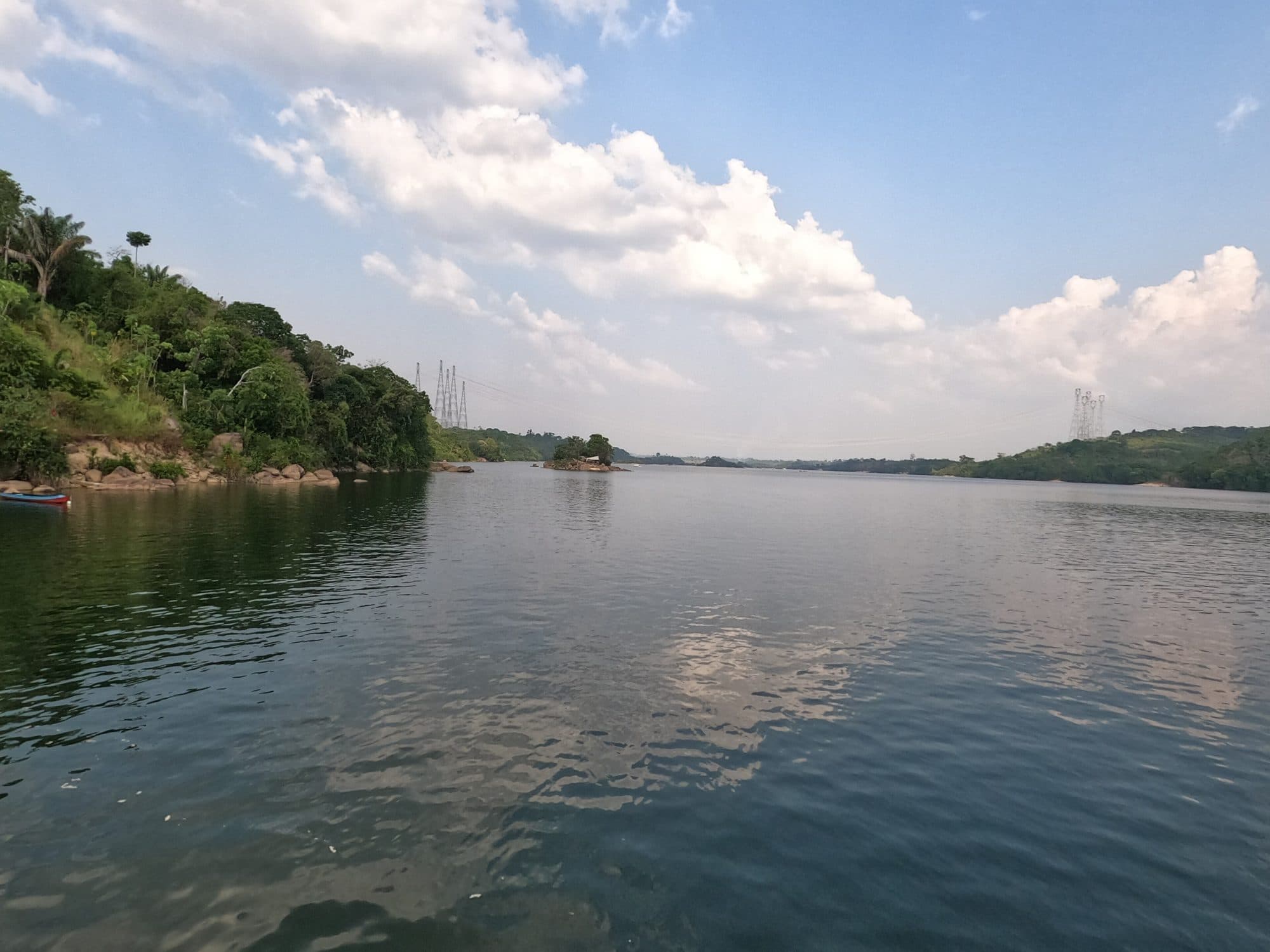
The Xingu between the two sites of the Belo Monte dam.
Photo: Túllio F, CC BY-SA 4.0, via Wikimedia Commons
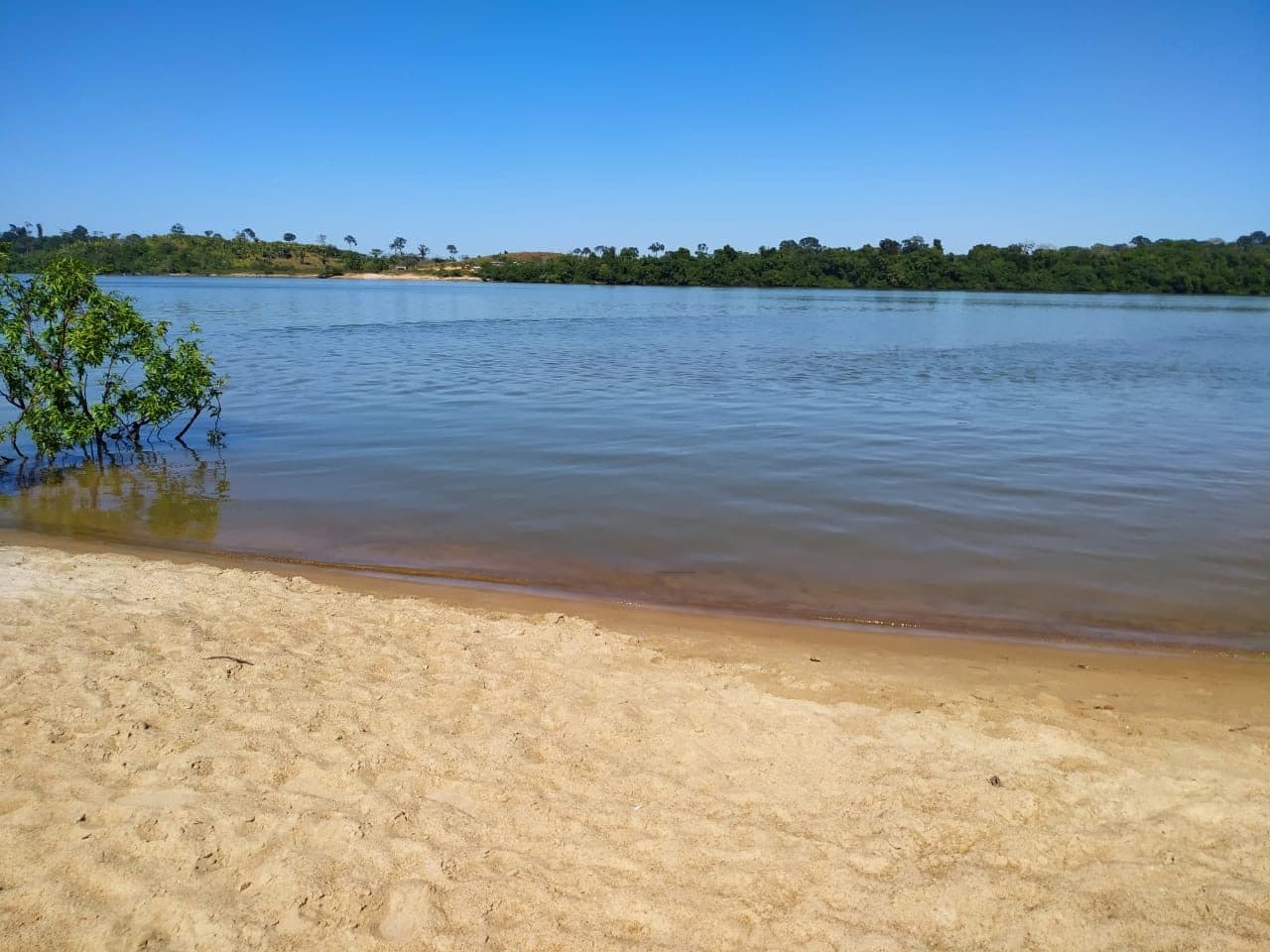
A sandy beach on the Xingu: the clear water shows the bottom.
Photo: Lucyanno S Arriel, CC BY-SA 4.0, via Wikimedia Commons
The water
Rodrigues-Filho and colleagues (2015) monitored the water quality of the basin from 2012 to 2014, before the dam was filled. At the river stations, the pH ranged from 5.0 to 8.4 (6.95 on average), conductivity stayed very low, at 10 to 80 µS/cm (30 on average), and the water was warm: 27 to 33 °C. It is also transparent and well oxygenated.
In the aquarium, aim for soft, near-neutral, warm water with strong water movement: rapids fish cope poorly with a lack of oxygen.
Who lives here
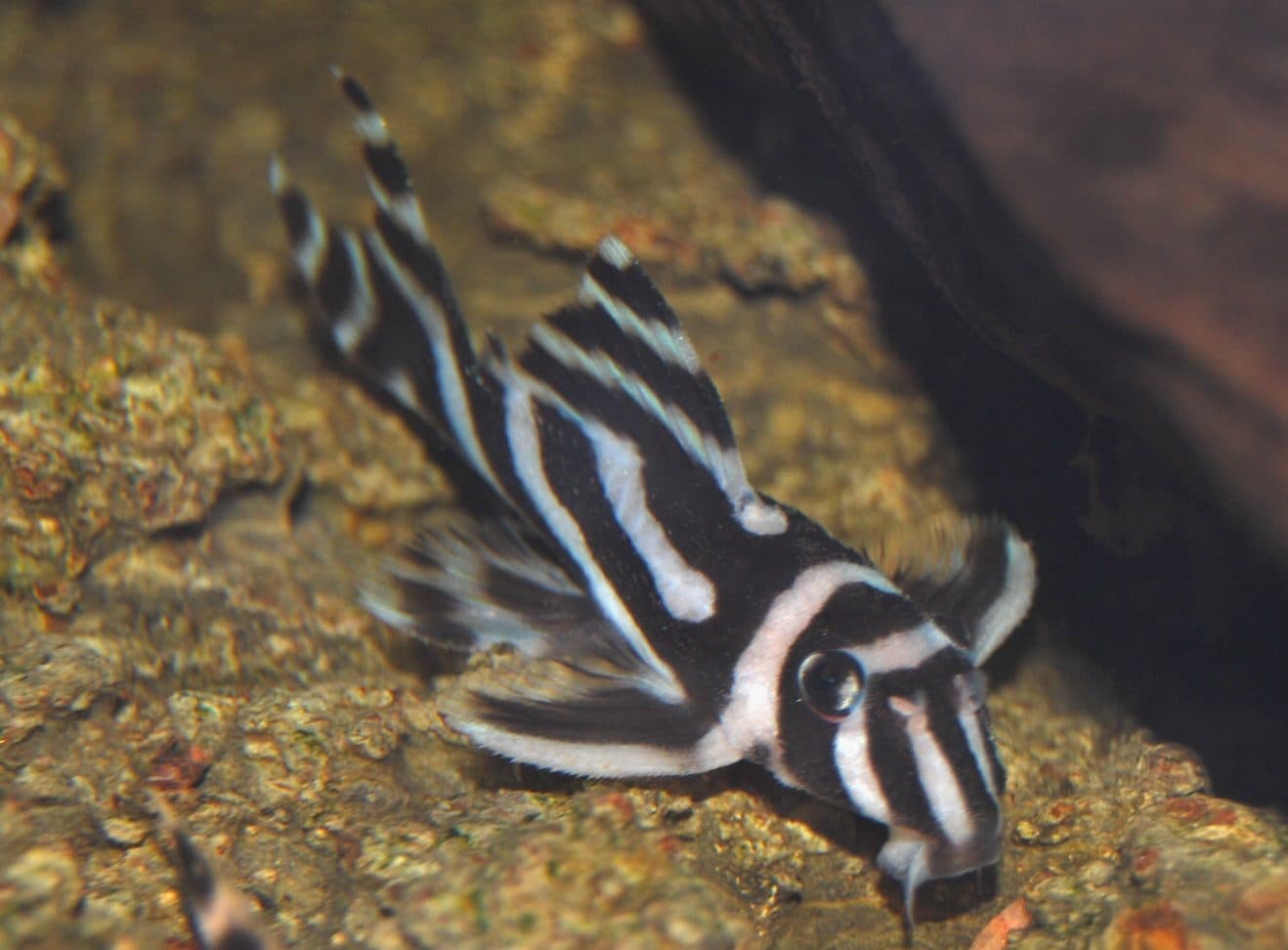
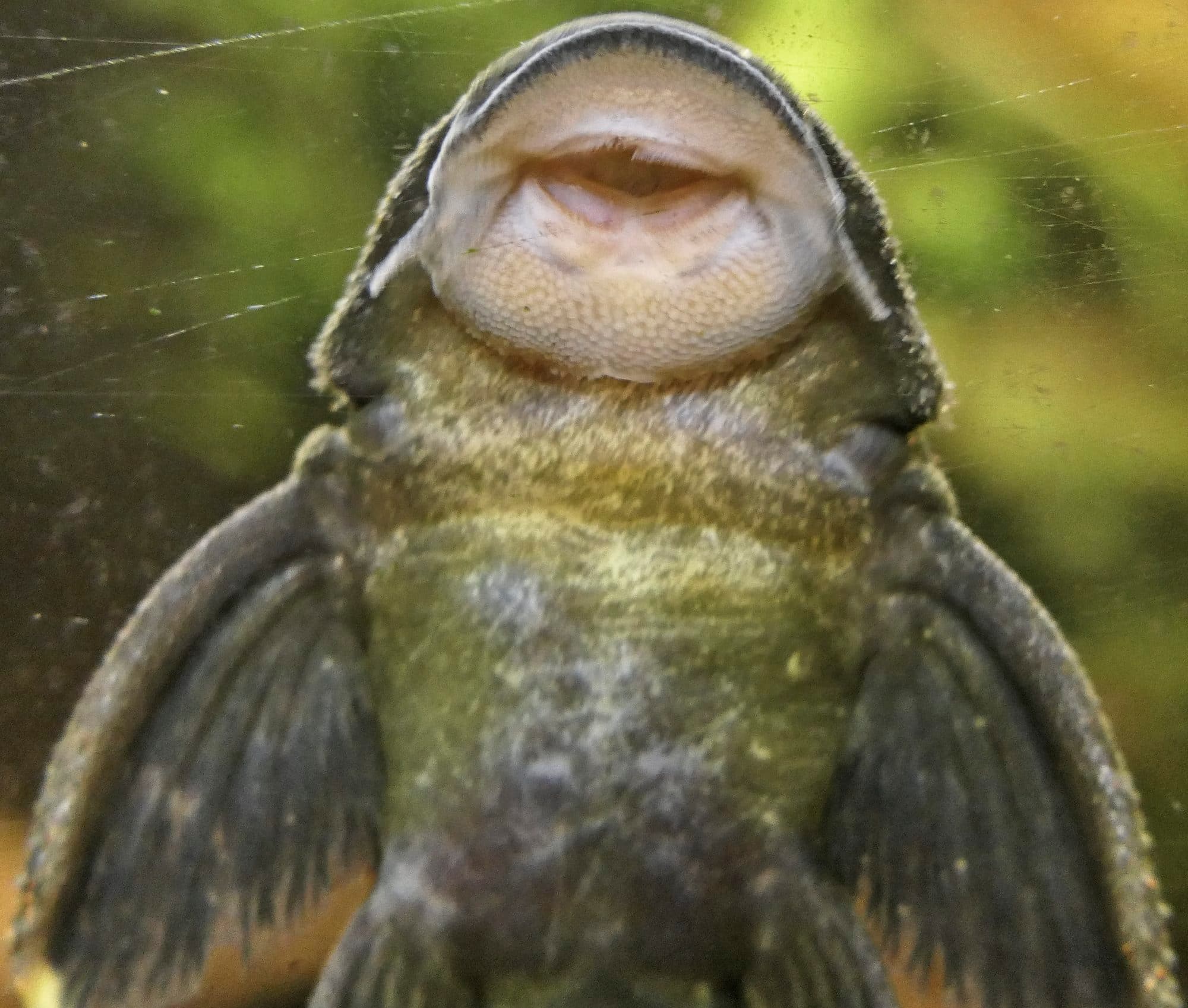
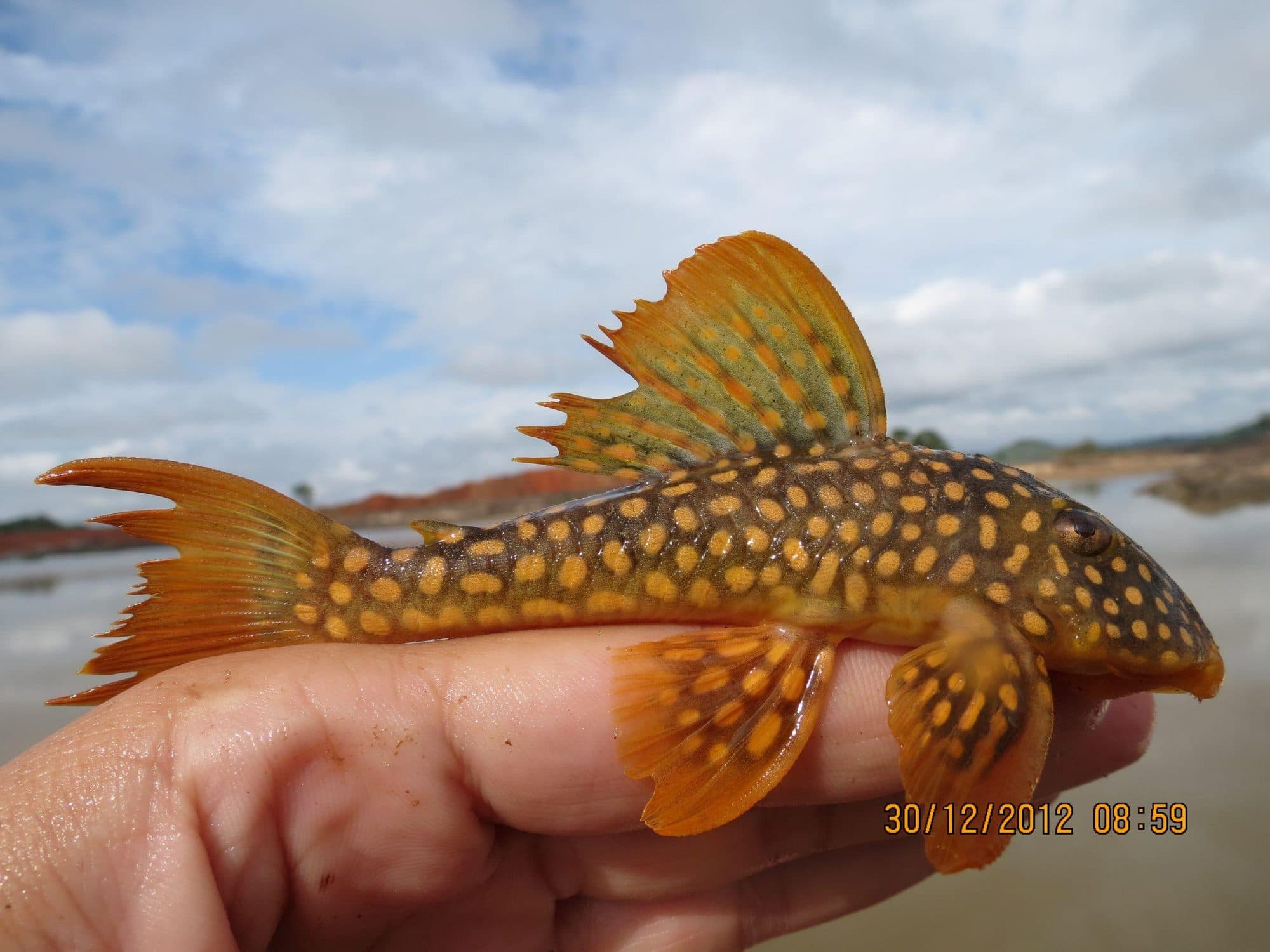
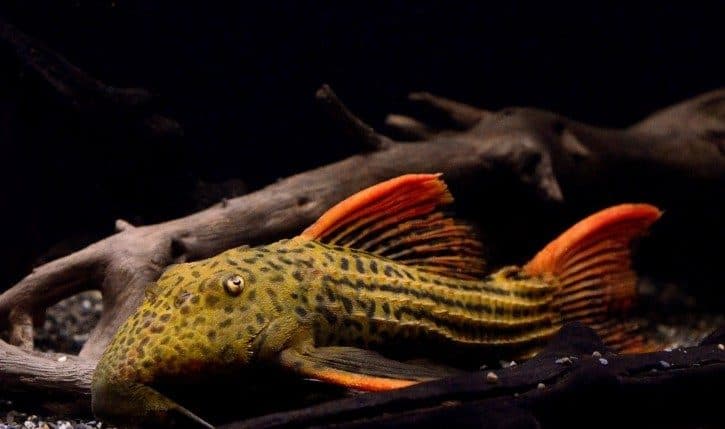
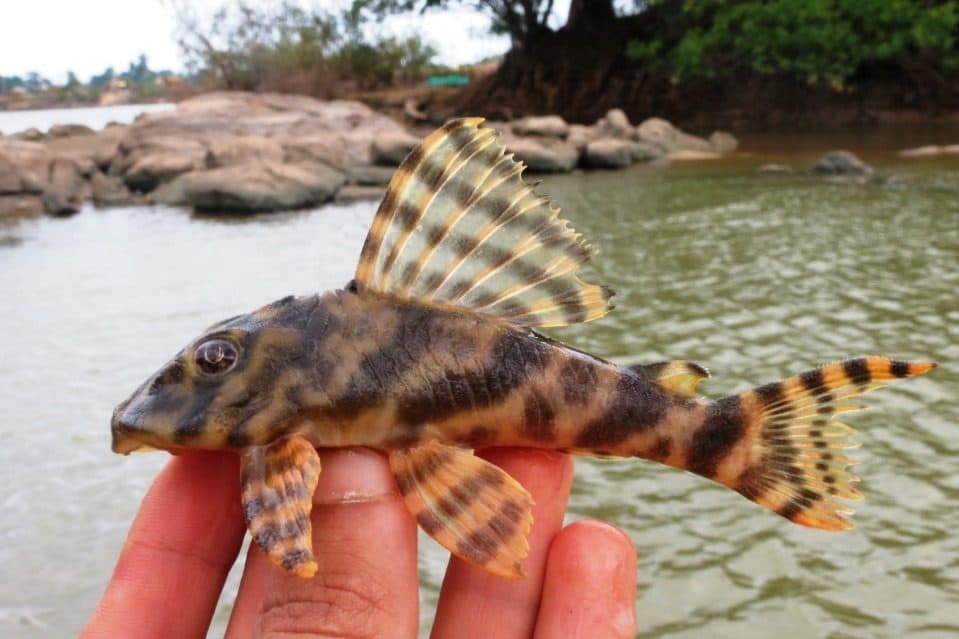
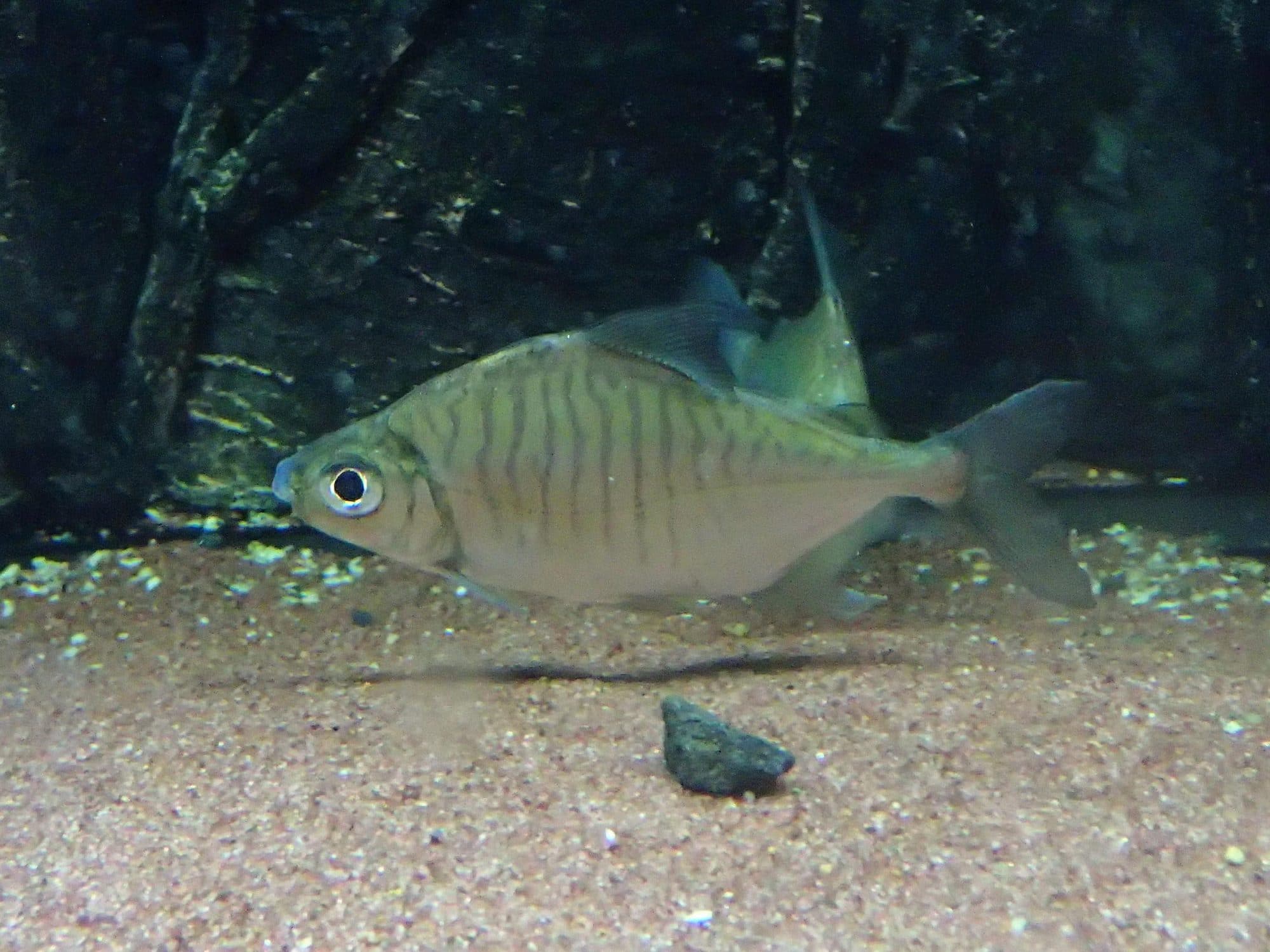
The Xingu is famous for its loricariids, known to aquarists by "L" numbers. The zebra pleco (Hypancistrus zebra, L46), mostly carnivorous, lives in the cracks of the Volta Grande rocks; Baryancistrus chrysolomus (L47) grazes algae under the large slabs; Scobinancistrus aureatus and Pseudacanthicus pirarara shelter in deep crevices. Peckoltia vittata also lives in other Amazon tributaries. Above them, Acnodon normani, a relative of the pacus that also tears scales off other fish, swims in groups.
In the current, the only underwater plants are podostemads, which cling flat to the rocks of the rapids and cannot be grown in aquariums. No plant or invertebrate of the catalogue lives there.
Fish (6)
Recreating it in an aquarium
- Stacked flat stones with cracks and narrow caves (slate, clay tubes): one shelter per pleco.
- A bottom of pale sand and pebbles, little wood, and no plants, or epiphytes tied to the rocks.
- Soft, warm water (27 to 30 °C), pH 6.5 to 7.5, with a circulation pump and strong oxygenation.
- Protein-rich prey and pellets for the zebra pleco, plant-based food for Baryancistrus.
Example tank
- Volume
- 400 L
- pH
- 6.8
- GH
- 5°
- Temp.
- 28 °C
- 1 × Zebra pleco
- 1 × Mango pleco (L047)
A 400 L tank, mostly for the floor area, with one zebra pleco and one Baryancistrus chrysolomus, which their profiles describe as solitary and territorial. pH 6.8 and 28 °C lie within their shared ranges.
Compatible stocking
Water shared by all species
- pH
- 6.5–7.5
- GH
- 4–8°
- Temp.
- 26–29 °C
Good to know
- Biotope tank: every species comes from South America.
Tanks recreating it
Aquarists present their tanks on video, often modelled on one precise site. The videos are hosted by YouTube, and the player only loads when you click.
Biotope Aquarium · YouTube
Tropical Fish Hub · YouTube
Sources
Species are listed from their profiles (FishBase, Seriously Fish) or, for plants, from GBIF records in the region; the example tank is checked by the simulator's rules.
- Rodrigues-Filho et al. (2015), Spatial patterns of water quality in Xingu River Basin (Amazonia) prior to the Belo Monte dam impoundment. Brazilian Journal of Biology 75(3 suppl. 1), table 3 (stations of the Xingu River, 2012-2014)
- Seriously Fish: Hypancistrus zebra
- Seriously Fish: Baryancistrus chrysolomus