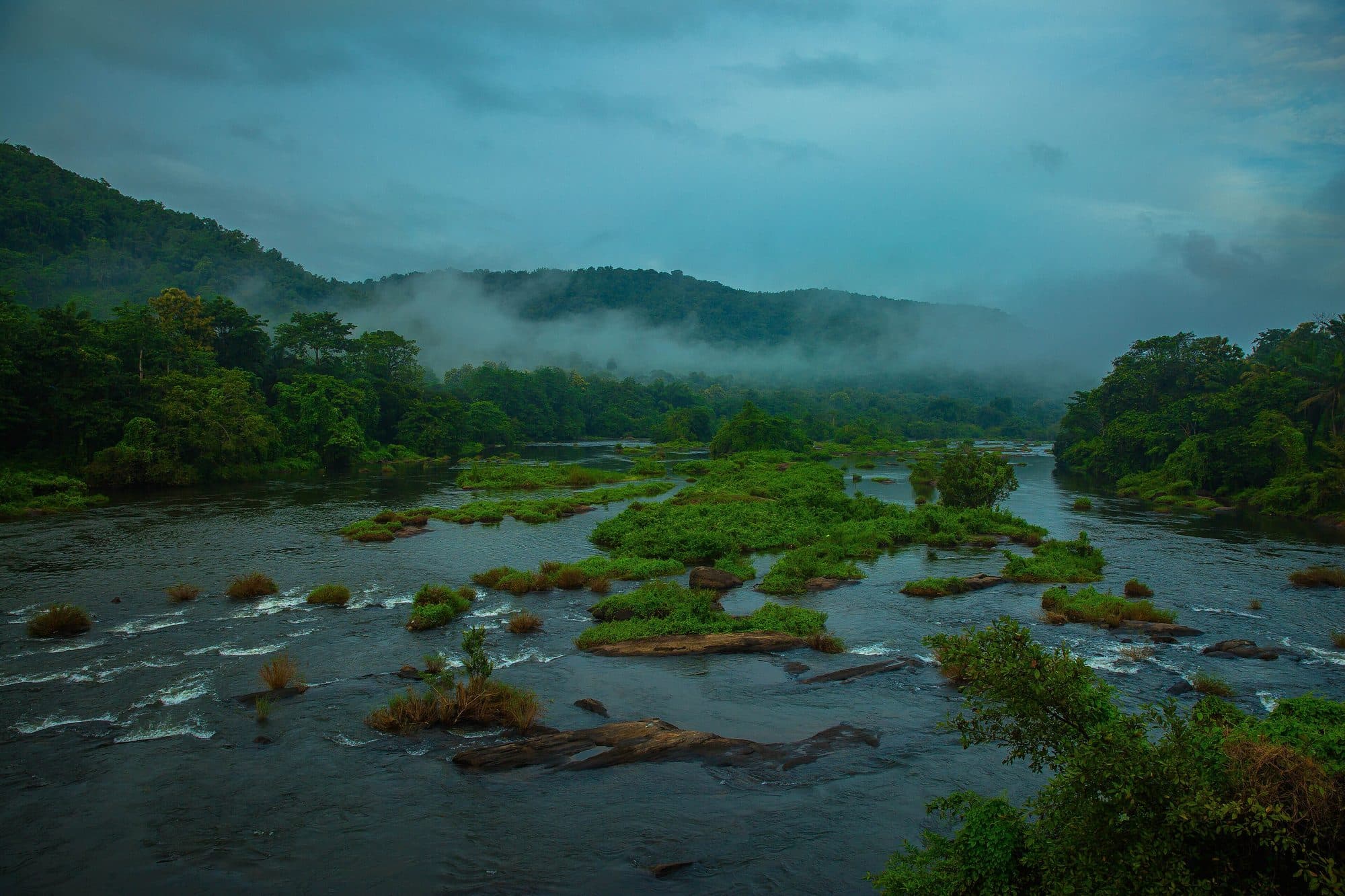
The Chalakudy in the Vettilapara area: boulders, rapids and Ghats forest in the mist.
Photo: Jan Joseph George, CC BY-SA 4.0, via Wikimedia Commons
Monsoon rivers
Rivers of the Western Ghats
Kerala and Karnataka, India
Rocky rivers running down the mountains of southwestern India and swelling with each monsoon: home of the Denison barb and the Malabar pufferfish.
The habitat
The Western Ghats form a mountain range parallel to the southwest coast of India, one of the great biodiversity hotspots of the planet. The southwest monsoon brings most of the rain, from June to September: Kerala rivers such as the Chaliyar, the Chalakudy or the Periyar swell, then fall again, leaving pools between the rocks in the dry season.
In their middle course, clear water runs over slabs, pebbles and sand under dense vegetation. Further down, the rivers slow down in the coastal plains and the backwaters, where the water turns brackish.
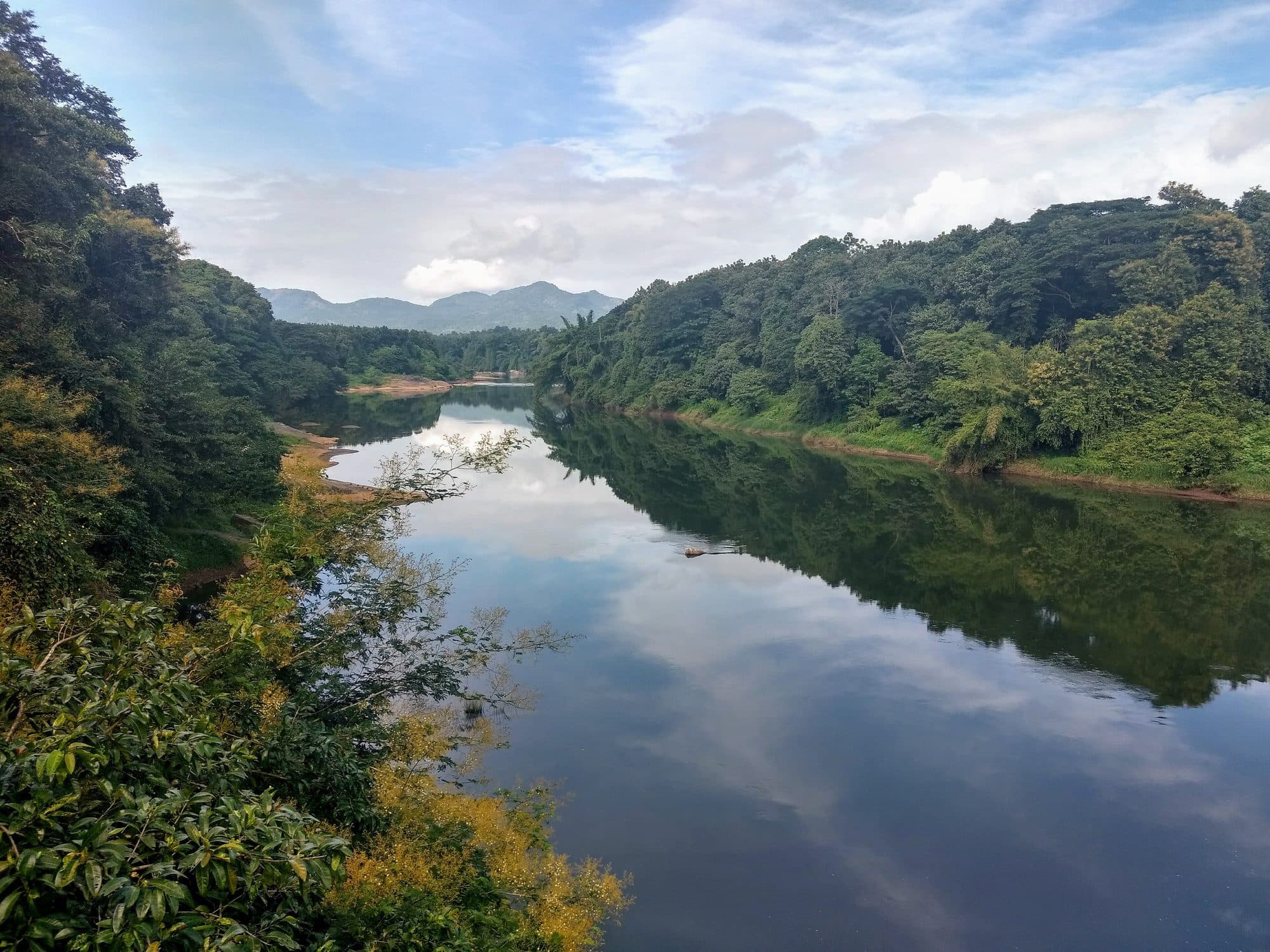
The Chaliyar near Nilambur, at the foot of the Ghats.
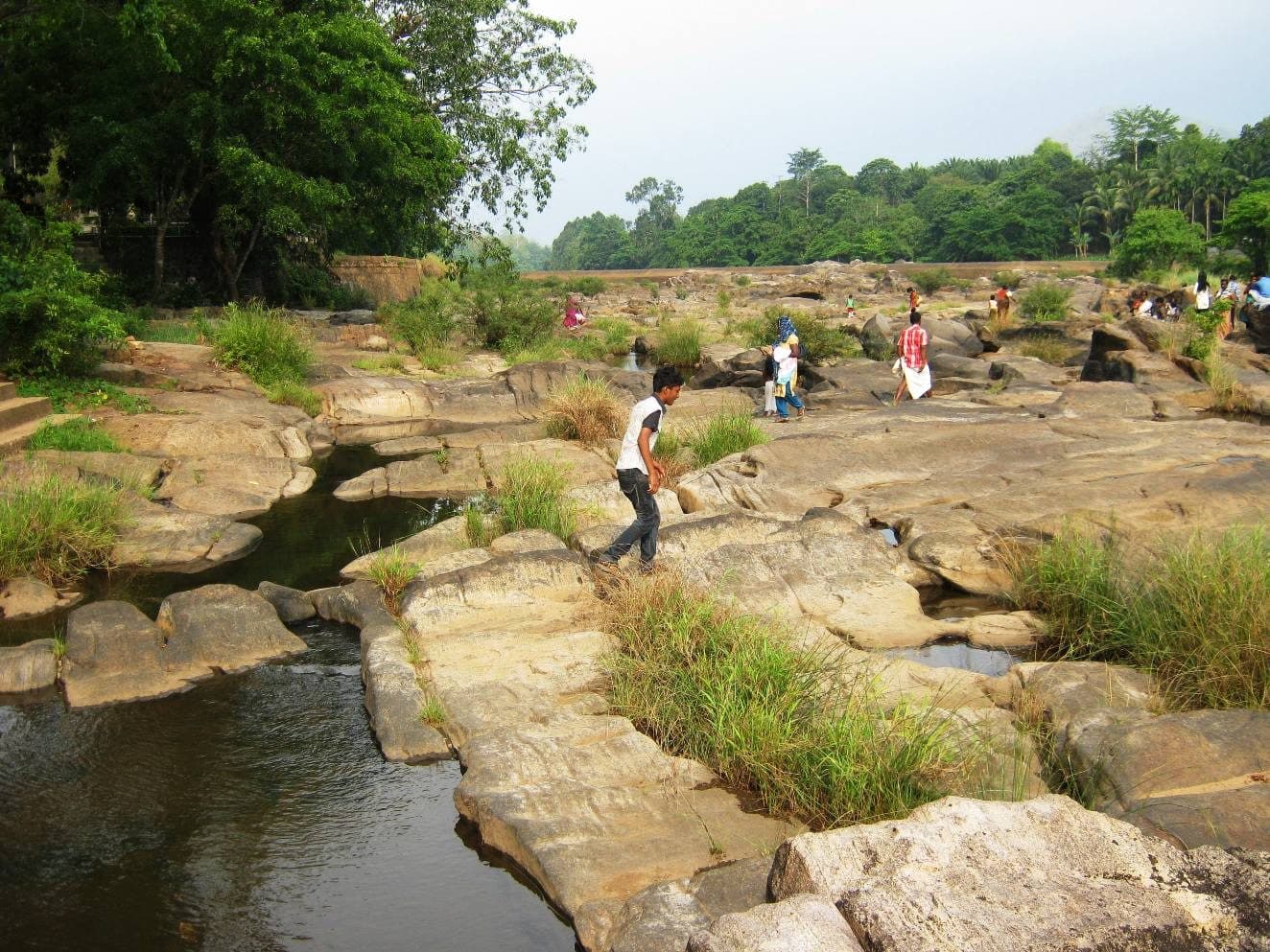
Slabs and pools of the Chalakudy at Thumboormuzhi.
Photo: Jaseem Hamza, CC BY 3.0, via Wikimedia Commons
The water
The profiles of these fish describe clear, highly oxygenated water, soft to moderately hard, pH 6.5 to 7.8, and cool for the tropics: 15 to 25 °C for the Denison barb.
The monsoon renews the water every year, with sudden floods; in the dry season, isolated pools warm up.
Who lives here
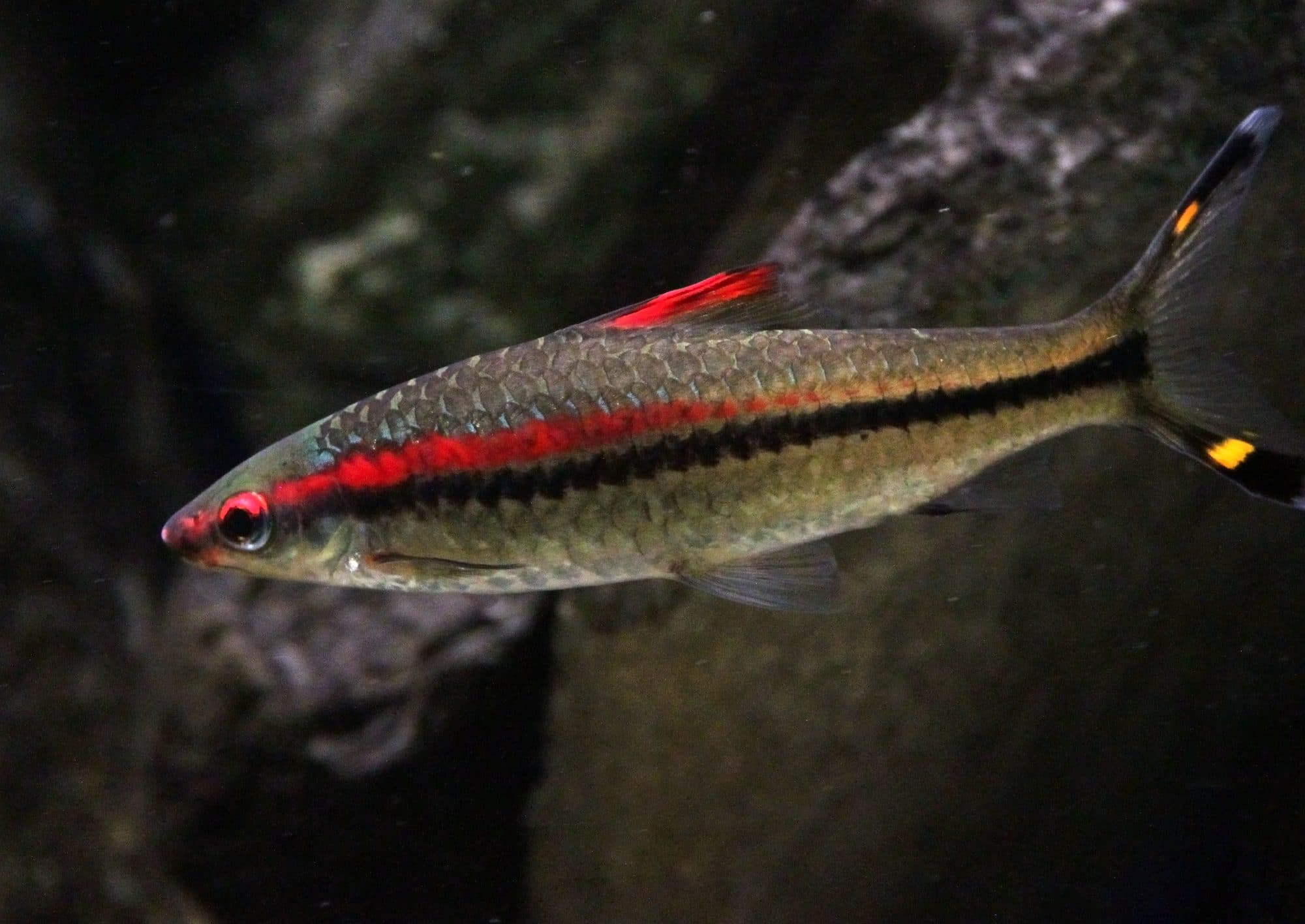
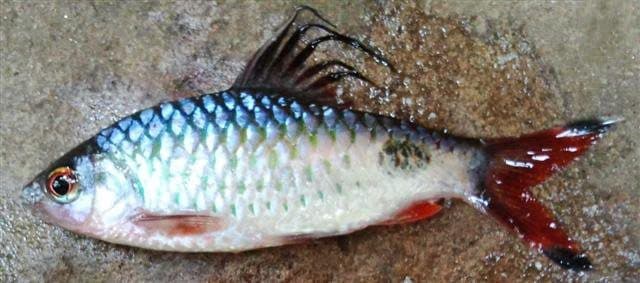
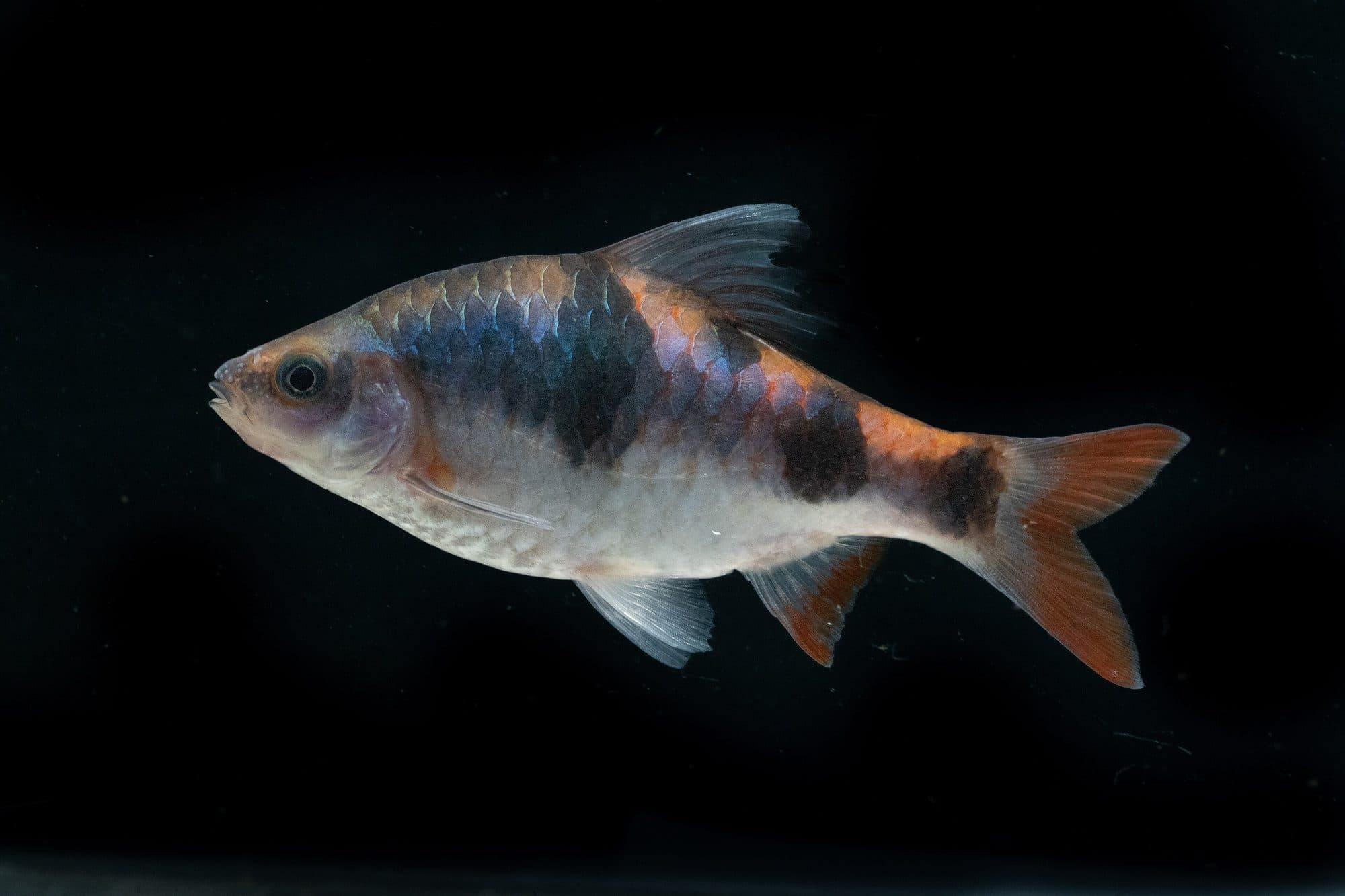
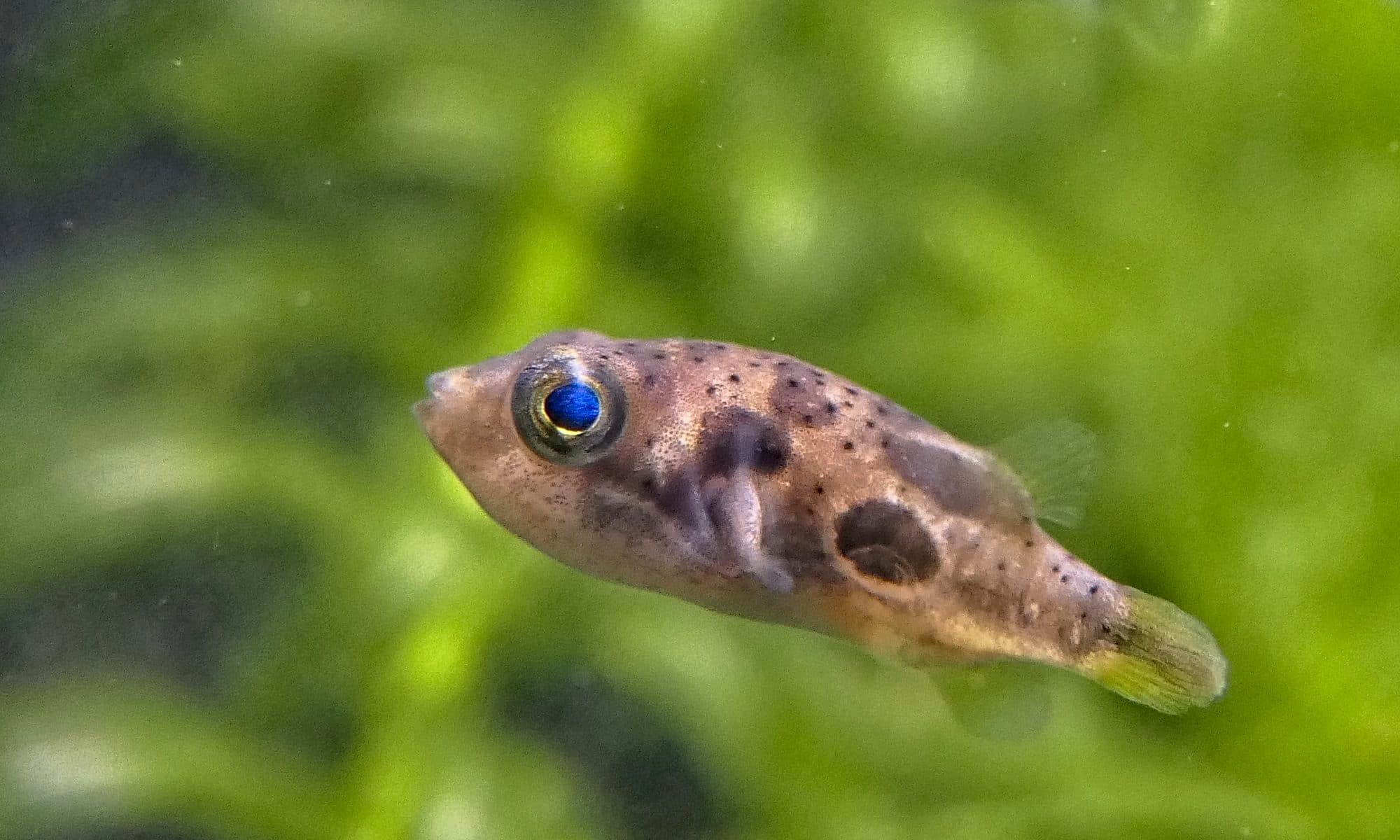
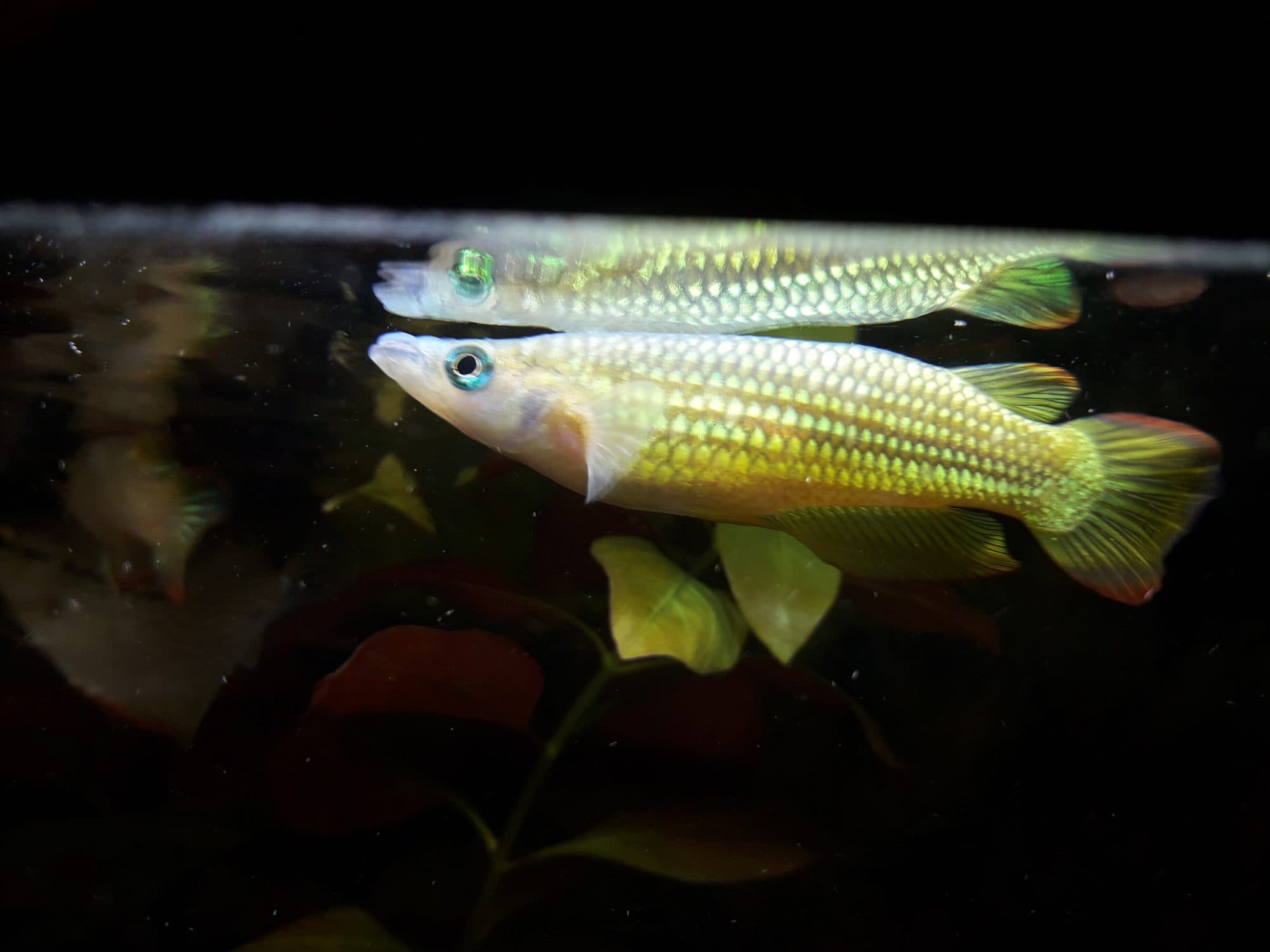
The Denison barb (Sahyadria denisonii), listed as endangered by the IUCN, gathers in rocky pools; the filament barb (Dawkinsia filamentosa) shoals down to the coastal plains, and the Arulius barb (D. arulius) lives on the eastern slope, in the Kaveri basin. The Malabar pufferfish (Carinotetraodon travancoricus) favours slow, densely vegetated water, and the striped panchax (Aplocheilus lineatus) waits for prey just below the surface.
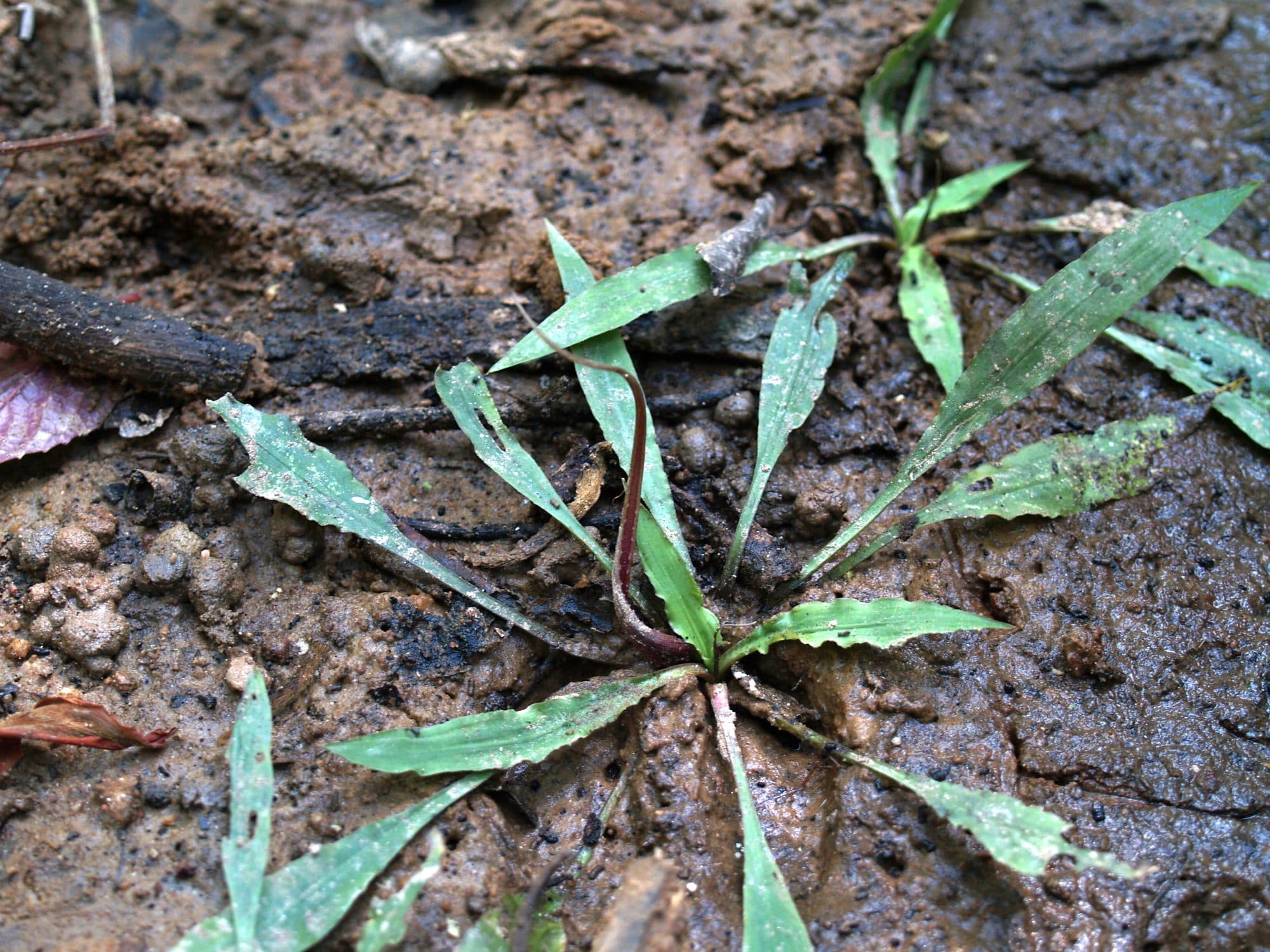
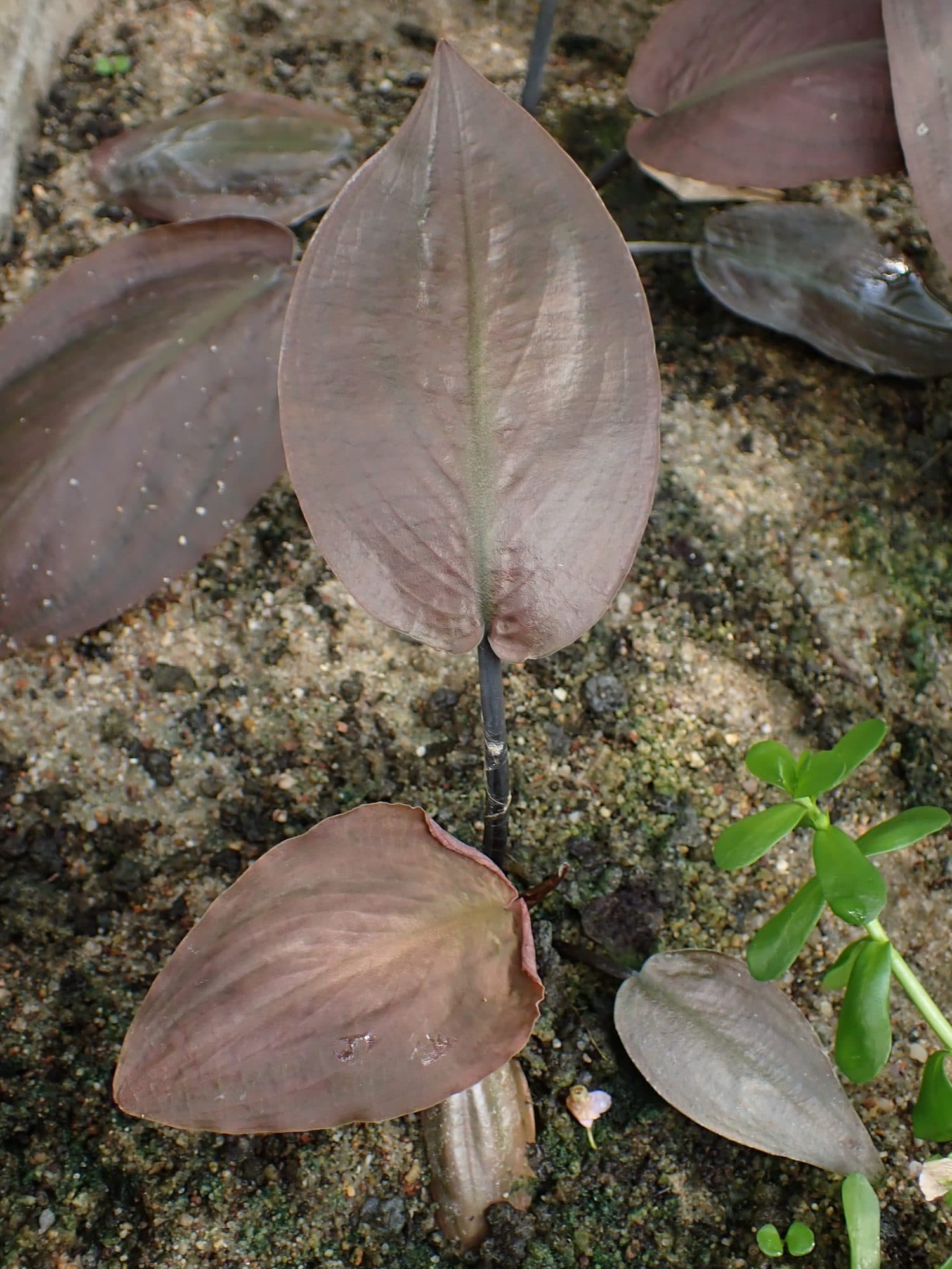
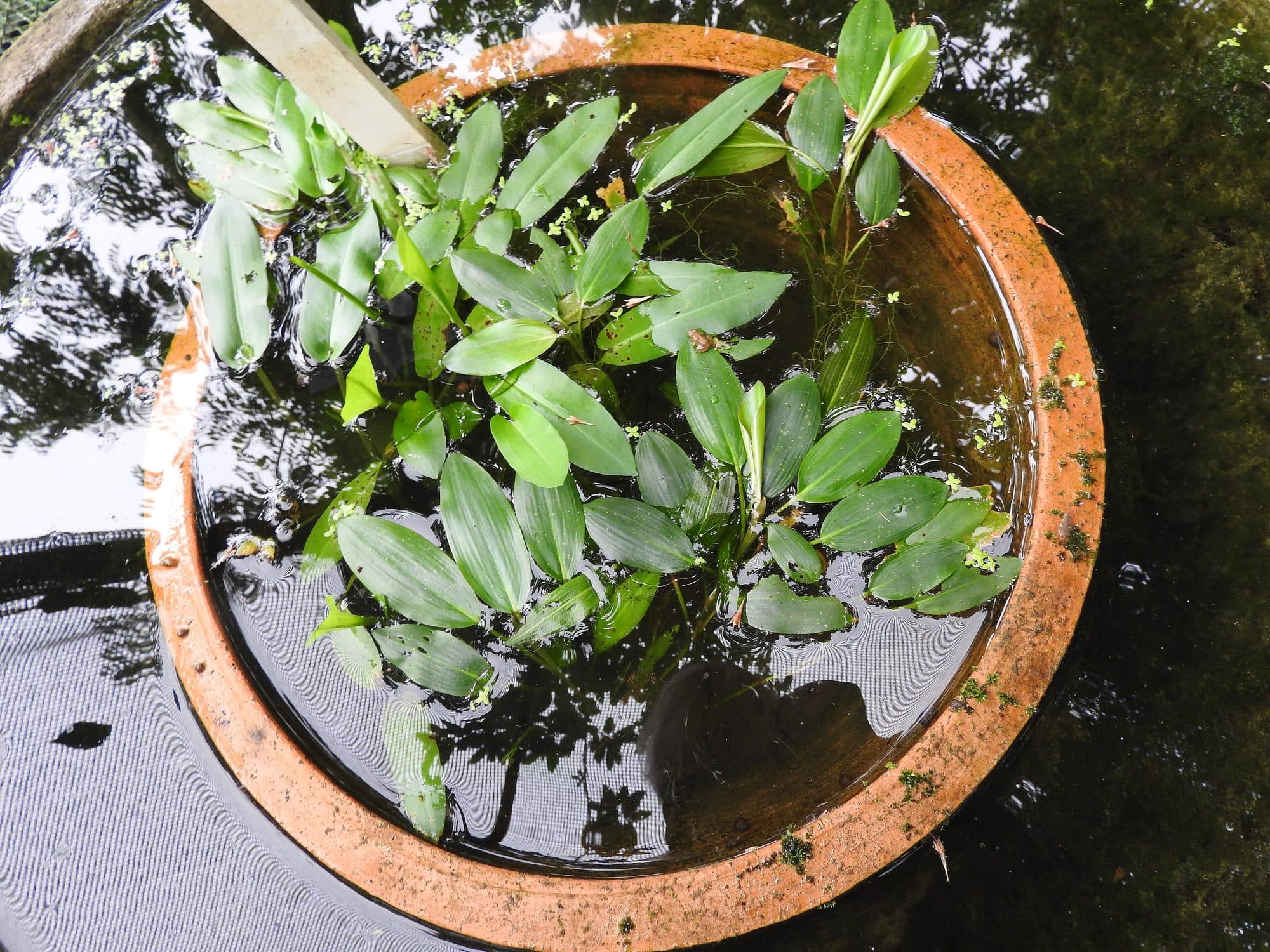
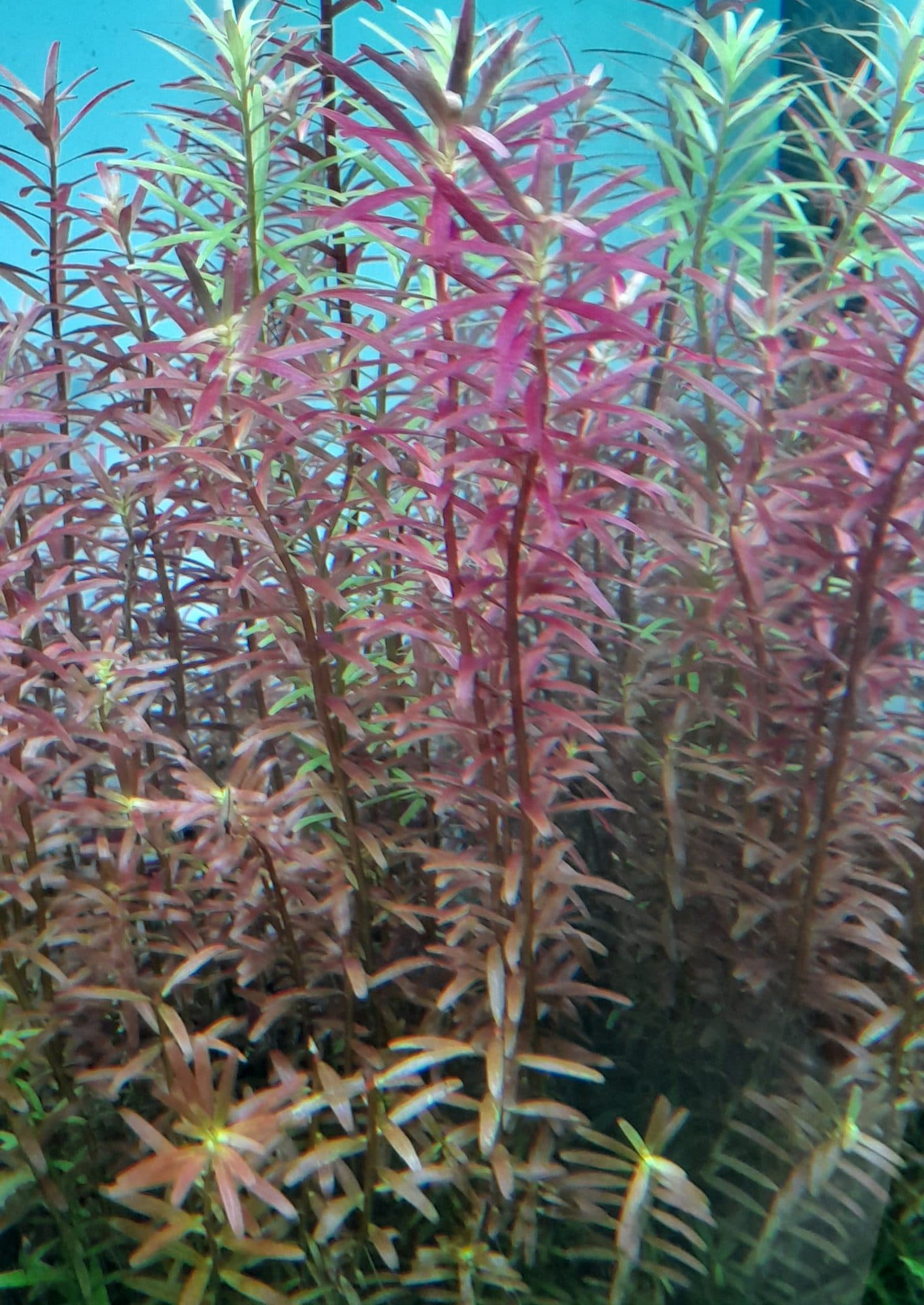
Cryptocoryne spiralis and Lagenandra meeboldii grow on the banks and in the riverbeds, spending the dry season out of the water; Aponogeton natans and round-leaf rotala occupy pools and still water. All are recorded in the region according to GBIF.
Fish (5)
Plants (4)
Recreating it in an aquarium
- A bottom of sand and pebbles, rounded stones and a few roots; plants along the sides and open swimming space in the middle.
- Clear, soft to moderately hard water, pH 6.5 to 7.5, between 22 and 25 °C, well oxygenated and with a moderate current.
- A large tank: Denison and filament barbs swim constantly and live in shoals of 8 to 10.
- The Malabar pufferfish, a fin nipper, in its own planted tank.
Example tank
- Volume
- 450 L
- pH
- 7
- GH
- 8°
- Temp.
- 23 °C
- 8 × Denison barb
- 10 × Filament barb
- Cryptocoryne spiralis
- Lagenandra meeboldii
- Dwarf rotala
A 450 L tank with a shoal of eight Denison barbs and ten filament barbs, Cryptocoryne spiralis, a Lagenandra meeboldii and rotala, in water at pH 7 and 23 °C. Their profiles ask for at least 300 L for each of these barbs.
Compatible stocking
Water shared by all species
- pH
- 6.5–7
- GH
- 5–15°
- Temp.
- 20–25 °C
Good to know
- Biotope tank: every species comes from Asia.
Tanks recreating it
Aquarists present their tanks on video, often modelled on one precise site. The videos are hosted by YouTube, and the player only loads when you click.
Biotope Aquarium · YouTube
Shifu Tanks · YouTube
Sources
Species are listed from their profiles (FishBase, Seriously Fish) or, for plants, from GBIF records in the region; the example tank is checked by the simulator's rules.