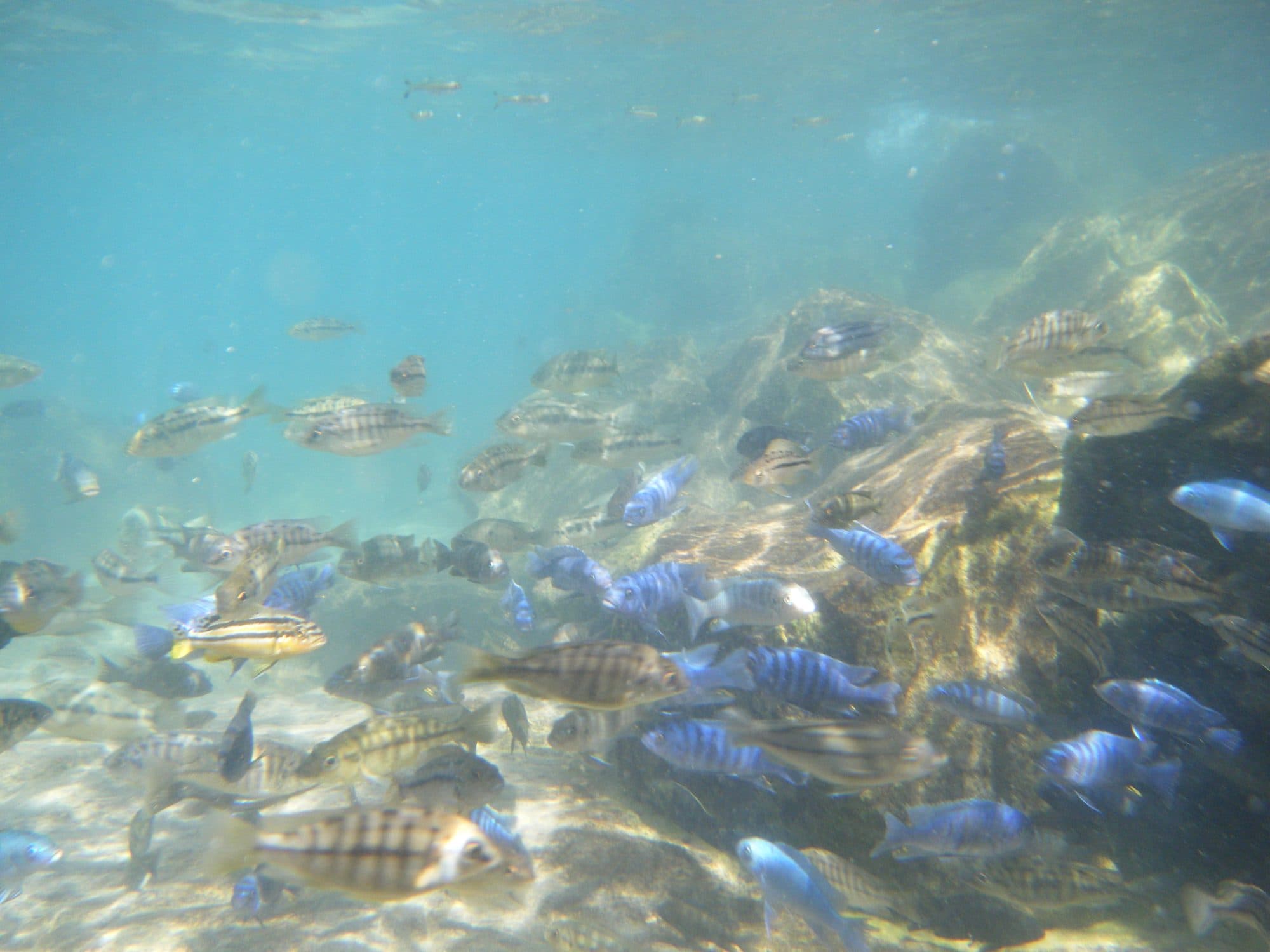
Mbuna at Mitande Rocks, Thumbi West Island, in Lake Malawi National Park.
Photo: Alexandra Tyers, CC BY-SA 2.0, via Wikimedia Commons
Rift lake
Lake Malawi, the rocky shore
Malawi, Mozambique, Tanzania
Algae-covered rock piles in clear, alkaline water: the realm of the mbuna, cichlids found in no other lake.
The habitat
Lake Malawi fills a trough of the East African Rift, between Malawi, Mozambique and Tanzania. Its shores alternate sandy beaches, plant beds and rocky coasts, where boulders of every size are piled up under water.
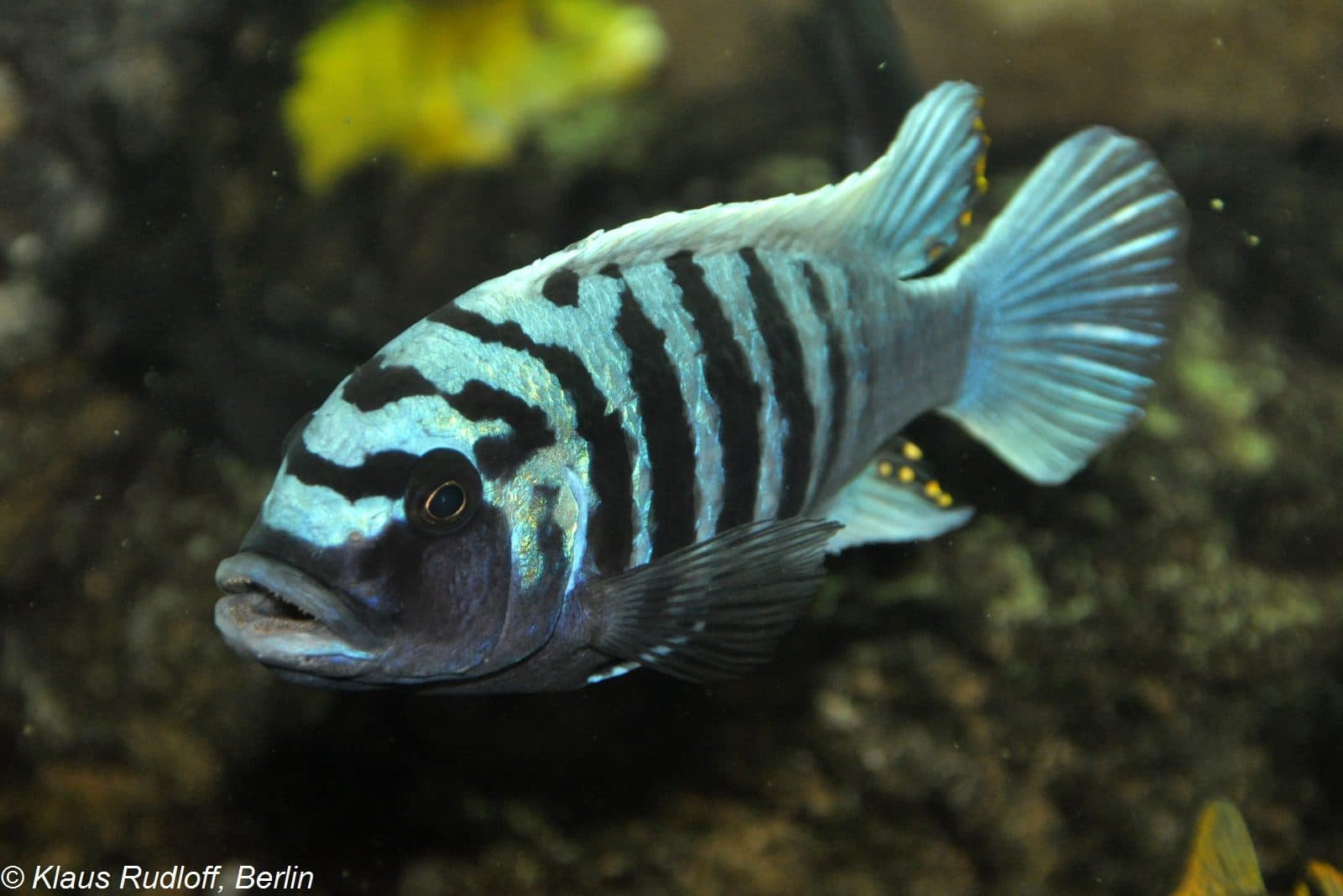
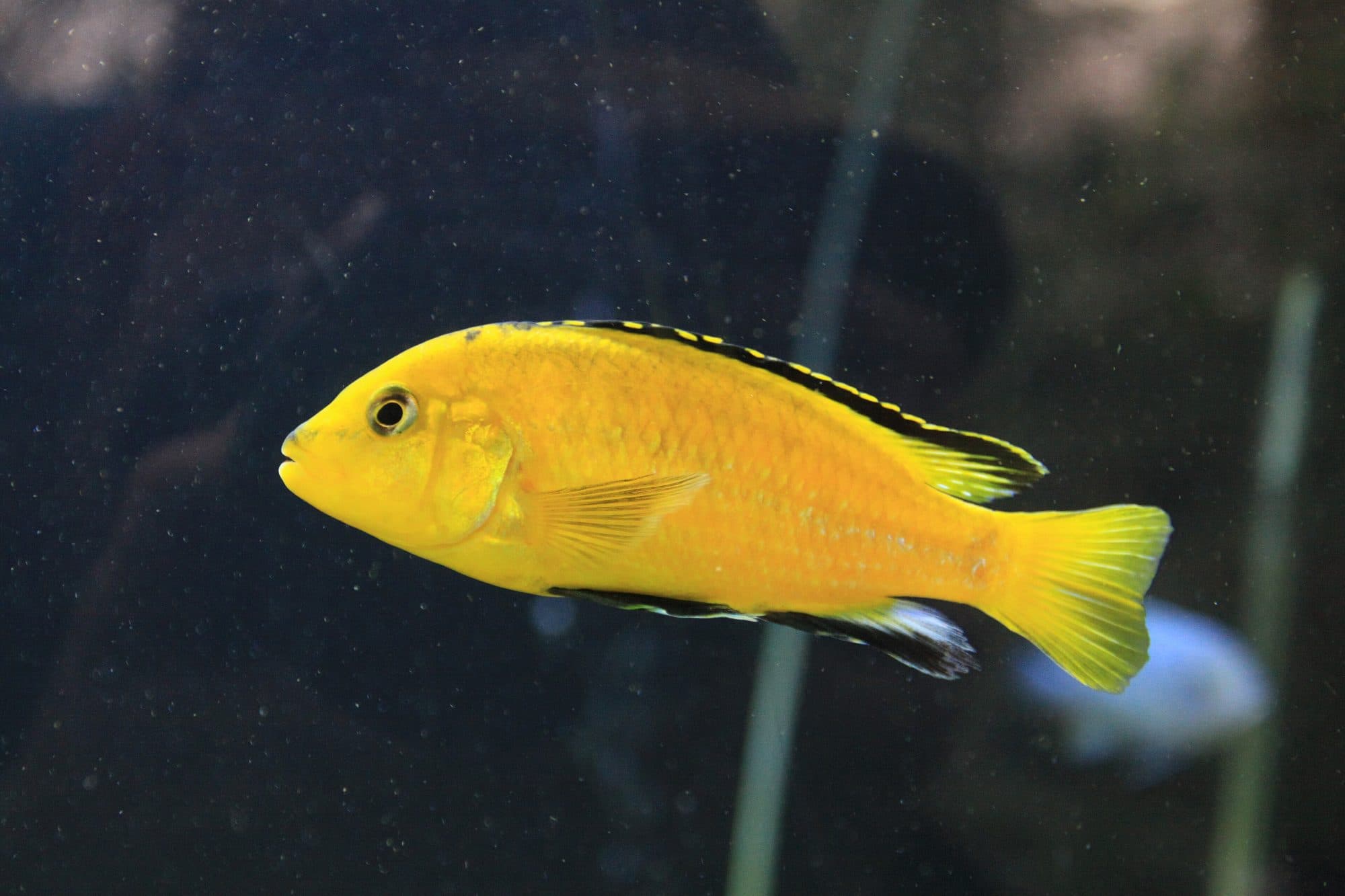
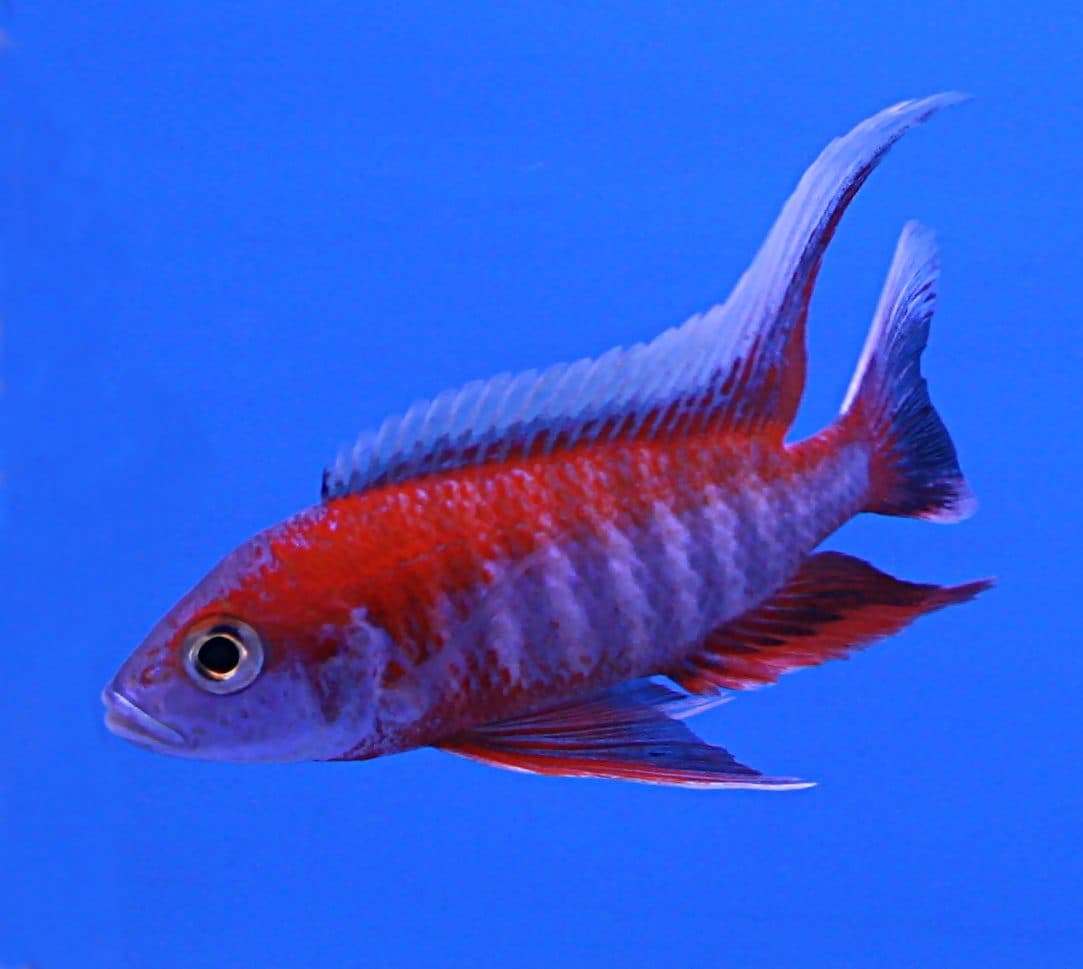
Many mbuna live on a single reef or around a single island: Chindongo saulosi only on Taiwanee Reef near Chizumulu Island, C. demasoni at Pombo Rocks, and the yellow form of Labidochromis caeruleus between Charo and Lion's Cove. Between rocks and sand, the intermediate zone belongs to Aulonocara, which feed above the sand.
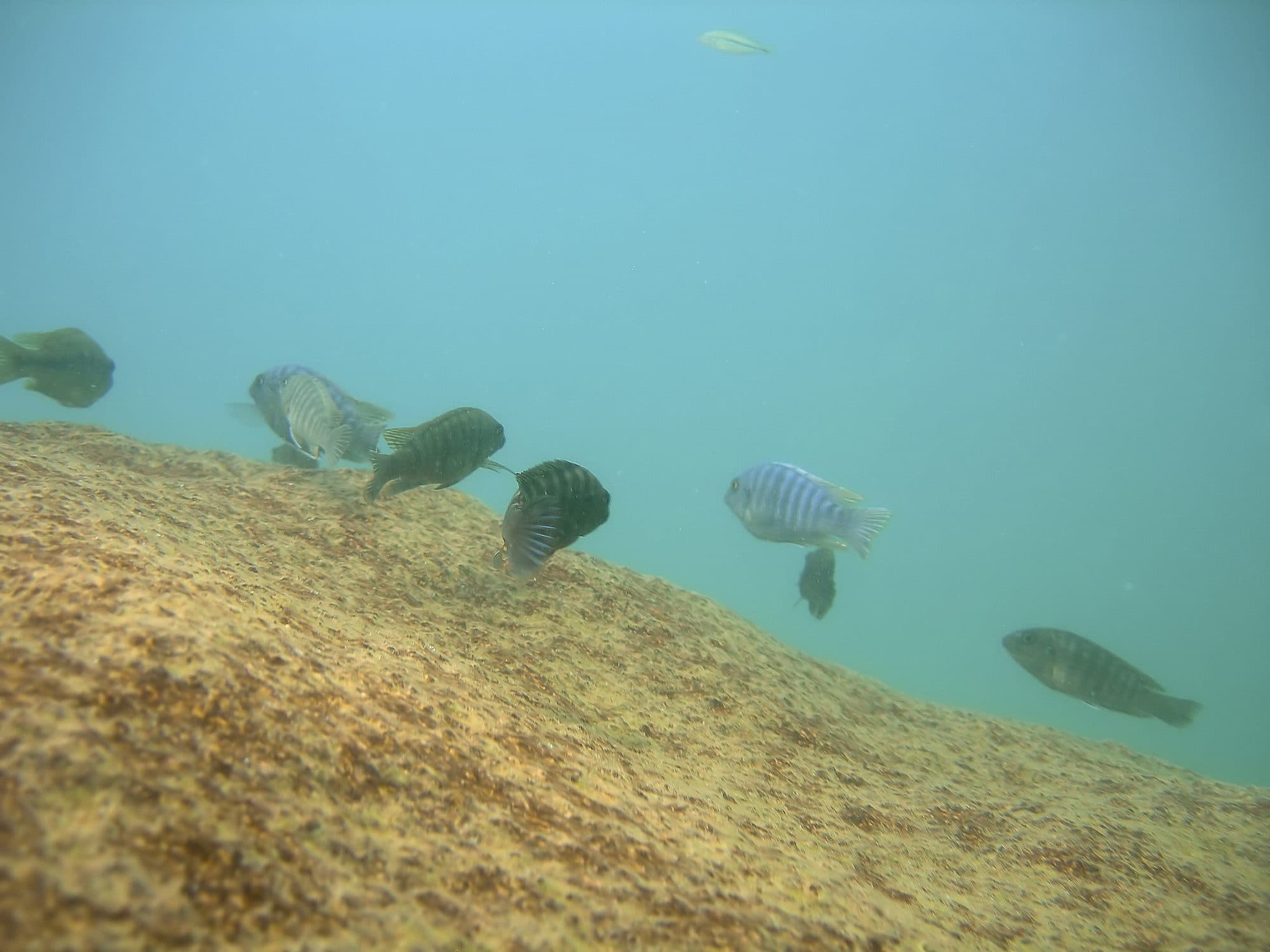
Mbuna grazing aufwuchs on a rock slab in the lake.
Photo: Lars Plougmann, CC BY 2.0, via Wikimedia Commons
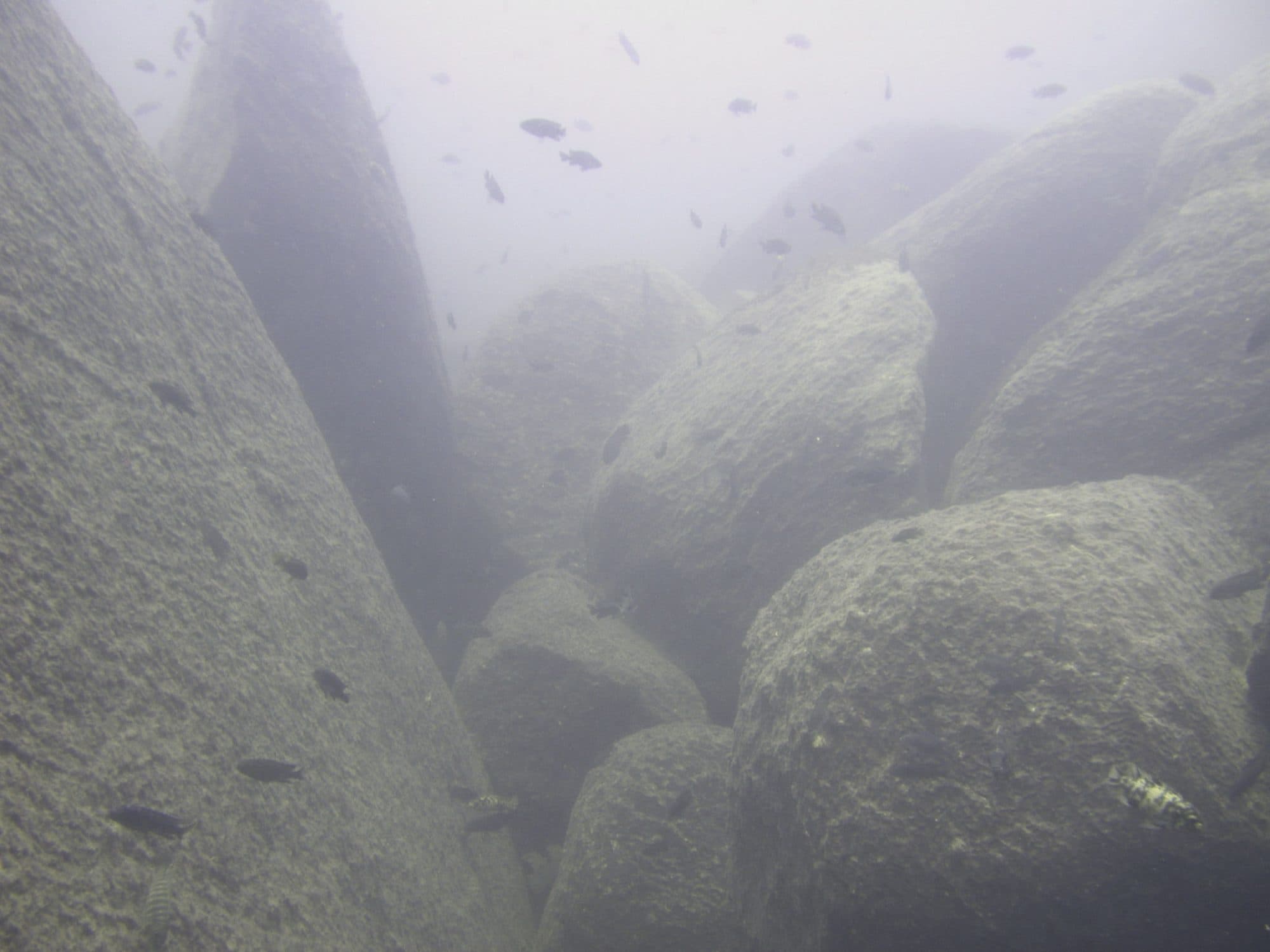
Taiwanee Reef near Chizumulu Island, the only place where Chindongo saulosi lives.
Photo: Peter Hofman at Dutch Wikipedia, CC BY-SA 3.0, via Wikimedia Commons
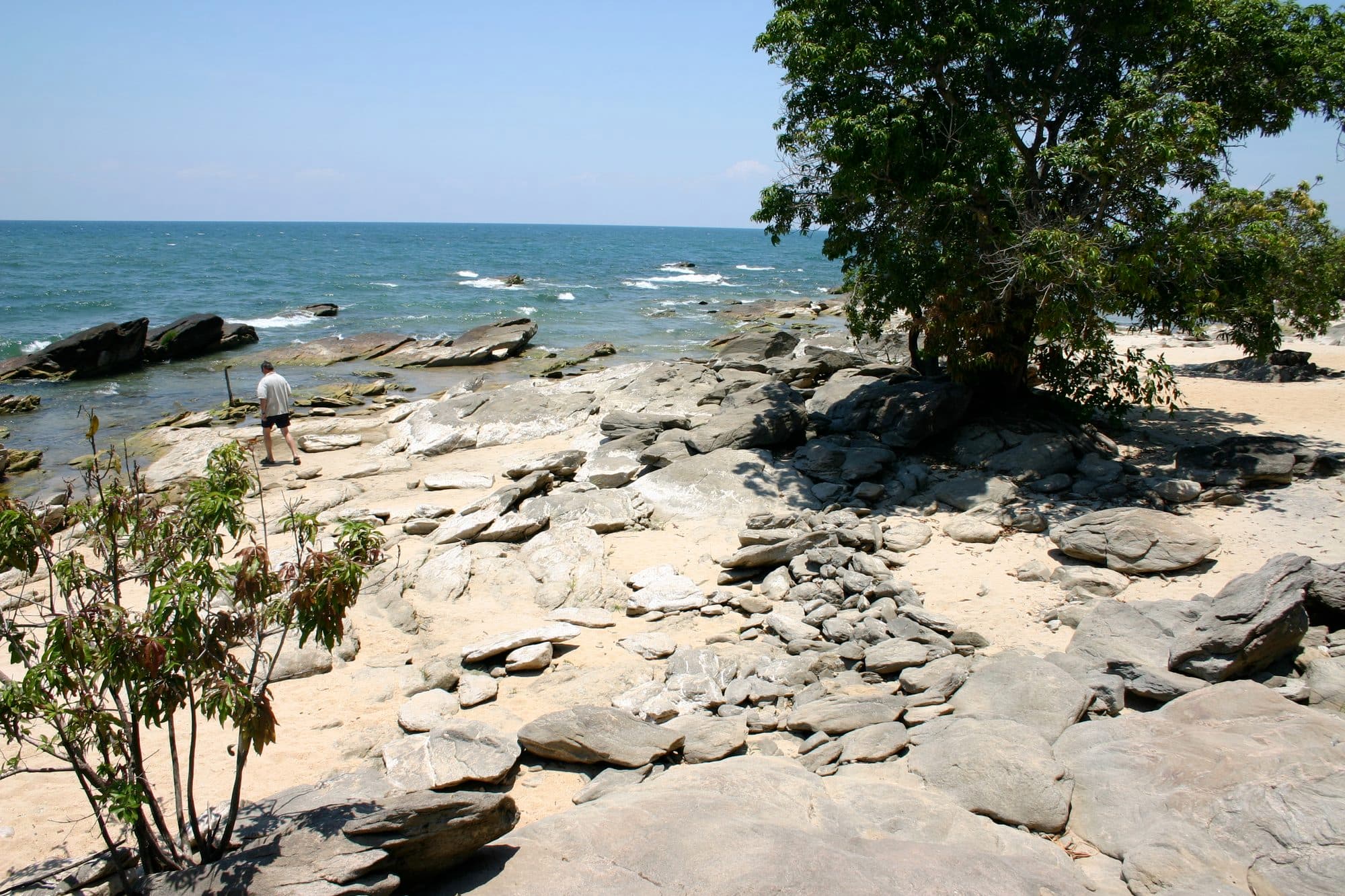
A rocky shore of Lake Malawi.
Photo: i_pinz, CC BY-SA 2.0, via Wikimedia Commons
The water
According to the measurements compiled by Talling and Talling (1965), the lake's surface water has a pH of 8.5 to 8.6 and a conductivity of 210 to 220 µS/cm. It is alkaline but not very hard: 3.4 to 4.8 °dGH for a carbonate hardness of 6.6 to 7.2 °dKH, far below Lake Tanganyika, which exceeds 600 µS/cm.
In aquariums, mbuna are often kept in harder water, as their profiles reflect: they cope with it as long as the pH stays clearly alkaline and stable.
Who lives here
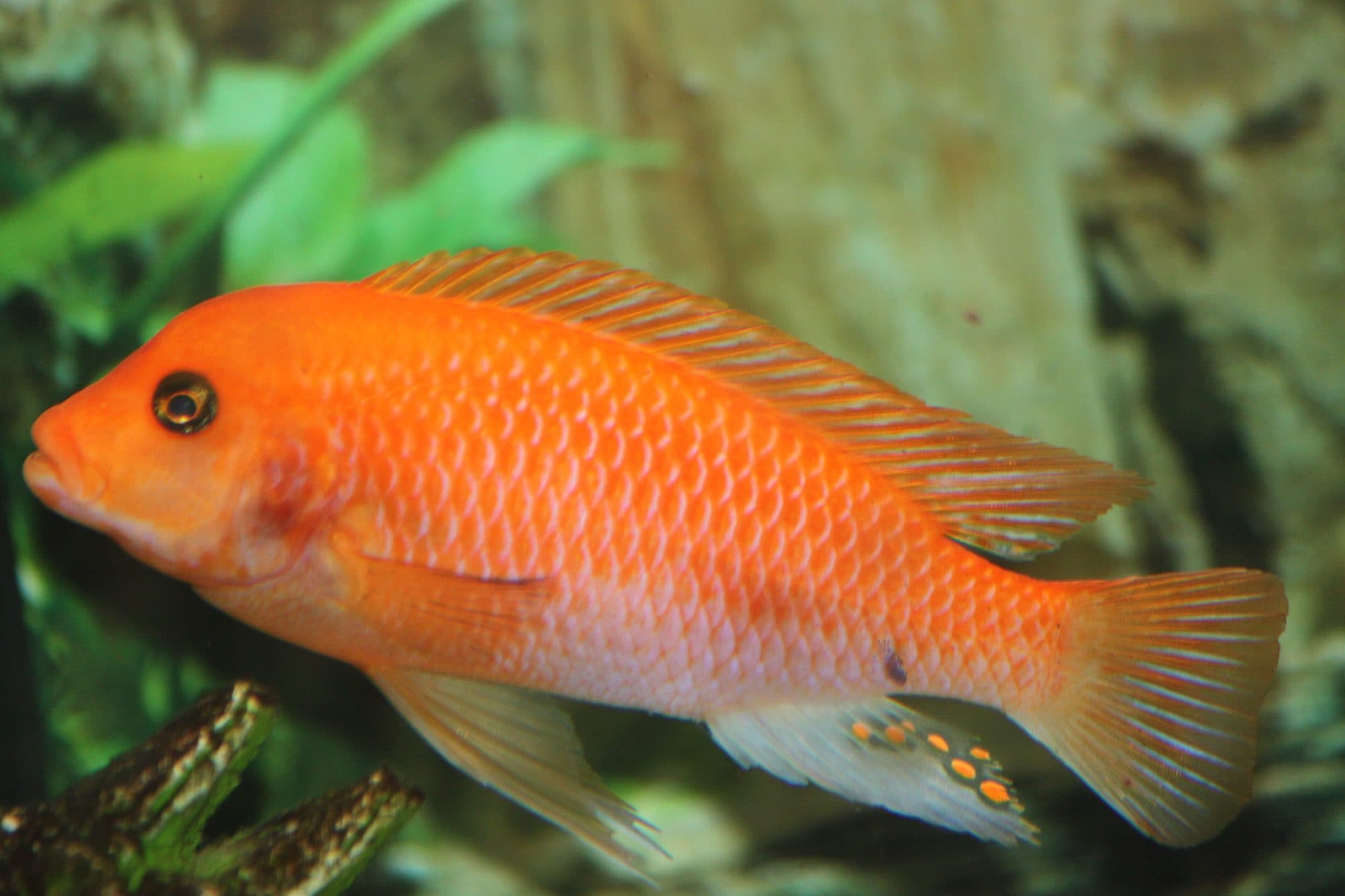
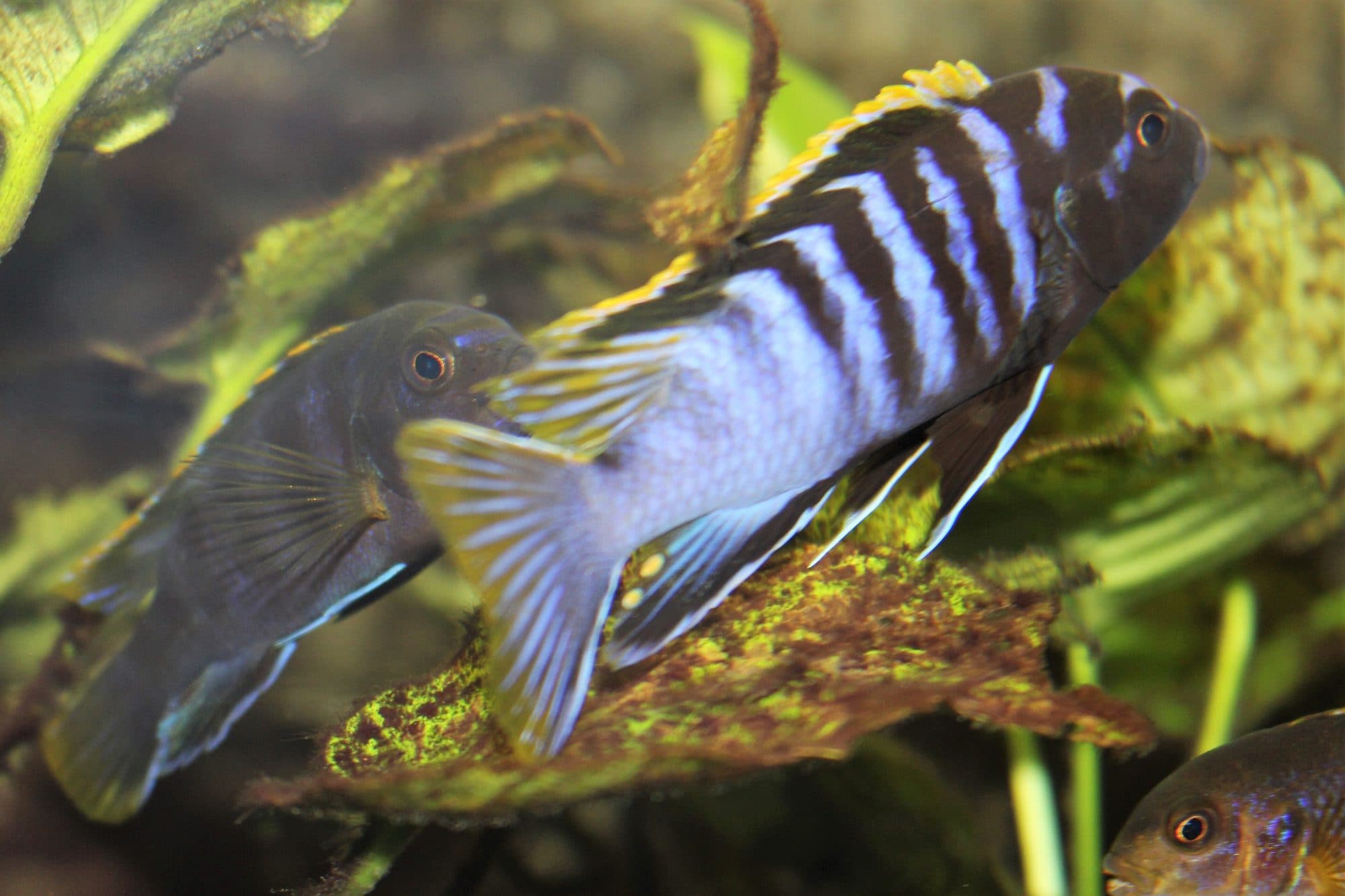
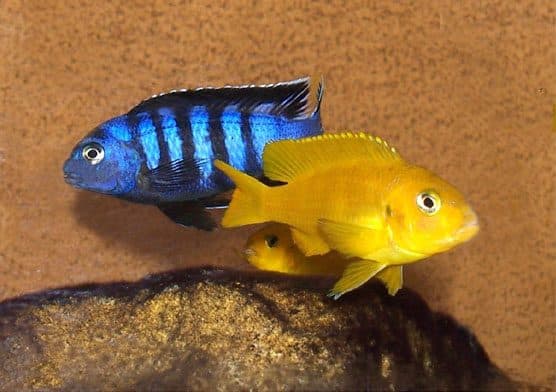
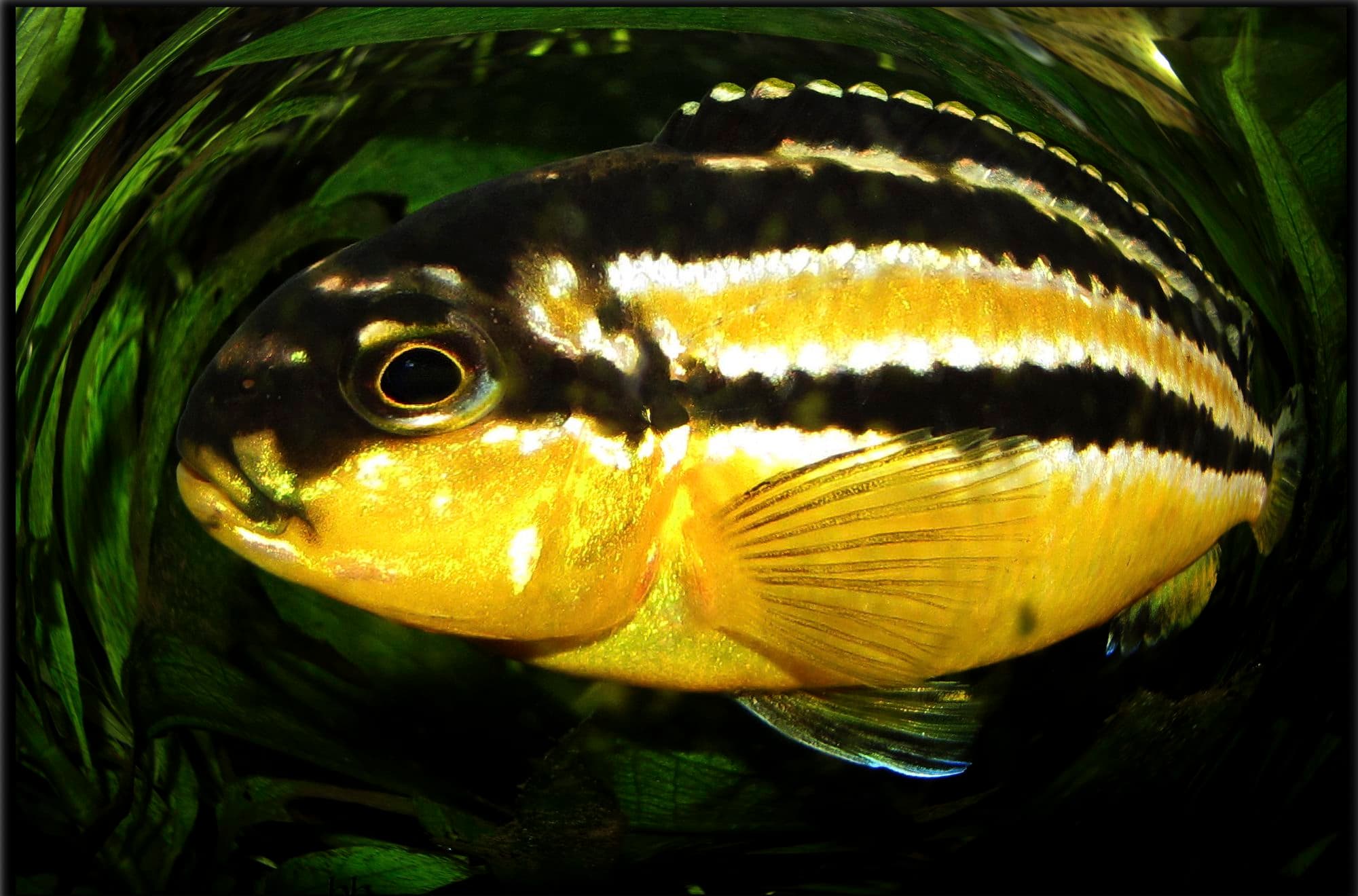
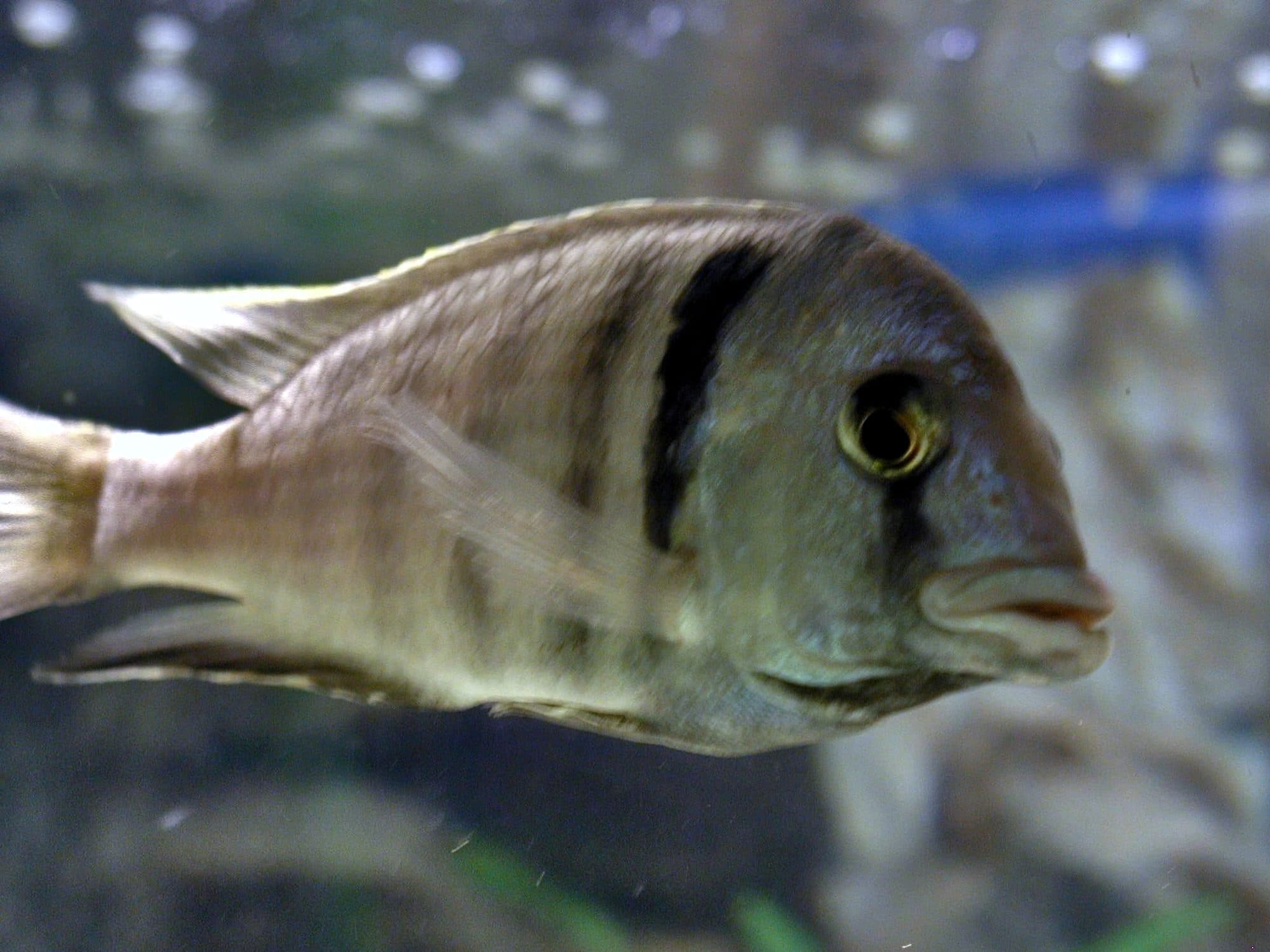
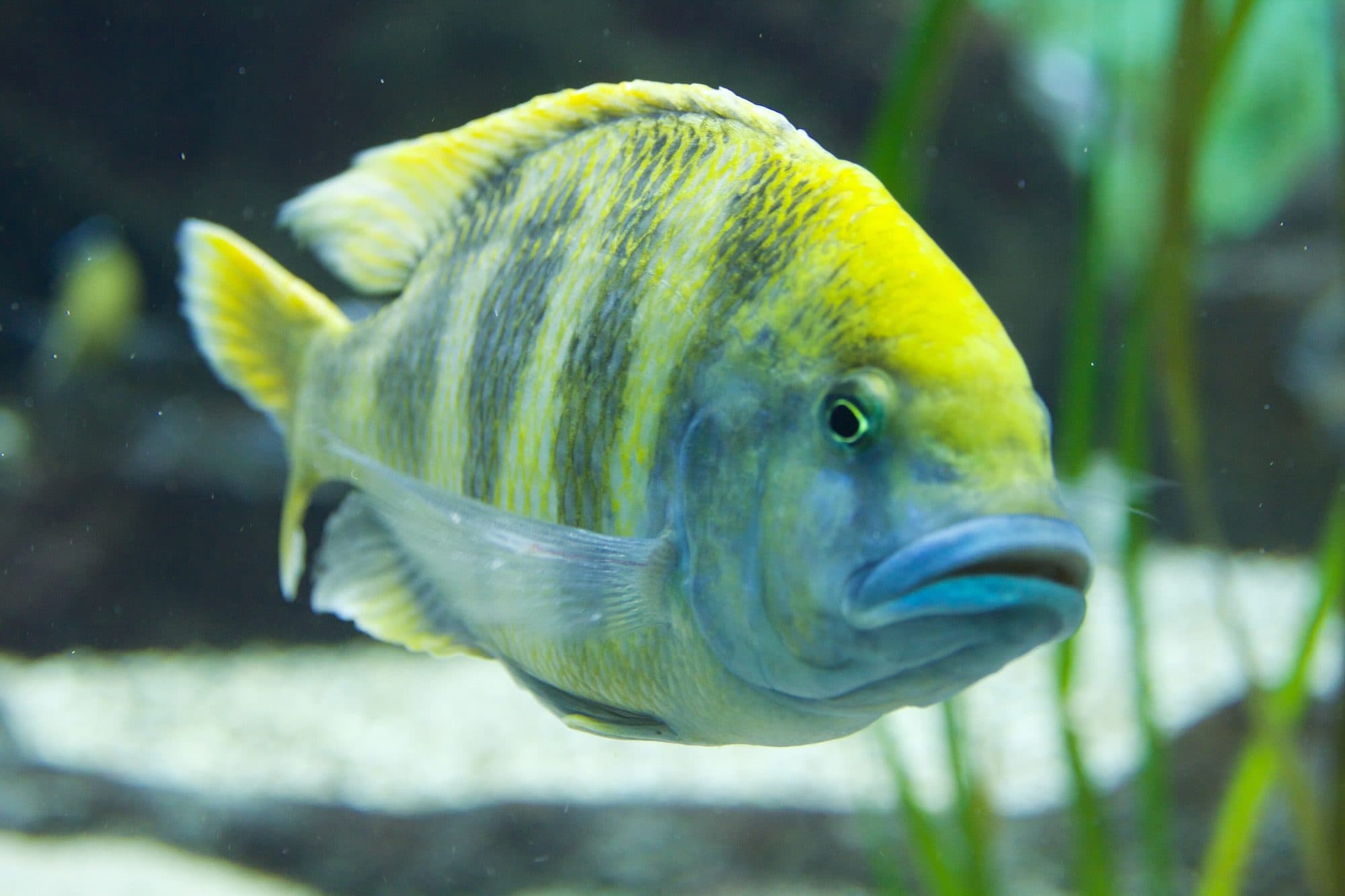
Mbuna (Maylandia, Labidochromis, Chindongo, Melanochromis, Iodotropheus) scrape the film of algae and micro-organisms covering the rocks, the aufwuchs. Males defend a few rocks and many species live in harems. Above them, Copadichromis borleyi shoals in open water; Sciaenochromis fryeri and Nimbochromis venustus hunt small fish.
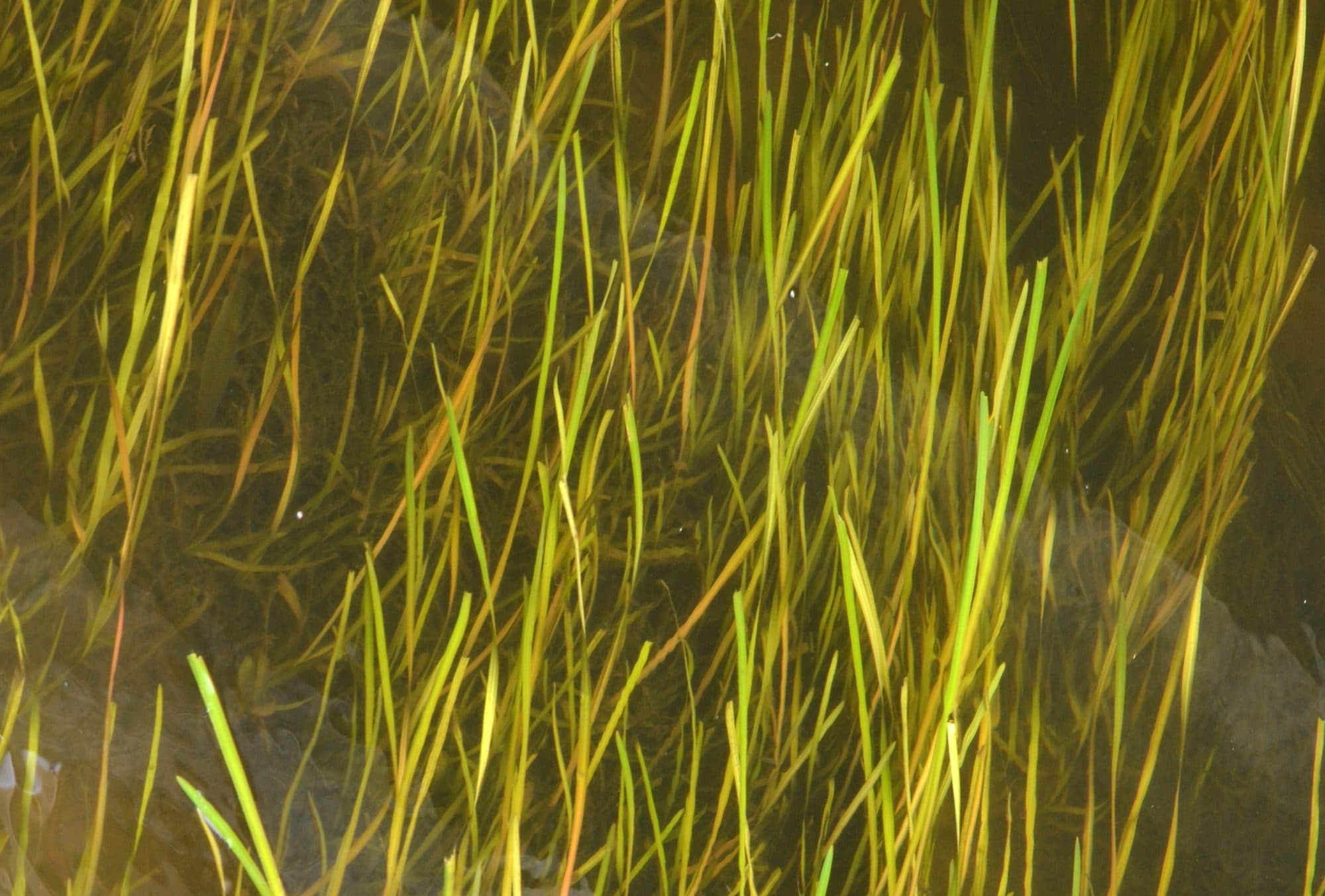
Plants are missing on rocky shores; further out, on calm bottoms, grow beds of Vallisneria, also visited by Labidochromis caeruleus. No invertebrate of the catalogue lives in the lake.
Recreating it in an aquarium
- Stable rock piles set directly on the bottom glass, before the sand, with plenty of caves and nooks to break up territories.
- Alkaline, stable water: pH 7.8 to 8.5, 24 to 27 °C; coral sand or a little bicarbonate helps hold the pH.
- Species of different colours, in harems (one male for three females), to spread aggression and avoid hybrids.
- Plant-based food (spirulina), close to the aufwuchs they graze in the lake.
- Few plants: mbuna eat soft leaves; Vallisneria holds out better.
Example tank
- Volume
- 300 L
- pH
- 8
- GH
- 12°
- Temp.
- 26 °C
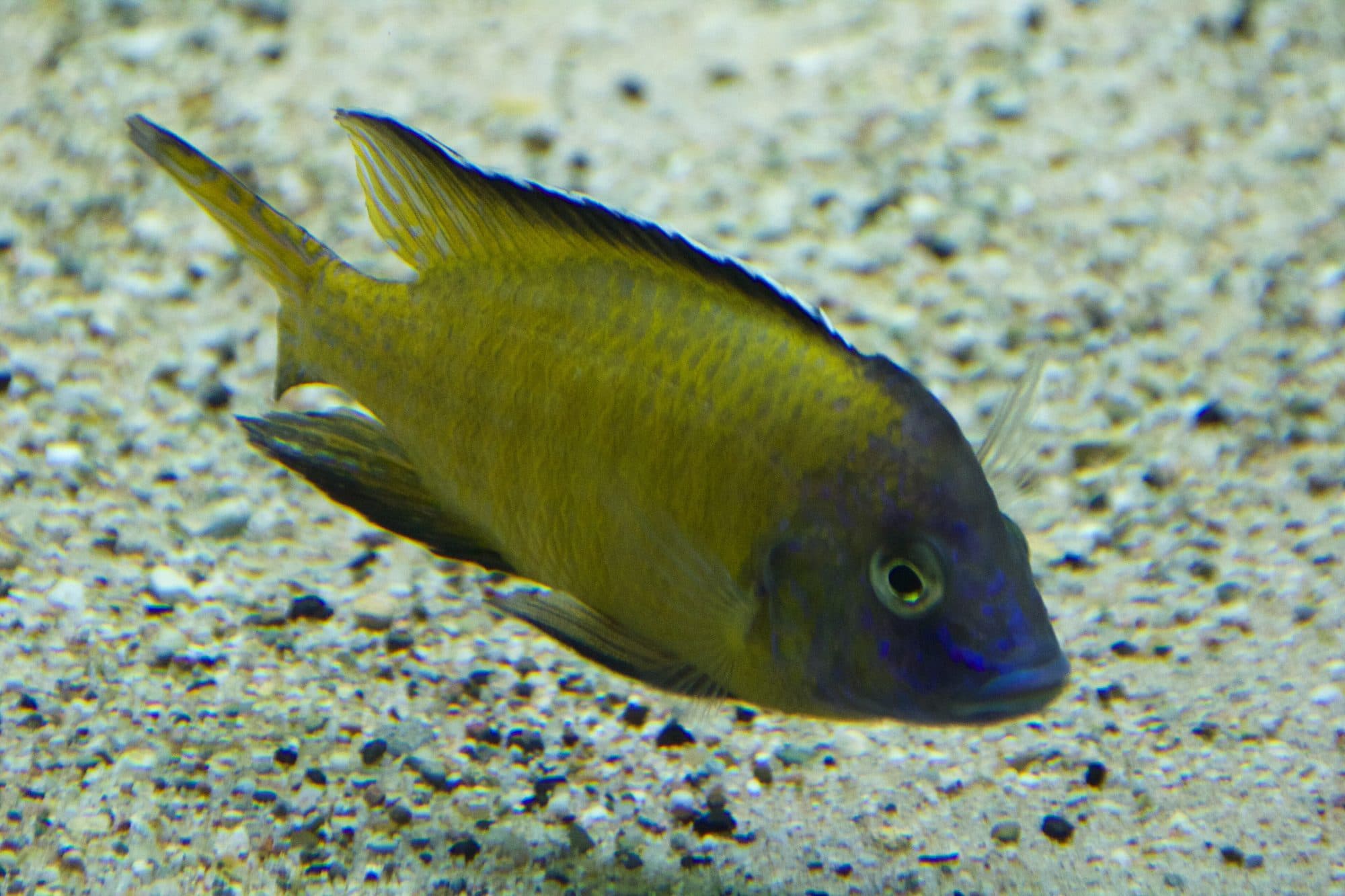
- 8 × Electric yellow cichlid
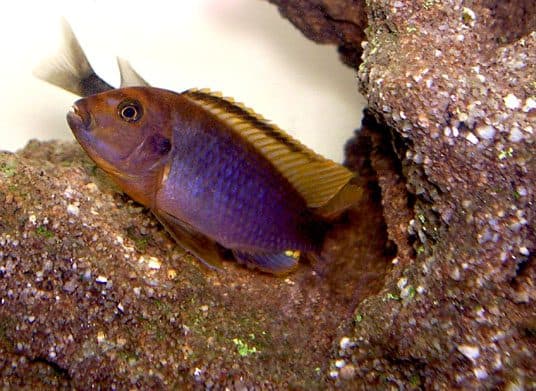
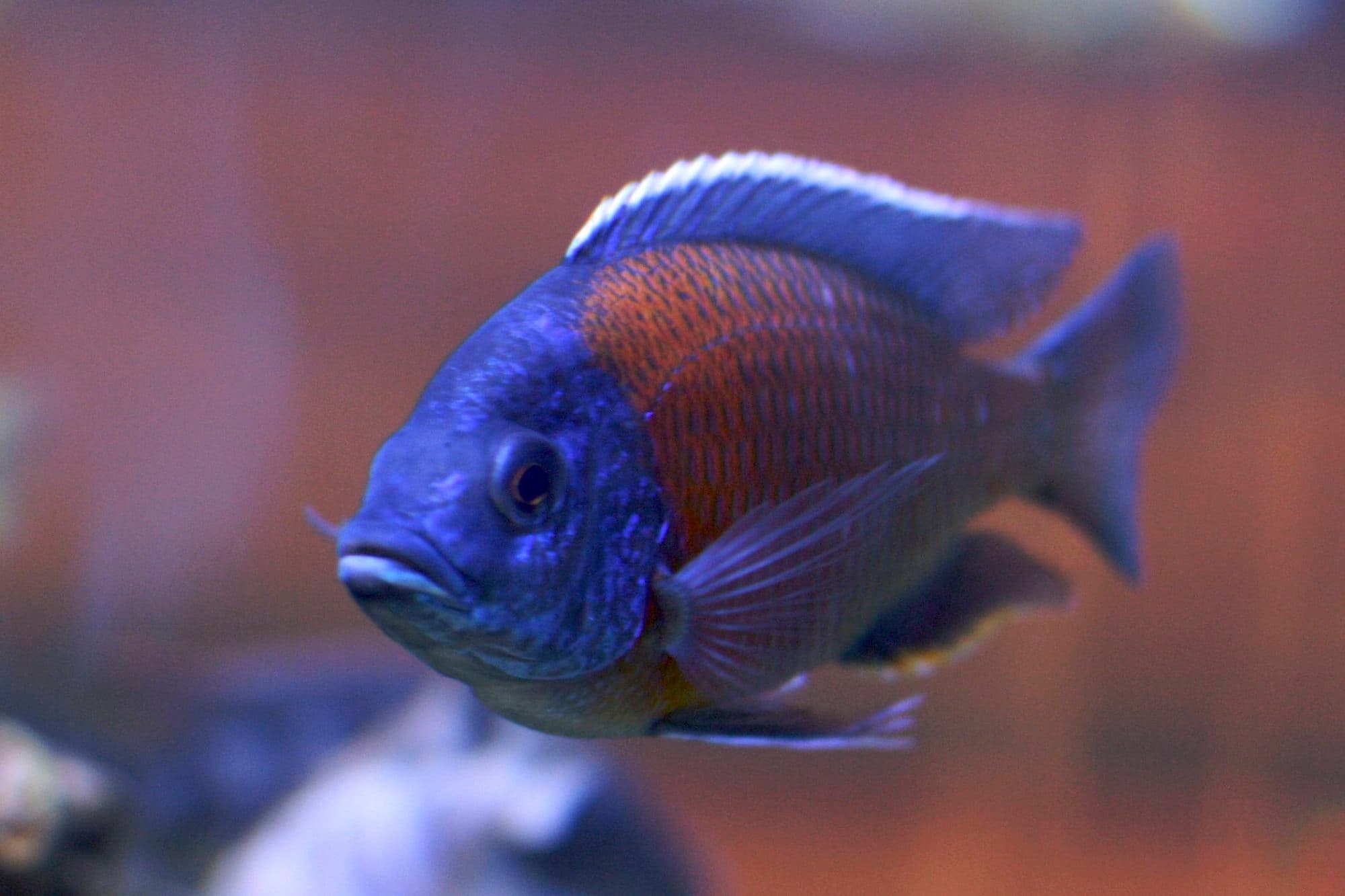
- 8 × Rusty cichlid
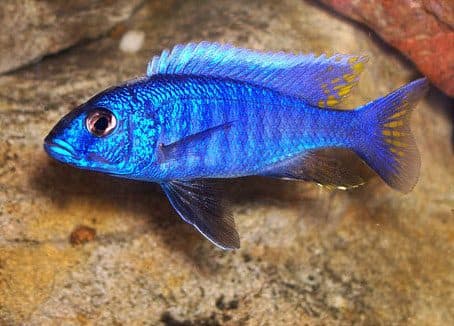
- 8 × Saulosi cichlid
A 300 L tank for three mildly to moderately aggressive mbuna, in groups of eight: yellow Labidochromis, rusty cichlid and Chindongo saulosi. The pH of 8 and water harder than the lake's follow their profiles.
Compatible stocking
Water shared by all species
- pH
- 7.7–8.4
- GH
- 10–25°
- Temp.
- 25–27 °C
Good to know
- Biotope tank: every species comes from Africa.
Tanks recreating it
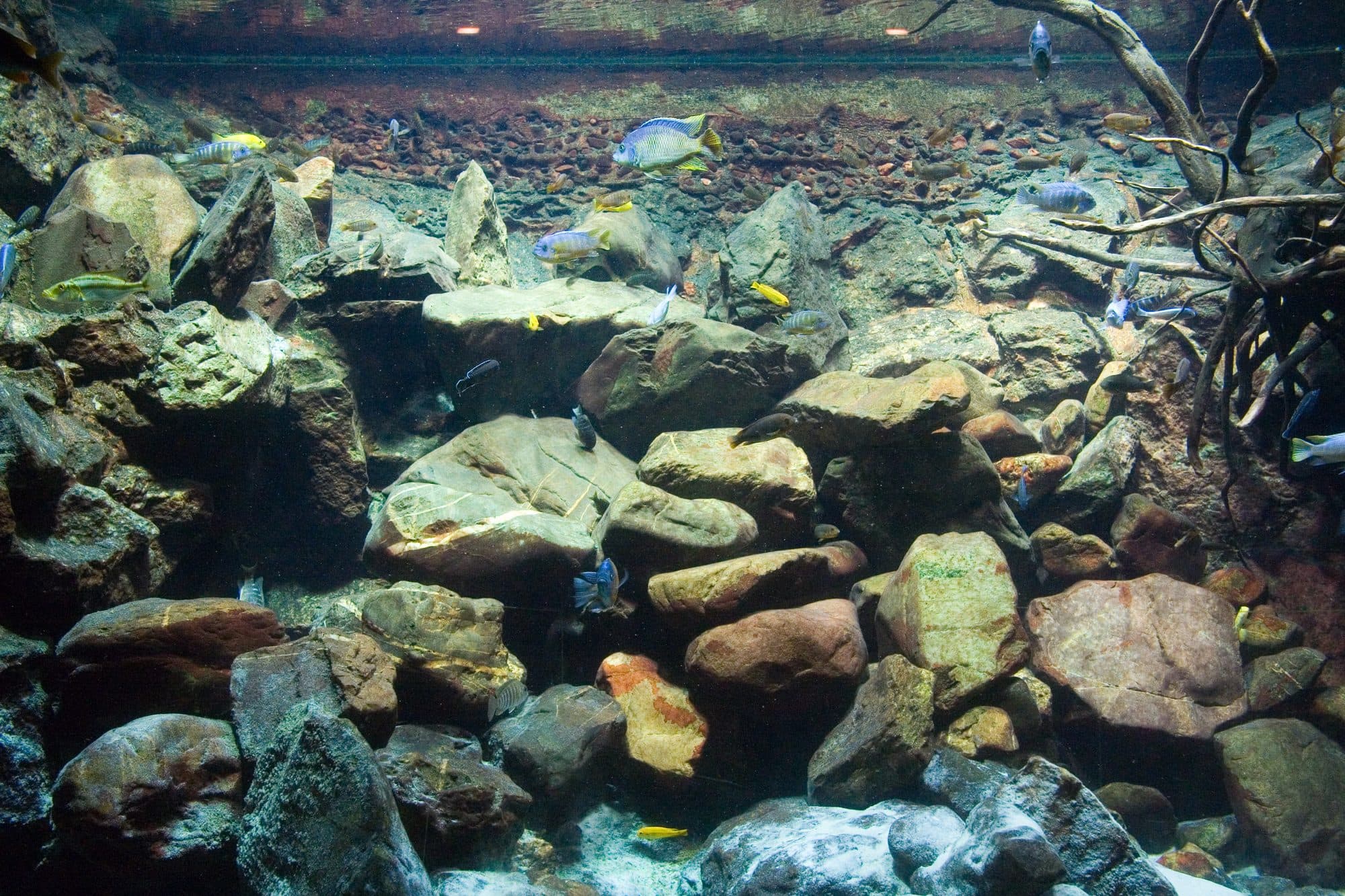
African rift lake cichlid tank at Artis Zoo, Amsterdam: piled rocks and sand.
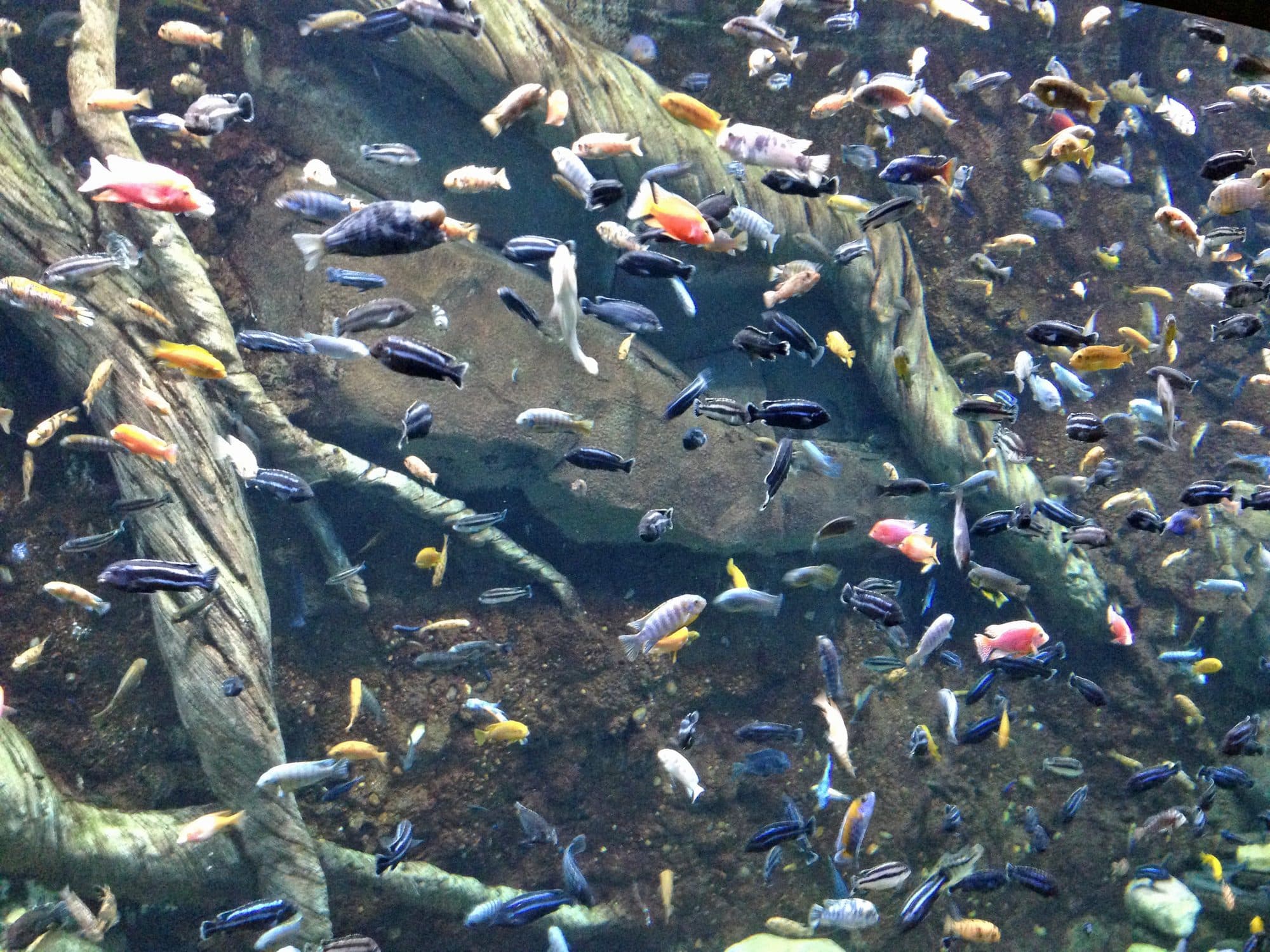
Lake Malawi cichlid tank at the Georgia Aquarium, Atlanta.
Photo: Fredlyfish4, CC BY-SA 3.0, via Wikimedia Commons
Aquarists present their tanks on video, often modelled on one precise site. The videos are hosted by YouTube, and the player only loads when you click.
Biotope Aquarium · YouTube
przemek_bl · YouTube
Sources
Species are listed from their profiles (FishBase, Seriously Fish) or, for plants, from GBIF records in the region; the example tank is checked by the simulator's rules.
- Talling & Talling (1965), The chemical composition of African lake waters. Internationale Revue der gesamten Hydrobiologie 50(3): 421-463, with the Lake Tanganyika pH of Plisnier et al. (1996, LTR Technical Document TD/46), tables reproduced by M. K. Oliver, Malawi Cichlid Homepage
- Seriously Fish: Labidochromis caeruleus
- Seriously Fish: Maylandia zebra