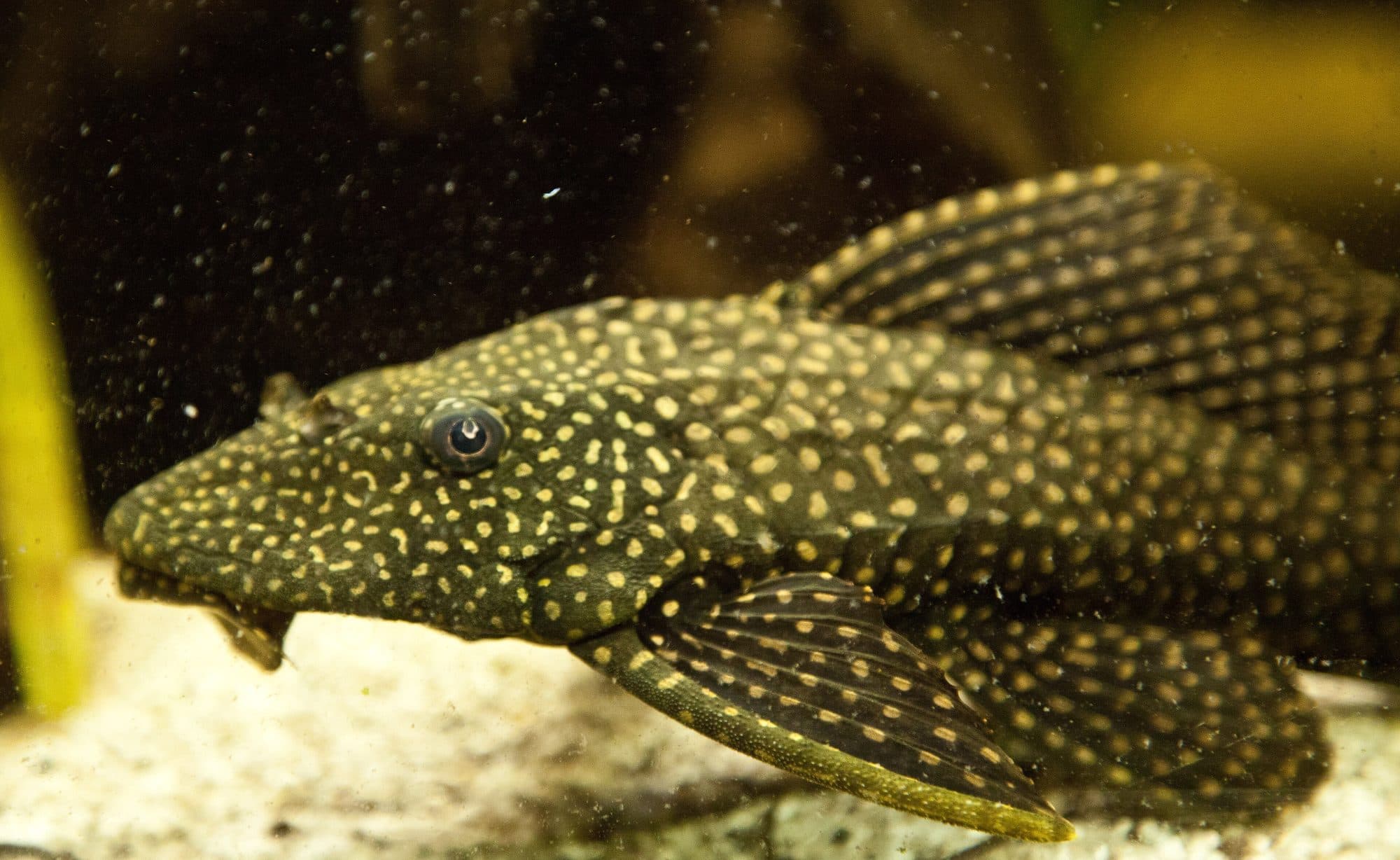
Photo: 5snake5, CC BY-SA 4.0, via Wikimedia Commons
Gold spot pleco
Pterygoplichthys joselimaianus
30 cm
Adult size
500 L
Minimum volume
3
Minimum group
15 years
Lifespan
Water parameters
Understand these values- Genus
- Pterygoplichthys
- Diet
- omnivore
- Social life
- small group
In the wild
Overview
Described in 1991 by the Swiss ichthyologist Claude Weber, Pterygoplichthys joselimaianus is the “L001” pleco, the very first fish in the L-number series created in 1988 by the German magazine DATZ to designate unidentified loricariids. It is also called the “gold spot pleco”.
Its dark body is covered with golden dots, and its tall, sail-like dorsal fin recalls that of the leopard pleco. It reaches about 40 cm without the tail.
- Scientific name
- Pterygoplichthys joselimaianus (Weber, 1991)
- Classification
- Siluriformes › Loricariidae
- IUCN Red List
- Least concern (LC)
Natural habitat
Rio Tocantins basin (Brazil)
Observations (GBIF) and localities Native countries Rivers and lakes
It is endemic to the Rio Tocantins basin, in Brazil.
Like other Pterygoplichthys, it frequents calm, warm water (24 to 29 °C), river arms and flooded areas, where it scrapes algae and biofilm from wood and stones; it can supplement its breathing by gulping air.
Behaviour
Peaceful towards midwater fish, it is territorial with other large bottom-dwellers. Mainly nocturnal, it hides by day under wood or in caves.
A herbivore and algae grazer, in the aquarium it receives vegetables, plant-based tablets and a little animal food. Its adult size, longevity and heavy waste production call for a large, well-filtered tank.